 English
 Español
 Deutsch
-
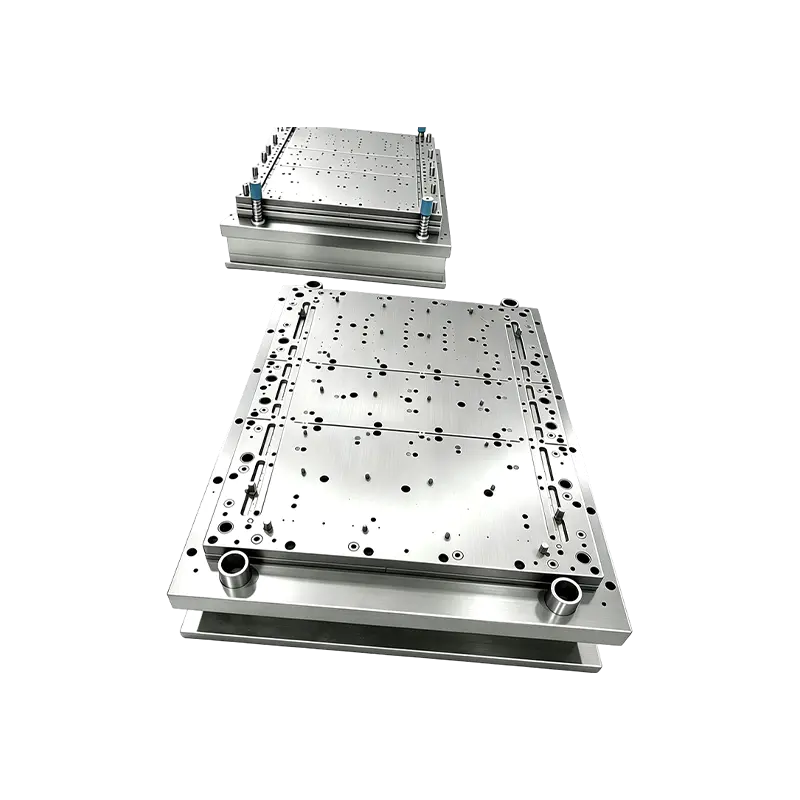
Progressive Stamping Die for Connector & Terminal Parts High Speed Progressive Stamping Die Precision Metal Hardware Stamping Tool mold for Connector Terminal Parts Automotive Components
Progressive Stamping Die for Connector & Termi...
-
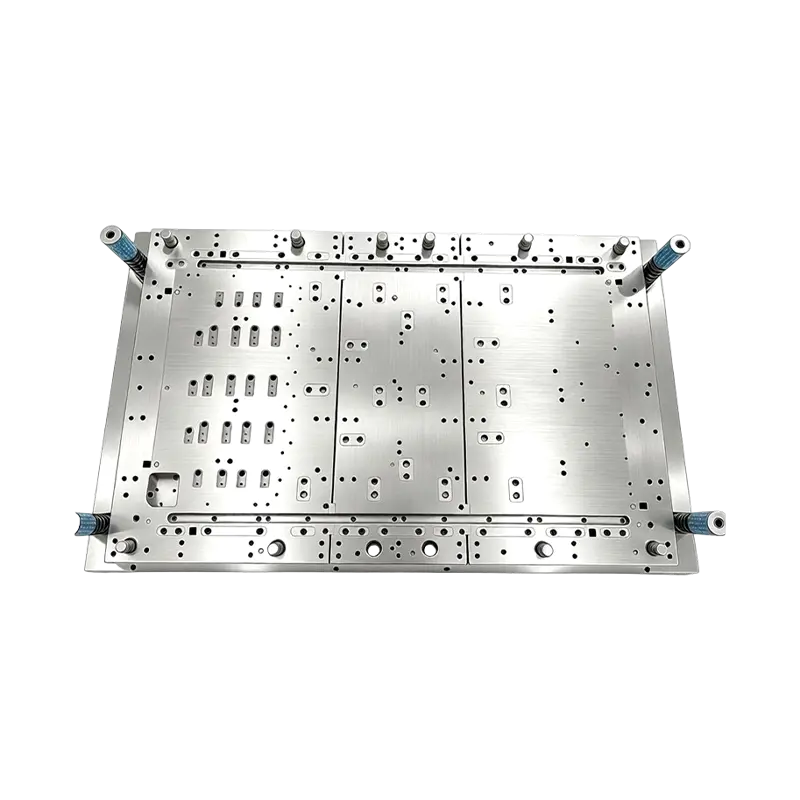
Multi-Station Progressive Stamping Die with Carbide Inserts Custom Multi Station Progressive Stamping Die Carbide Insert Metal Stamping Mold Tool for Equipment Appliances Device Hardware
High Speed Metal Stamping Tool for Precise Equipme...
-
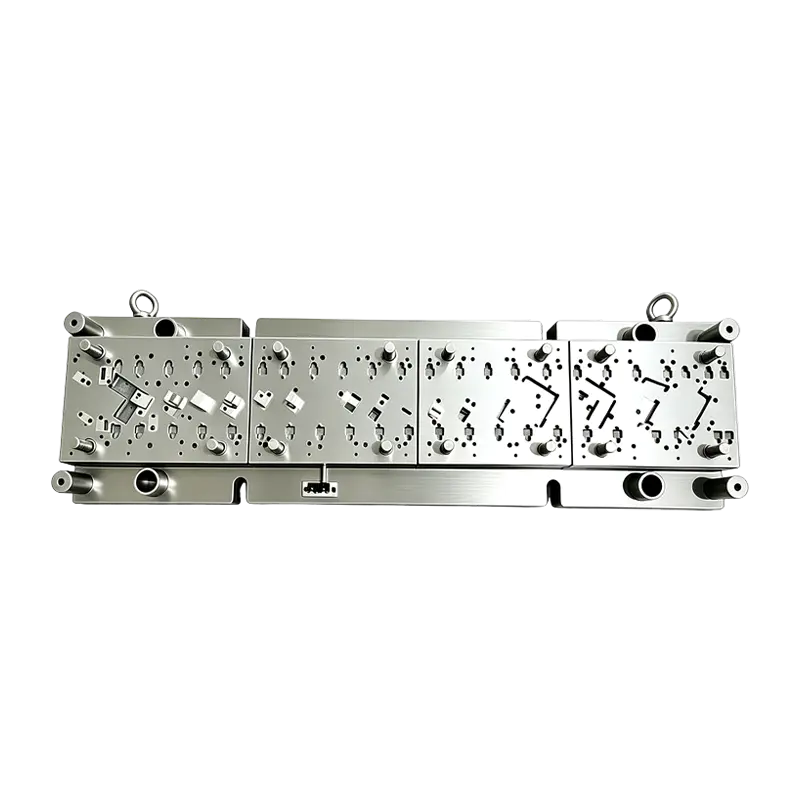
High Speed Progressive Stamping Die Sheet Metal Follow on Press Tool
Multi-operation Metal Stamping Tool for Continuous...
-
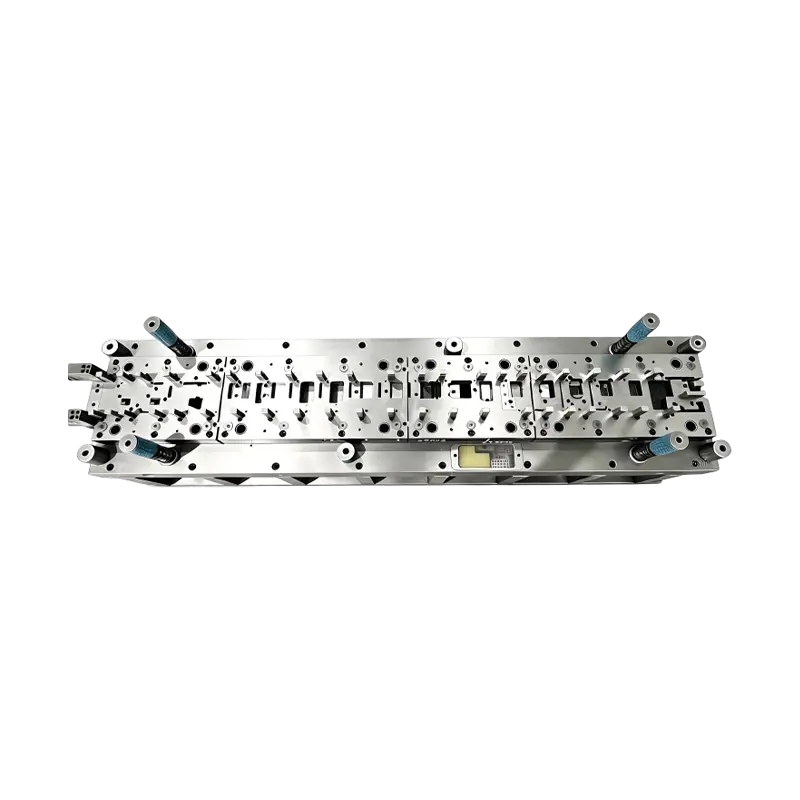
Long-Stroke Multi-Stage Progressive Die Automatic Strip Feed Progressive Die Long Travel Follow on Stamping Tool for Sheet Metal Hardware Press Moulding
Long-Stroke Multi-Stage Progressive DieOur custom ...
-
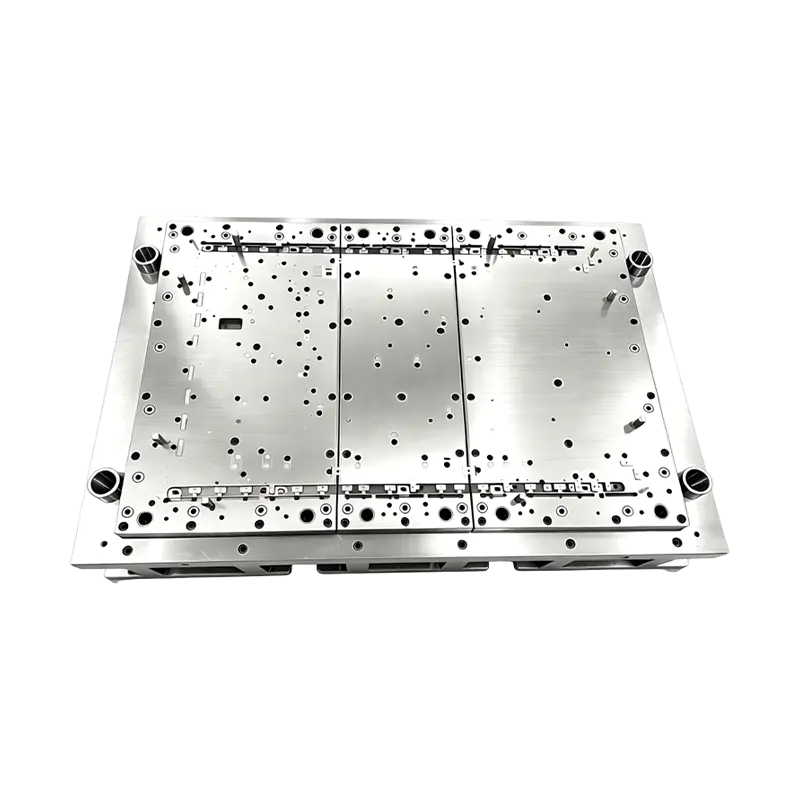
High Precision Stamping Die Multi Station Hardware Progressive Mold Tooling
Precision Metal Stamping Tool for Automotive &...
- E-mail us: [email protected]
- Call us: +86-139 1308 8972

Industry News
Precision Metal Components: Design, Materials & Applications
2026-07-09
Content
- 1 The Critical Role of Precision in Modern Manufacturing
- 2 Material Selection for Durability and Performance
- 3 Stamping Processes: Achieving Dimensional Accuracy
- 4 Quality Control Standards for Long Service Life
- 5 Applications Across Major Home Appliances
- 6 Conclusion: Investing in Precision for Reliability
The Critical Role of Precision in Modern Manufacturing
Precision metal components are the unsung heroes of modern home appliances, providing the structural integrity and functional reliability required for devices that operate daily for over a decade. These parts are not merely accessories; they are engineered solutions that ensure motors stay fixed, bodies remain supported, and electrical connections stay secure under varying thermal and mechanical stresses.
In the context of refrigerators, washing machines, and air conditioners, the difference between a standard part and a precision-engineered one often determines the product's lifespan. A deviation of even 0.1mm in dimensional accuracy can lead to assembly inefficiencies, increased noise levels, or premature failure of moving parts. Therefore, the manufacturing process prioritizes strict tolerance controls and material consistency above all else.
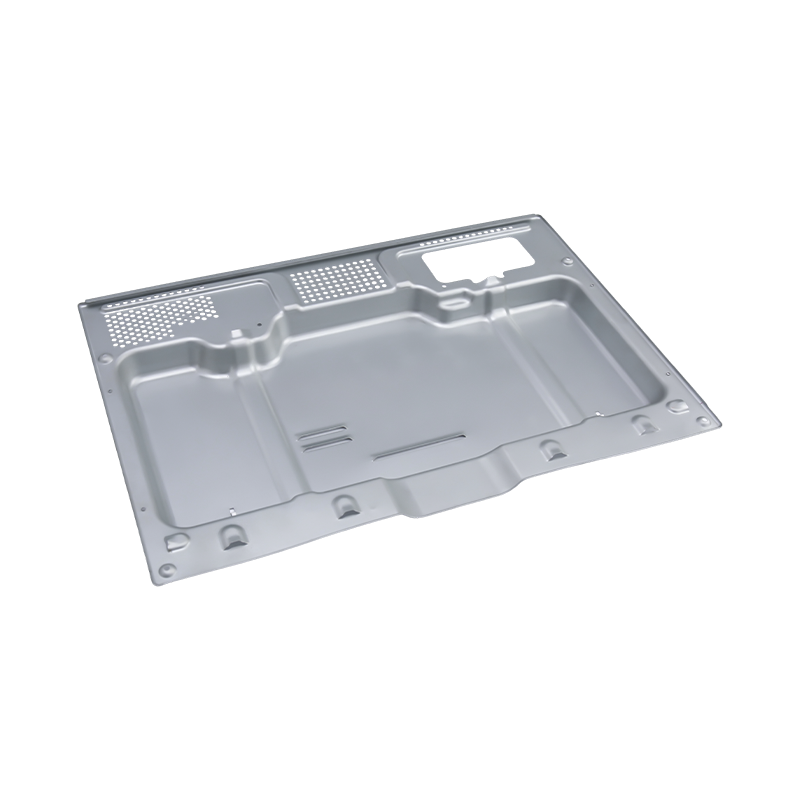
Material Selection for Durability and Performance
The choice of material is the first critical step in designing precision metal components. Each material offers distinct advantages regarding cost, weight, corrosion resistance, and strength. The three most common materials used in home appliance stamping are stainless steel, galvanized sheet, and aluminum alloy.
Stainless Steel: The Corrosion Resistance Leader
Stainless steel is preferred for components exposed to moisture or harsh cleaning agents, such as interior brackets in washing machines or exterior trim in kitchen appliances. Its inherent resistance to rust ensures that the aesthetic and structural qualities remain intact over time. Grades like 304 and 430 stainless steel are commonly used due to their balance of formability and corrosion resistance.
Galvanized Sheet: Cost-Effective Protection
For internal structures like chassis and motor mounts, galvanized sheet provides an economical solution. The zinc coating acts as a sacrificial layer, protecting the underlying steel from oxidation. This material is widely used in air conditioner housings and refrigerator backs where direct consumer contact is minimal but long-term durability is essential.
Aluminum Alloy: Lightweight Strength
Aluminum alloys are chosen when weight reduction is a priority without compromising strength. They offer excellent thermal conductivity, making them ideal for heat sinks in microwave ovens and high-performance computing components within smart appliances. Additionally, aluminum is naturally resistant to corrosion and is highly recyclable.
| Material | Key Advantage | Common Application | Cost Level |
|---|---|---|---|
| Stainless Steel | High Corrosion Resistance | Washing Machine Drums, Kitchen Trim | High |
| Galvanized Sheet | Cost-Effective Durability | AC Chassis, Refrigerator Backs | Low-Medium |
| Aluminum Alloy | Lightweight & Thermal Conductivity | Heat Sinks, Microwave Interiors | Medium-High |
Stamping Processes: Achieving Dimensional Accuracy
The manufacturing of precision metal components relies heavily on advanced stamping techniques. Stamping is a cold-forming process that uses dies and presses to cut, bend, and press metal sheets into desired shapes. The precision of this process is what allows for the high-volume production of consistent parts.
Cutting and Blanking
The initial stage involves cutting the metal sheet into specific blanks. High-precision laser cutting or progressive die stamping ensures that each blank has exact dimensions. This step is crucial because any error here propagates through subsequent bending and forming stages. Tolerances are typically maintained within ±0.05mm for critical features.
Bending and Forming
Once cut, the blanks undergo bending to create three-dimensional structures like brackets and chassis. Computer Numerical Control (CNC) press brakes are used to achieve precise bend angles and radii. The spring-back effect of metal is carefully calculated and compensated for in the die design to ensure the final part meets the required geometry.
Pressing and Deep Drawing
For components that require complex curves or deep cavities, such as certain housing elements, deep drawing processes are employed. This technique stretches the metal into shape without thinning it excessively, maintaining structural integrity. Lubrication and controlled pressure are vital to prevent tearing or wrinkling during this phase.
Quality Control Standards for Long Service Life
Producing precision metal components is only half the battle; ensuring they meet rigorous quality standards is equally important. Home appliances are expected to last 10-15 years, so every component must withstand continuous use, vibration, and environmental changes.
- Flatness Checks: Parts like chassis bases must be perfectly flat to ensure proper assembly and stability. Deviations can cause wobbling or misalignment of internal components.
- Corrosion Resistance Testing: Salt spray tests are conducted to verify the effectiveness of coatings on galvanized and stainless steel parts. Components must pass 500+ hours of salt spray exposure without significant rust formation.
- Dimensional Inspection: Coordinate Measuring Machines (CMM) are used to verify that every critical dimension falls within specified tolerances. This ensures interchangeability and ease of assembly on production lines.
- Burr and Edge Quality: Sharp edges or burrs can pose safety risks and interfere with assembly. Automated deburring processes ensure smooth, safe edges on all stamped parts.
Applications Across Major Home Appliances
Precision metal components are ubiquitous in modern households. Their applications vary based on the specific functional requirements of each appliance type.
Refrigerators
In refrigerators, precision stamps are used for door hinges, shelf supports, and internal framing. These parts must resist condensation and maintain structural rigidity to support heavy loads of food items. Stainless steel is often used for visible interior components for both hygiene and aesthetics.
Washing Machines
Washing machines subject components to constant vibration and water exposure. Motor mounting brackets, drum supports, and outer casings are made from high-strength, corrosion-resistant metals. Vibration-dampening designs are integrated into the stamping process to reduce noise during spin cycles.
Air Conditioners
Air conditioners rely on precision metal parts for heat exchanger fins, fan blades, and structural housings. Aluminum alloys are prevalent here due to their thermal properties. The accuracy of fin spacing directly impacts the efficiency of heat transfer, making precision stamping critical for energy performance.
Microwave Ovens
Microwave ovens require components that can withstand high temperatures and electromagnetic fields. Cavity liners, door latches, and waveguide covers are manufactured from specialized stainless steels or coated metals. Precision ensures proper sealing to prevent radiation leakage and maintain cooking efficiency.
Conclusion: Investing in Precision for Reliability
The design and manufacture of precision metal components are fundamental to the success of home appliances. By selecting appropriate materials like stainless steel, galvanized sheet, or aluminum alloy, and employing rigorous stamping processes, manufacturers can produce parts that offer high dimensional accuracy, stable performance, and low production costs.
These components directly influence assembly efficiency, product durability, and user satisfaction. As appliances become more complex and energy-efficient, the demand for ever-more-precise metal parts will continue to grow. Prioritizing quality control and innovative design in stamping processes ensures that home appliances remain reliable companions in daily life for years to come.
Previous Post
Types of Stamping Dies: Progressive, Transfer & Deep Drawing Guide
Next Post
How to Choose High-Quality Progressive Molds?
Our Products.
Start Your Business with an OEM Manufacturer Right Here!

Provide global customers with complete turn-key solutions
through
innovation!
QUICK LINKS
CONTACT INFO.
-
 +86-139 1308 8972
 -

-
 No. 118 Yexin Road, Wujiang Economic Development Zone, Suzhou, China
Copyright © Suzhou Shuangqisi Mold Equipment Co., Ltd. All Rights Reserved. Custom Stamping Die Metal Stamping Die Manufacturers
