 English
 Español
 Deutsch
Heavy Stamping: When 2 mm Is Already Too Thin A purchasing engineer once asked why a 6 mm bracket quoted at three different prices within 48 hours. The reason was not labor or ove...
READ MORE- E-mail us: [email protected]
- Call us: +86-139 1308 8972

Product Categories
Metal Stamping Parts Manufacturers
-
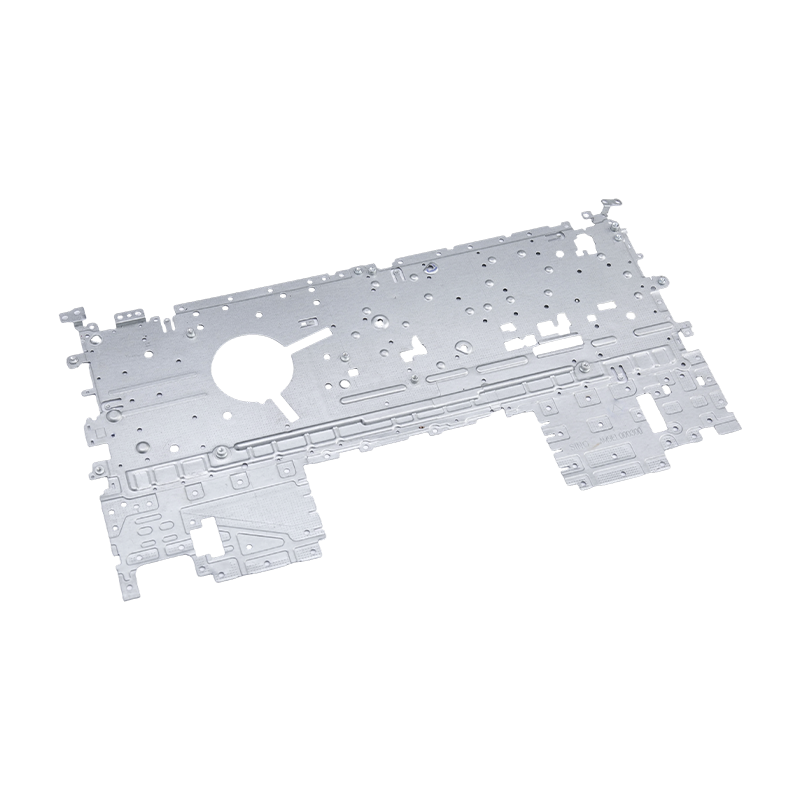 Laptop stamping parts
-
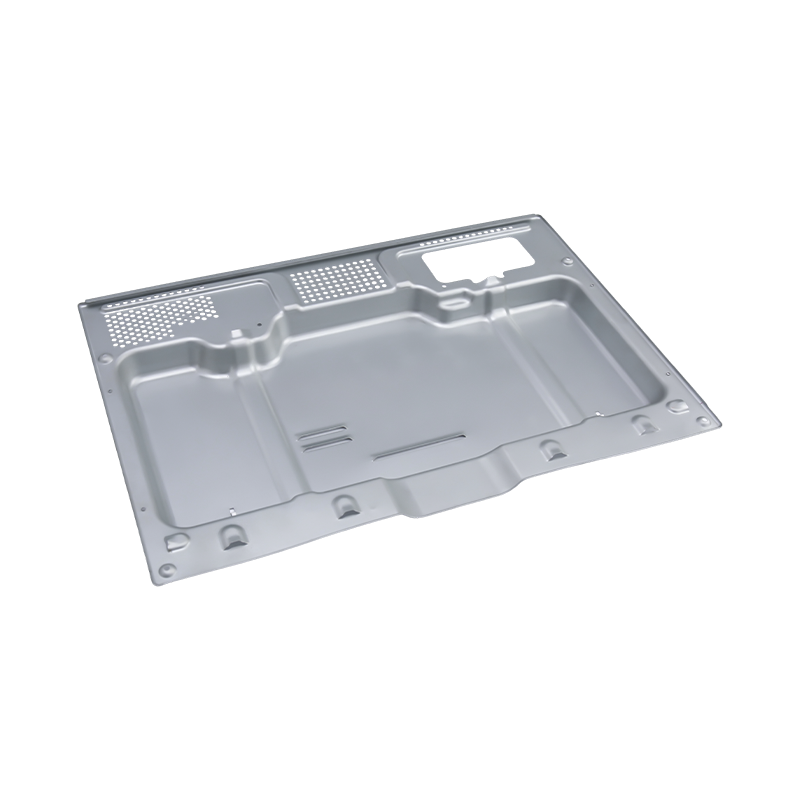 High-end oven stamping parts
-
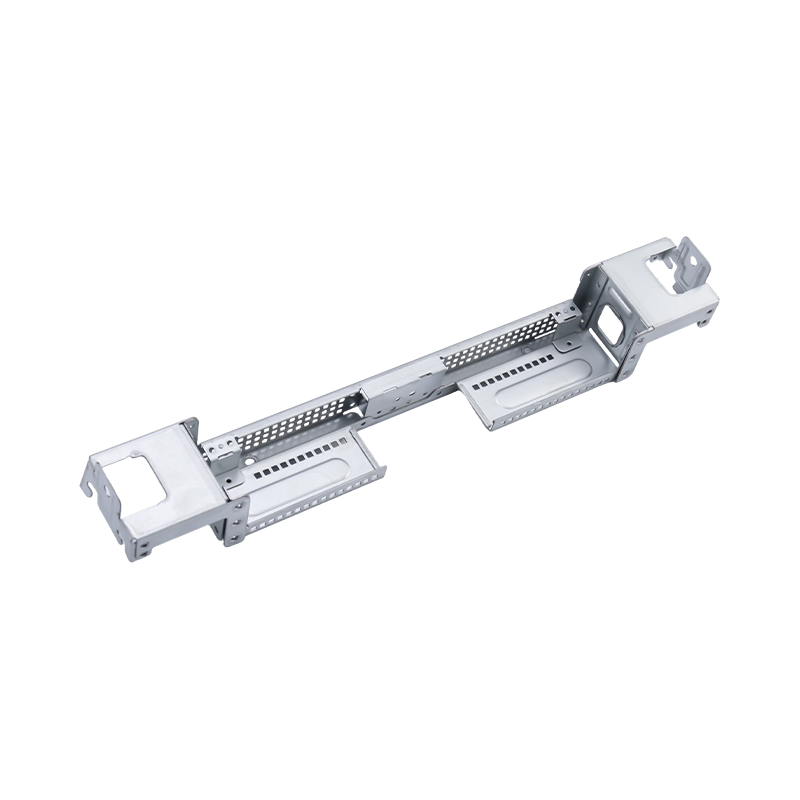 High-end large computer stamping parts
-
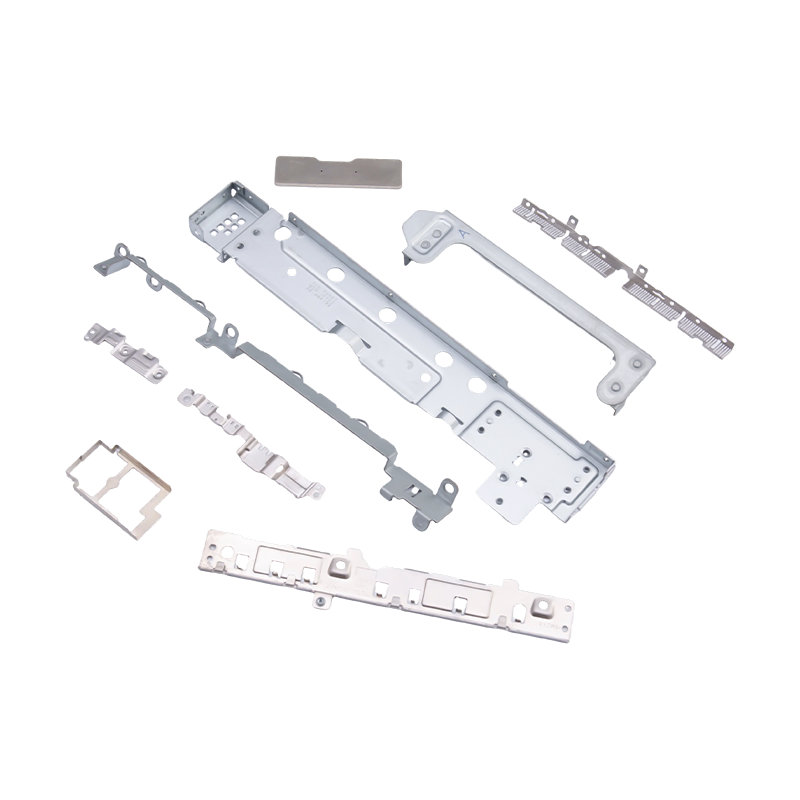 Small stamped parts for laptops and mobile phones
-
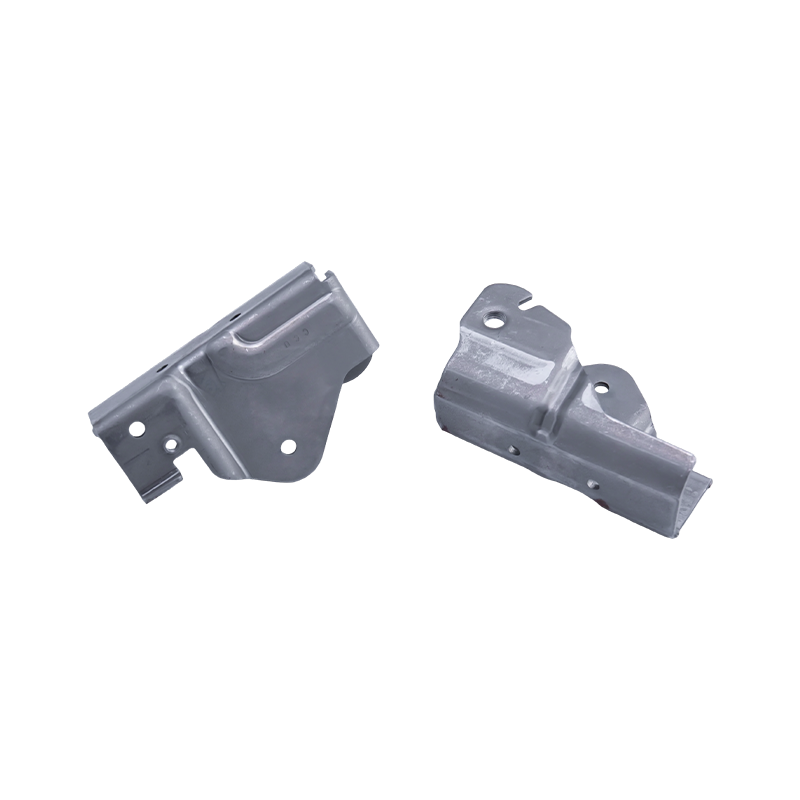 Car seat stamping parts
-
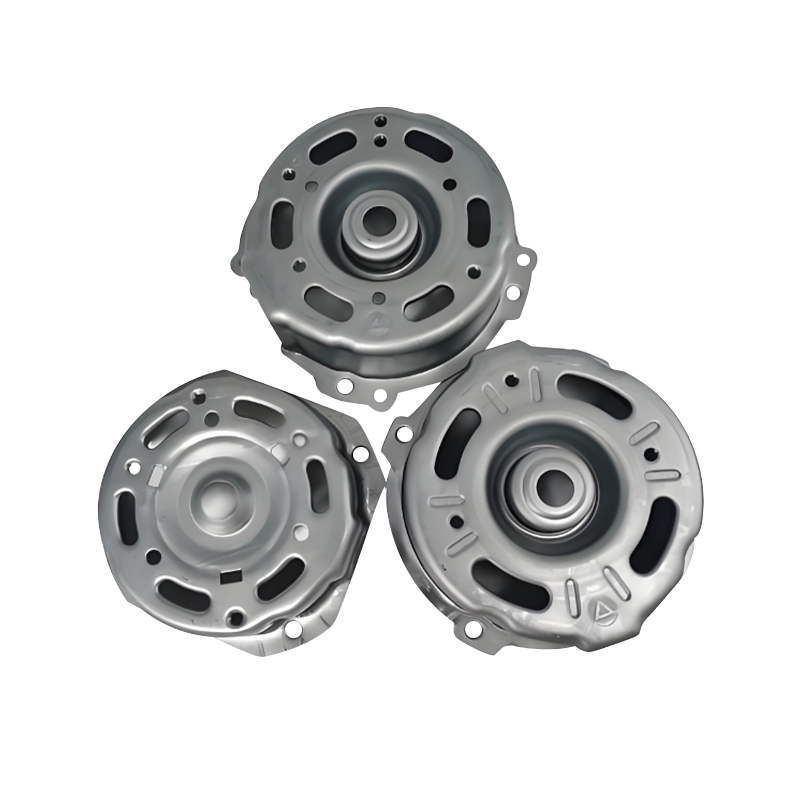 Automotive motor housing stamping parts
-
 Gas tank end stamping parts
-
 Battery cover stamping parts
-
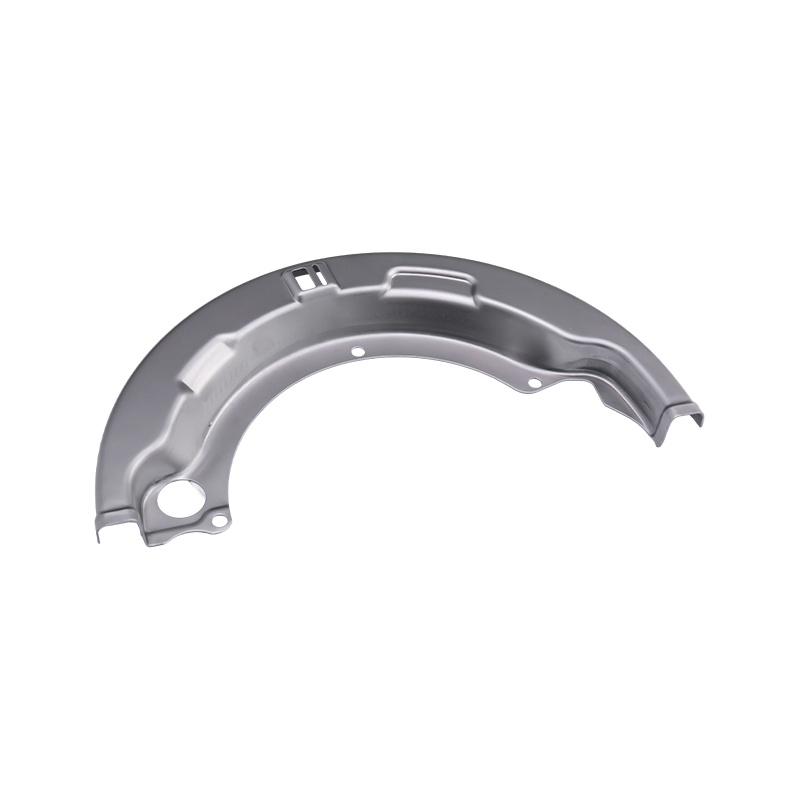 Heavy truck stamping parts
-
 Small automotive parts progressive die stamping parts
-
 New energy vehicle copper busbar stamping parts
Stamping parts are precision-formed metal components made via stamping presses, serving as core building blocks for both home appliances and cars.
In home appliances, they shape key structures: refrigerator door frames, washing machine inner tub brackets, and air conditioner chassis use stamping parts for stable load-bearing and precise fitting, ensuring seamless assembly and long-term operation. For cars, they are critical to safety and performance—brake caliper components, seat brackets, and body panel reinforcements rely on stamping’s high dimensional accuracy to meet strict automotive safety standards.
Manufactured with consistent thickness and tight tolerances, stamping parts reduce assembly gaps, cut production costs, and enhance product durability. Their versatility makes them indispensable for reliable, cost-effective manufacturing in both sectors.
About
Who we are
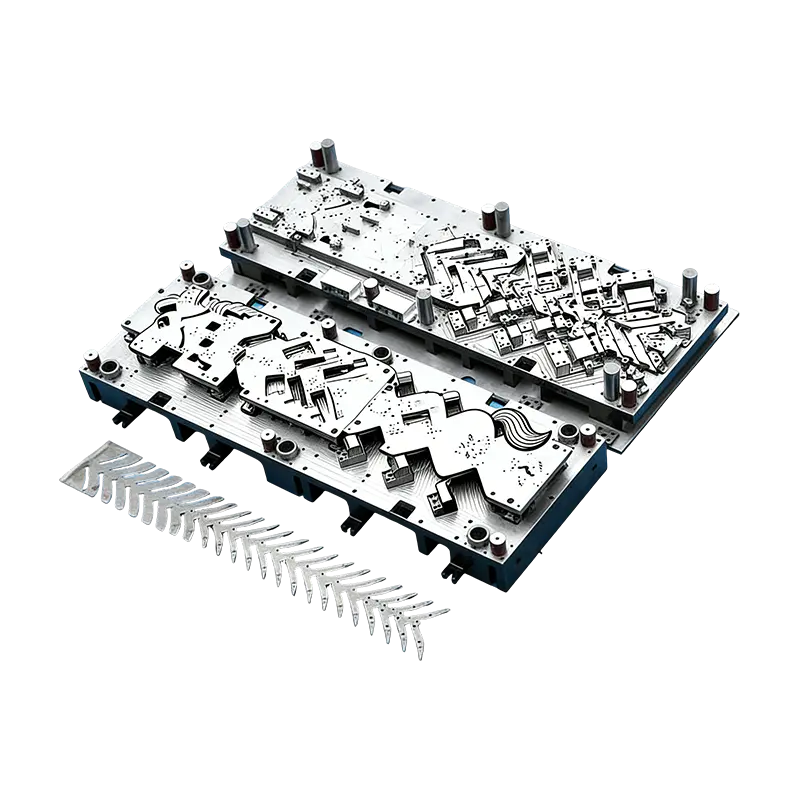
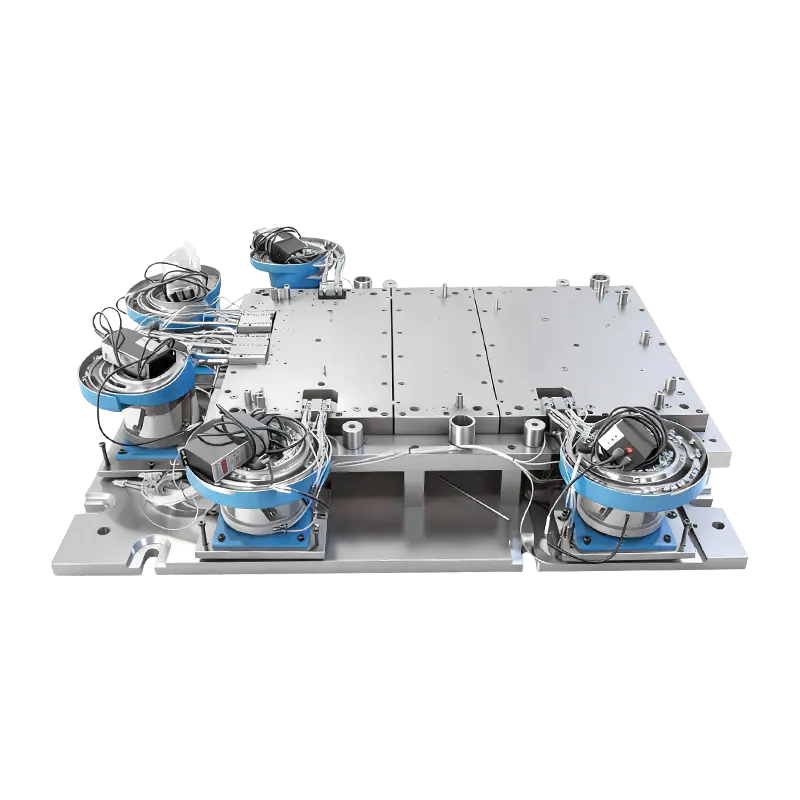
Suzhou Shuangqisi Mold Equipment Co., Ltd., located at No. 118 Yexin Road, Wujiang District, Suzhou City, has 60 technical staff. Through the joint efforts and continuous development of all employees, the company has become a professional manufacturer of stamping dies and hardware parts, Metal Stamping Parts Manufacturers and Metal Drawing Part Products Company in China, offering high-quality products at competitive prices, integrating design, manufacturing, and service. The company possesses imported wire cutting machines, CNC machining centers, over 10 grinding machines of various sizes, and 25 punch presses (80T-400T), among other advanced precision machine tools. Custom Metal Stamping Parts. It has also trained many senior operators and experienced debugging personnel, enabling it to meet the needs of diverse customers. Currently, the company's main clients include Anter Group, Ousheng Electric, Dongbei Group, and Huichuan Technology, primarily supplying molds and products for servo drives, compressors, and new energy vehicles. The company's technical level is among the leading in the industry, with an experienced team that is dedicated to technological advancement. The company focuses on creating value for its customers and adheres to high-quality development. With 15 years of experience in the mold industry, the company has accumulated a large number of technical talents. As early as 2016, it invested in and established Suzhou Keshuang Intelligent Technology Co., Ltd., which mainly produces stamping automation equipment. With many years of experience, it can provide customers with turnkey projects for stamping molds and stamping automation. The company can also invest in related production equipment according to customer needs to create cost-effective products and services for customers.

Message Feedback
Certificate Of Honor
News
-
-
Take a 1.8 mm HSLA 340 seat-bracket. Run it on a 14-station progressive die fed from coil and the piece price typically lands at around 40 percent of what a manual cell of six sin...
READ MORE -
What In-Die Riveting Does Inside a Progressive Die Most stamped assemblies travel through two separate operations: the parts are formed in one die, then carried to a press or a fi...
READ MORE -
If your part is a copper busbar, a leadframe, a connector terminal, or a motor housing, copper progressive stamping is normally the cheapest route at volume — but only when the di...
READ MORE
Industry Knowledge
Dimensional Stability Control in High-Precision Metal Stamping Parts Production
Dimensional consistency is one of the most critical factors in Metal Stamping Parts, especially for components used in servo drives, compressors, and new energy equipment. Variations may originate from material batch differences, die wear, press vibration, or temperature fluctuations during production. Advanced manufacturers often implement statistical process control (SPC), in-die sensors, and periodic calibration to maintain tight tolerances throughout long production runs.
With 25 punch presses ranging from 80T to 400T and multiple precision machining systems, we are able to conduct real production simulations during tool debugging to verify dimensional repeatability. Our experienced technicians also monitor forming conditions and adjust parameters to ensure that customers receive stable, high-quality Metal Stamping Parts suitable for mass production environments.
- Implement in-process measurement to detect deviations early
- Control material thickness variation through supplier management
- Maintain consistent press tonnage and speed parameters
- Perform regular die maintenance and calibration
Wall Thickness Distribution Optimization in Metal Drawing Part Products
Metal Drawing Part Products often face challenges related to uneven wall thickness, particularly in deep or complex geometries. Excessive thinning can reduce mechanical strength, while thickening may lead to wrinkles or assembly interference. Engineers typically adjust punch radii, blank holder force, and lubrication conditions to achieve balanced material flow and uniform thickness distribution.
Our 15 years of mold development experience has shown that simulation combined with real press testing significantly improves thickness control accuracy. By leveraging advanced CNC machining centers and precision grinding equipment, we ensure smooth die radii transitions that help reduce localized thinning during forming operations.
| Influencing Factor | Effect on Thickness | Optimization Approach |
| Punch Radius | Localized thinning | Increase radius smoothly |
| Binder Force | Wrinkle or thickening | Balanced pressure control |
| Lubrication | Friction-related thinning | High-performance lubricant |
Surface Defect Prevention in Decorative and Functional Metal Stamping Parts
Surface defects such as scratches, dents, or material galling can significantly impact both appearance and functionality of Metal Stamping Parts. Preventive measures include optimizing die surface roughness, applying protective coatings, and improving material handling systems. Automated transfer systems are particularly effective in reducing manual handling damage during high-volume production.
Through our investment in stamping automation equipment via our affiliated intelligent technology company, we are able to provide integrated solutions that combine molds, automation, and production lines. This approach minimizes human interference and improves product consistency, especially for customers requiring high cosmetic standards.
- Polish forming surfaces to reduce friction marks
- Use protective film or automated handling systems
- Apply anti-galling coatings in high-pressure zones
- Improve lubrication and cleaning processes
Cost Efficiency Improvement Through Integrated Production of Metal Drawing Part Products
Cost optimization for Metal Drawing Part Products is not limited to material selection or tooling expenses; it also depends heavily on production integration and process planning. Combining die manufacturing, automation equipment, and production line design into a unified solution can significantly reduce lead times and operational costs. Turnkey project models are increasingly preferred by manufacturers seeking rapid market entry and stable production performance.
With strong technical capabilities, advanced equipment resources, and the flexibility to invest in related production equipment according to customer requirements, we focus on creating cost-effective solutions tailored to different industries. Our experience serving clients in automation, compressors, and new energy sectors enables us to support customers in achieving both performance and economic advantages in Metal Stamping Parts and Metal Drawing Part Products manufacturing.
Start Your Business with an OEM Manufacturer Right Here!

Provide global customers with complete turn-key solutions
through
innovation!
QUICK LINKS
CONTACT INFO.
-
 +86-139 1308 8972
 -

-
 No. 118 Yexin Road, Wujiang Economic Development Zone, Suzhou, China
Copyright © Suzhou Shuangqisi Mold Equipment Co., Ltd. All Rights Reserved. Custom Metal Drawing Part Products Company
