 English
 Español
 Deutsch
-
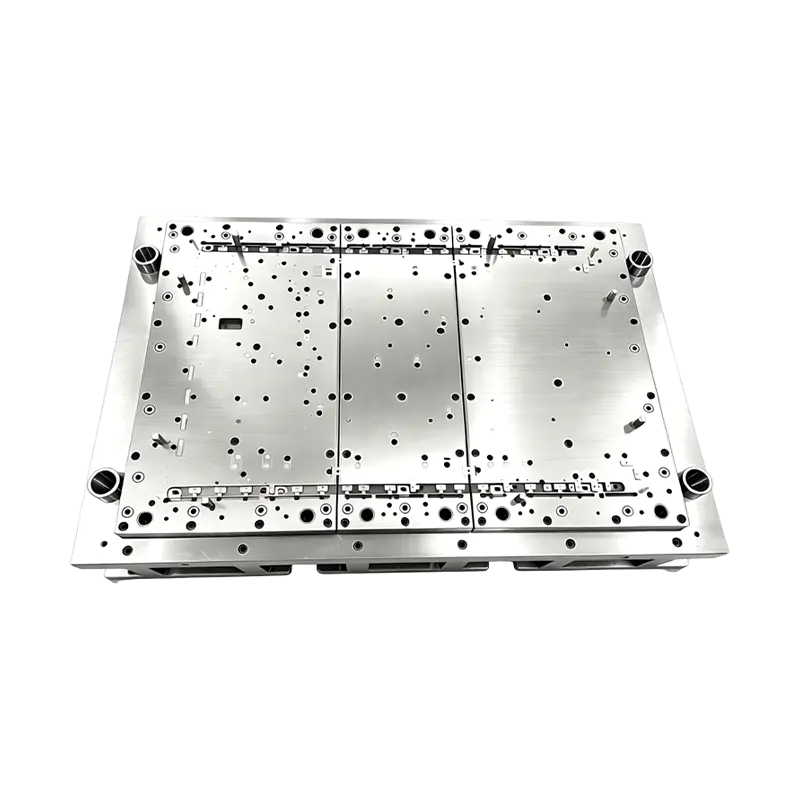
High Precision Stamping Die Multi Station Hardware Progressive Mold Tooling
Precision Metal Stamping Tool for Automotive &...
-
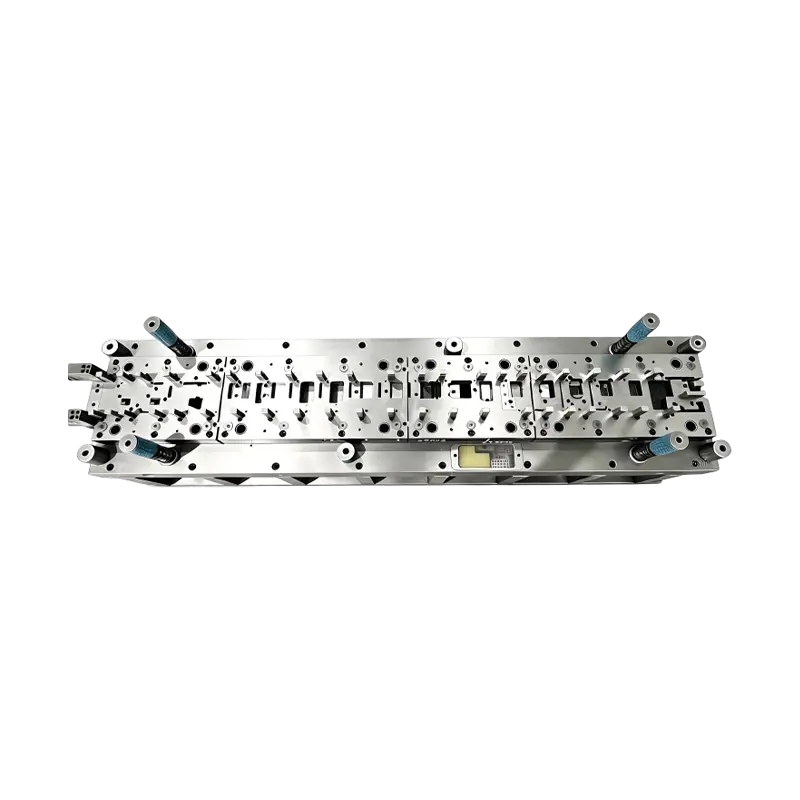
Long-Stroke Multi-Stage Progressive Die Automatic Strip Feed Progressive Die Long Travel Follow on Stamping Tool for Sheet Metal Hardware Press Moulding
Long-Stroke Multi-Stage Progressive DieOur custom ...
-
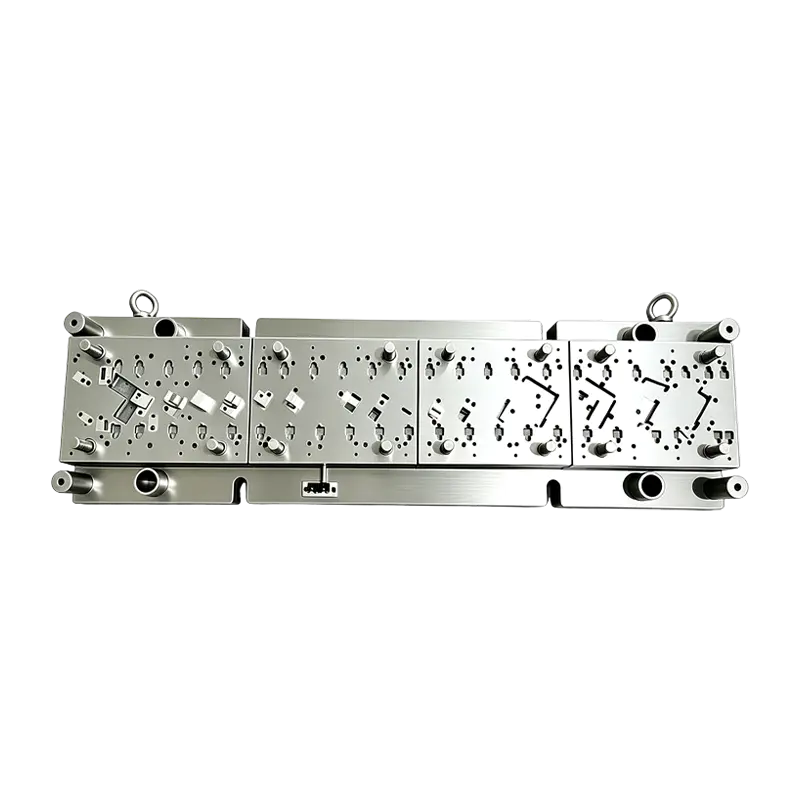
High Speed Progressive Stamping Die Sheet Metal Follow on Press Tool
Multi-operation Metal Stamping Tool for Continuous...
-
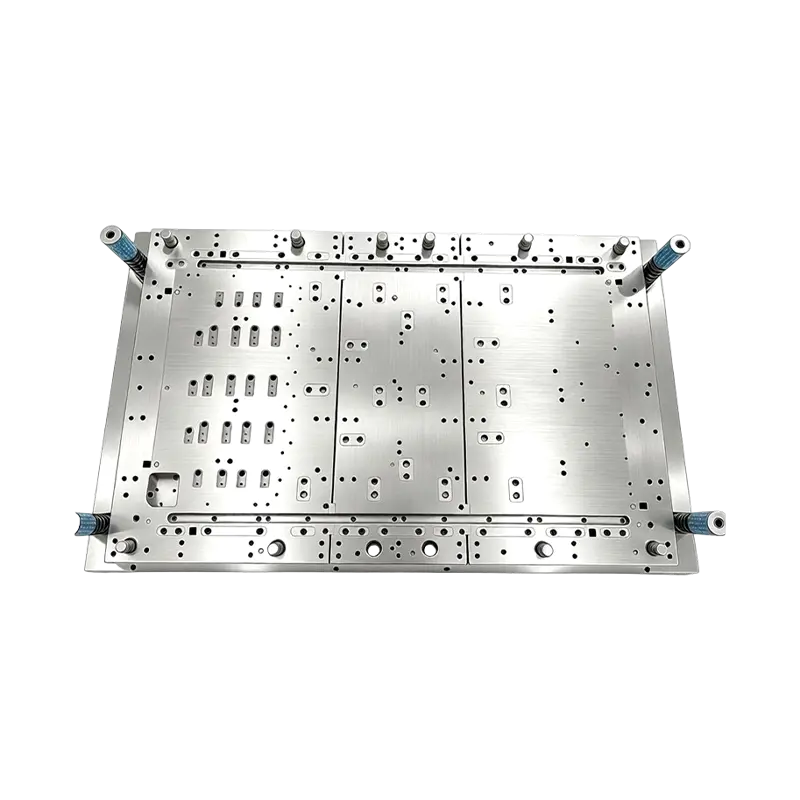
Multi-Station Progressive Stamping Die with Carbide Inserts Custom Multi Station Progressive Stamping Die Carbide Insert Metal Stamping Mold Tool for Equipment Appliances Device Hardware
High Speed Metal Stamping Tool for Precise Equipme...
-
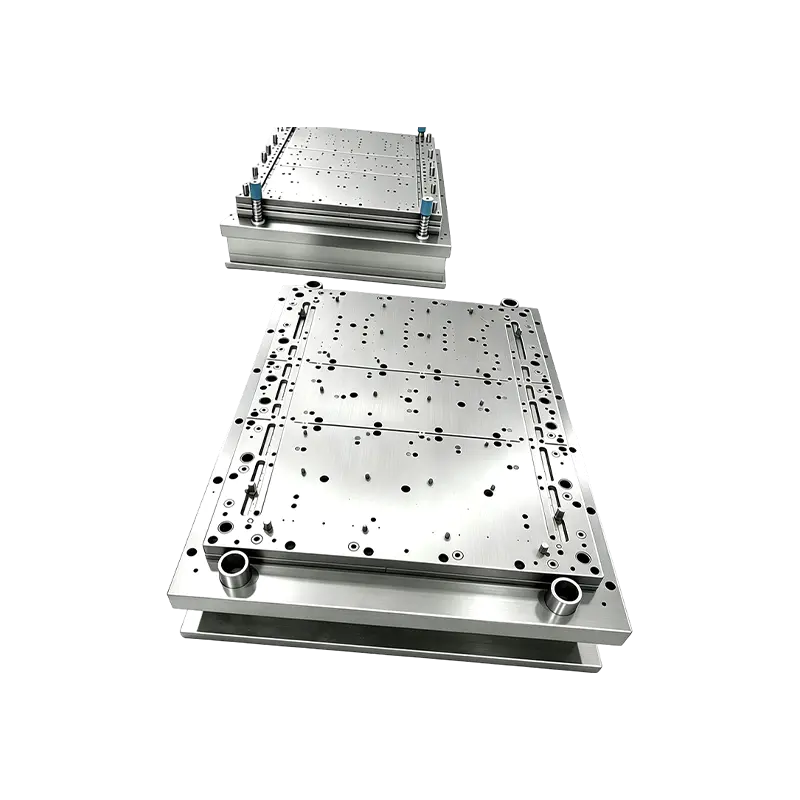
Progressive Stamping Die for Connector & Terminal Parts High Speed Progressive Stamping Die Precision Metal Hardware Stamping Tool mold for Connector Terminal Parts Automotive Components
Progressive Stamping Die for Connector & Termi...
- E-mail us: [email protected]
- Call us: +86-139 1308 8972

Industry News
Home / News / Industry News / Heavy Stamping Guide: Tolerances, Tonnage, Die Design, and Tooling Selection
Heavy Stamping Guide: Tolerances, Tonnage, Die Design, and Tooling Selection
2026-10-13
Content
- 1 Heavy Stamping: When 2 mm Is Already Too Thin
- 2 Core Principles: What Changes When Gauge Goes Up
- 3 Tonnage Comparison: Matching Press to Part
- 4 Hidden Metric: Force Demand by Thickness
- 5 Industry Application Split for Heavy Stamping
- 6 Selection Guide: Five Steps Before You Commit
- 7 Maintenance and Compliance for Heavy Stamping
- 8 ROI Note: Where Heavy Stamping Budgets Leak
Heavy Stamping: When 2 mm Is Already Too Thin
A purchasing engineer once asked why a 6 mm bracket quoted at three different prices within 48 hours. The reason was not labor or overhead. It was tonnage. Heavy stamping—forming metal sheets typically thicker than 4 mm—changes every calculation: press capacity, die material, lubrication, and even the way you inspect the finished part. If you treat a 6 mm part like a 1.5 mm electronic enclosure, you will either break a die or pay for a press you do not need.
Quick conclusion: For heavy stamping, the tonnage requirement scales roughly with thickness squared, not linearly. A 6 mm low-carbon steel part can need 2.5 to 3 times the force of a 3 mm part with the same perimeter. Always verify press stroke, bed size, and cushion capacity before quoting.
The practical threshold is not fixed. Some shops call 3 mm heavy; others start at 6 mm. What matters is whether your existing 80T to 400T press can hold the required force across the full stroke without deflecting the frame. In heavy stamping, deflection shows up as uneven thickness, cracked radii, and short die life.
Core Principles: What Changes When Gauge Goes Up
Heavy stamping is not just “more force.” It is a different set of constraints. The following four factors decide whether a part is producible, repeatable, and profitable.
Tonnage and Stroke
A 400T press with a 24-inch stroke is not the same as a 400T press with a 10-inch stroke. Heavy parts often require deeper draw than thin parts. If the stroke is too short, you cannot clear the part or set the cushion. Always match the press curve, not just the peak tonnage.
Die Material and Clearance
For 6 mm mild steel, die clearance typically runs 8% to 12% of thickness per side. Too little clearance causes galling and punch breakage; too much creates heavy burrs and poor edge quality. D2 and SKD11 remain common, but for high-strength steel above 780 MPa, powder metallurgy steels or carbide inserts become cost-effective.
Springback Compensation
Thick metal springs back more in absolute terms. A 6 mm part with a 90-degree bend may return 2 to 3 degrees after release. The die must be over-bent or the process must include a coining station. This is why heavy stamping dies often cost 20% to 40% more than thin-gauge dies of similar size.
Material Consistency
Thickness variation of plus or minus 0.2 mm is negligible at 1 mm gauge. At 8 mm, it changes the required force by 5% or more. Without incoming inspection and consistent coil sources, your press overloads randomly. Heavy stamping demands lot-level material traceability.
The choice between progressive and transfer dies also shifts. For heavy parts, transfer dies often win because they move the part between stations without pulling it through a strip. You can read a detailed comparison in this article on progressive versus transfer metal stamping.
Tonnage Comparison: Matching Press to Part
The table below uses a simplified shear formula for low-carbon steel (shear strength 300 MPa). Actual tonnage depends on die design, material grade, and cushion settings. Use this as a first-pass filter, not a final quote.
Notice the jump from 400T to 600T. Many shops can handle 4 to 8 mm parts but must outsource above 8 mm. That gap is where delivery risk and cost creep appear.
Hidden Metric: Force Demand by Thickness
Buyers often compare price per kilogram. A better hidden metric is force demand per millimeter of thickness. The chart below shows relative tonnage for the same part geometry as thickness increases from 3 mm to 12 mm. The bars are normalized to 3 mm = 100.
3 mm
5 mm
7 mm
10 mm
12 mm
At 12 mm, the force index exceeds 1400% of the 3 mm baseline because shear area grows linearly while thickness also increases the required pressure for clean shearing. This is why a small dimensional change can push a part from a 200T press to a 600T press.
Industry Application Split for Heavy Stamping
Heavy stamping demand is not evenly distributed. Based on typical project mixes in metal forming shops serving machinery and vehicle customers, the market splits roughly as follows.
Automotive & new energy vehicles — 45%
Heavy trucks & construction equipment — 25%
Appliances & electronics — 20%
Industrial equipment — 10%
Automotive parts dominate because battery covers, motor housings, seat frames, and copper busbars all use 4 to 10 mm stock. Heavy truck stampings, such as frame brackets and suspension mounts, require even higher tonnage and often 12 mm or thicker material.
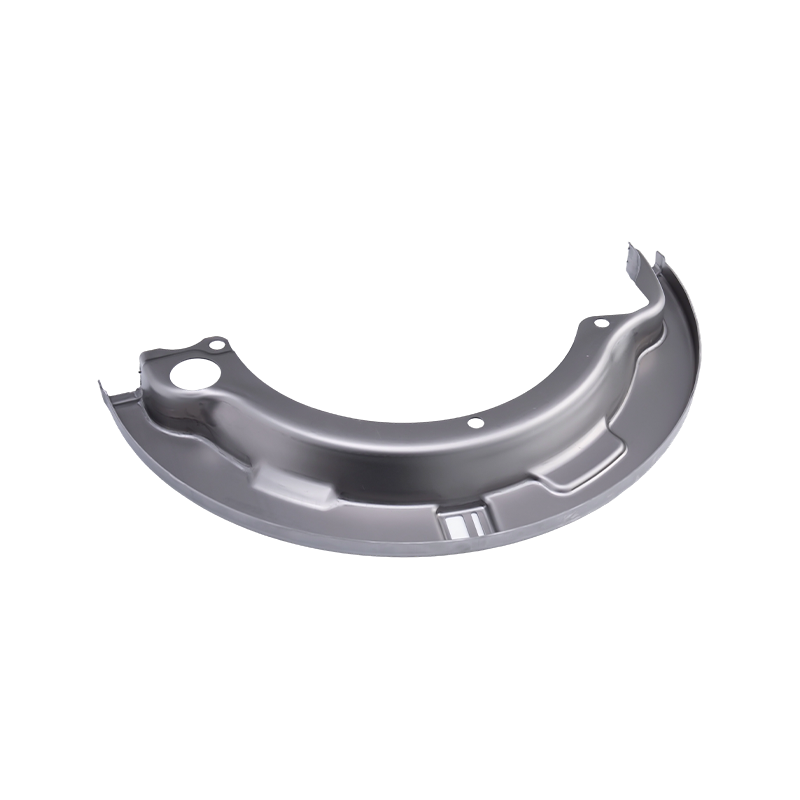 Heavy Truck Stamping Parts for Commercial Vehicle ApplicationsPrecision high-strength steel components including frame brackets and suspension plates, engineered for load-bearing, vibration resistance, and long service life.View Product →
 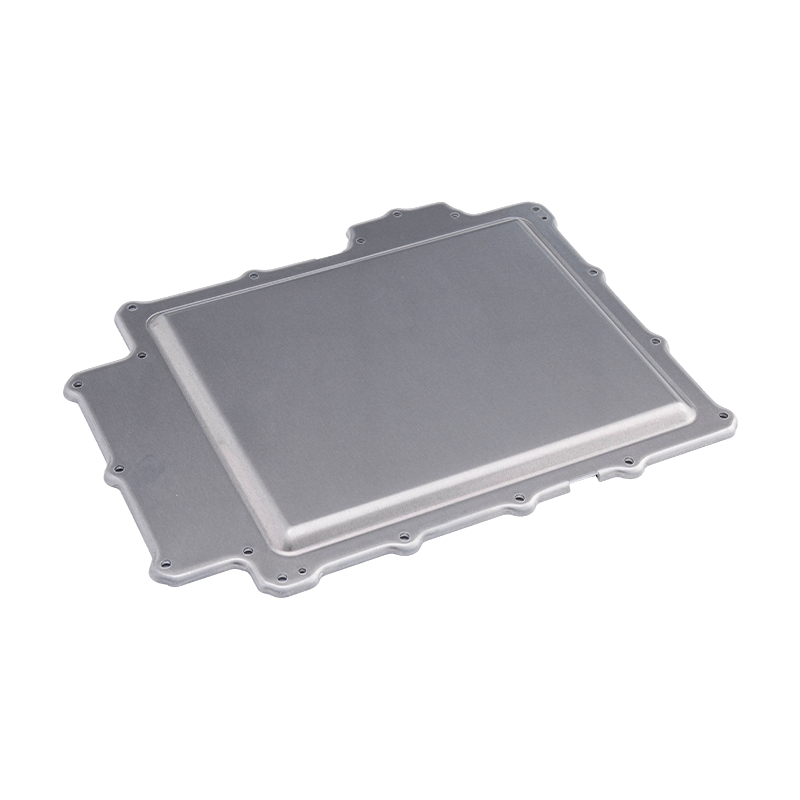 Battery Cover Stamping Parts for Automotive and Storage SystemsCold-rolled steel, aluminum, or stainless steel enclosures with tight tolerances, helping protect battery cores from dust, moisture, and impact.View Product →
In new energy vehicles, battery cover stamping parts must balance weight, sealing, and crash safety. That usually means high-strength steel or aluminum alloys with tight flatness tolerance. For electric motors, the housing stamping parts carry similar demands but add magnetic shielding and concentricity requirements.
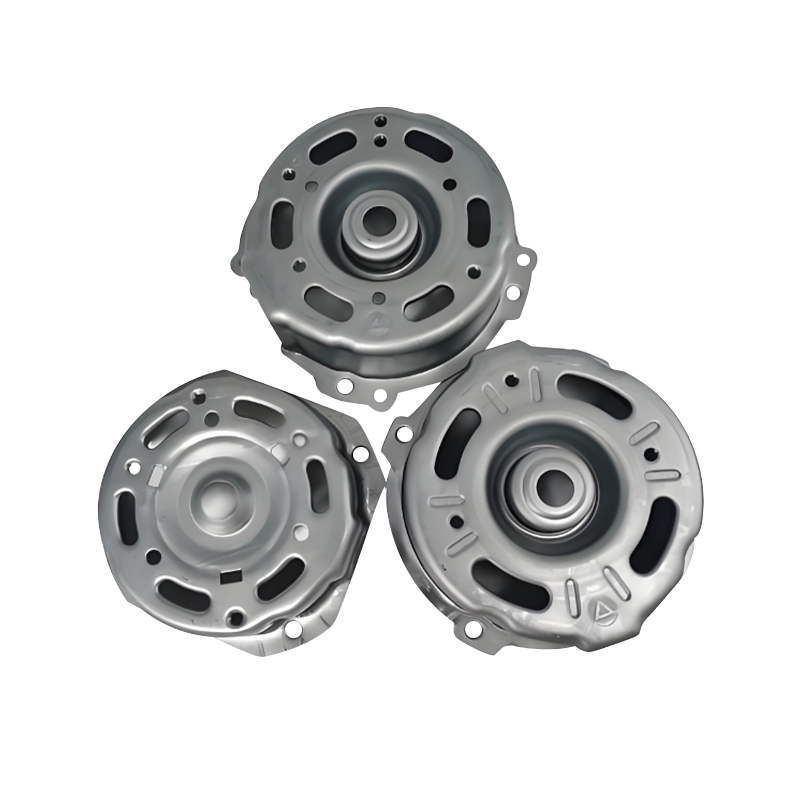 Automotive Motor Housing Stamping PartsHigh-strength steel or aluminum housings with heat-dissipation structures and standardized interfaces, supporting motor protection, assembly efficiency, and durability.View Product →
Selection Guide: Five Steps Before You Commit
Use this sequence to reduce the risk of buying the wrong press, die, or supplier.
Step 1: Calculate True Tonnage
Use the shear formula: perimeter × thickness × shear strength / 1000. Add 20% safety for shock loads and 10% for cushion return. Do not rely on the press’s nominal rating alone.
Step 2: Verify Bed and Stroke
Check if the die fits the bed and if the stroke clears the part. A 312-inch by 84-inch bed is common on large presses, but your die may need T-slots at specific positions.
Step 3: Confirm Material Grade
High-strength steel above 780 MPa can require 30% more force than mild steel. Ask for mill certificates and verify thickness tolerance before production.
Step 4: Audit Die Maintenance
Heavy stamping dies wear faster. Ask for the supplier’s preventive maintenance interval, spare punch inventory, and record of die life in strokes.
Step 5: Plan for Automation
Heavy parts are difficult to hand-feed. Transfer systems, robots, or coil feeders must be specified together with the die to avoid rework later.
Maintenance and Compliance for Heavy Stamping
Heavy stamping amplifies wear, noise, and safety risk. A maintenance plan that works for thin-gauge lines will fail here.
- Inspect die clearances every 5,000 to 10,000 strokes for 6 mm and above. Wear accelerates after the first 20% of die life.
- Monitor press frame deflection quarterly. A 0.2 mm deflection across the bed can double edge burr height.
- Use lubrication with extreme pressure additives. Standard thin-film lubricants break down under high contact pressure.
- Comply with local guarding standards for high-tonnage presses. Light curtains alone may not stop a 400T ram within safe distance.
- Keep material traceability records for at least three years. If a batch of thick steel has inconsistent yield, you need to isolate affected parts quickly.
For suppliers, the ability to offer die, part, and automation from one source reduces the maintenance handoff problem. When the die builder and the stamper are the same team, clearance adjustments and spare parts arrive without finger-pointing.
ROI Note: Where Heavy Stamping Budgets Leak
The largest hidden cost in heavy stamping is not the press hourly rate. It is scrap from springback and die tryout. A 6 mm part that fails dimensional inspection at 5,000 strokes can waste 8 to 12 tons of steel before the die is corrected. A disciplined tryout plan with incremental thickness samples costs less than one week of production scrap.
When you evaluate a quote, ask for the assumed shear strength, die clearance, and springback compensation method. If the supplier cannot answer, the price is likely based on thin-gauge habits. That is the moment to walk the floor and check the press curve.
Previous Post
No previous article
Next Post
Automotive Part Progressive Stamping: Dies, Tolerances, Costs, and Volume Guide
Our Products.
Start Your Business with an OEM Manufacturer Right Here!

Provide global customers with complete turn-key solutions
through
innovation!
QUICK LINKS
CONTACT INFO.
-
 +86-139 1308 8972
 -

-
 No. 118 Yexin Road, Wujiang Economic Development Zone, Suzhou, China
Copyright © Suzhou Shuangqisi Mold Equipment Co., Ltd. All Rights Reserved. Custom Stamping Die Metal Stamping Die Manufacturers
