 English
 Español
 Deutsch
-

Small automotive parts progressive die stamping parts
Our Small automotive parts progressive die stampin...
-

Deep drawing mold for front and rear wheels of two-wheeled electric vehicles
This Deep drawing mold for front and rear wheels o...
-
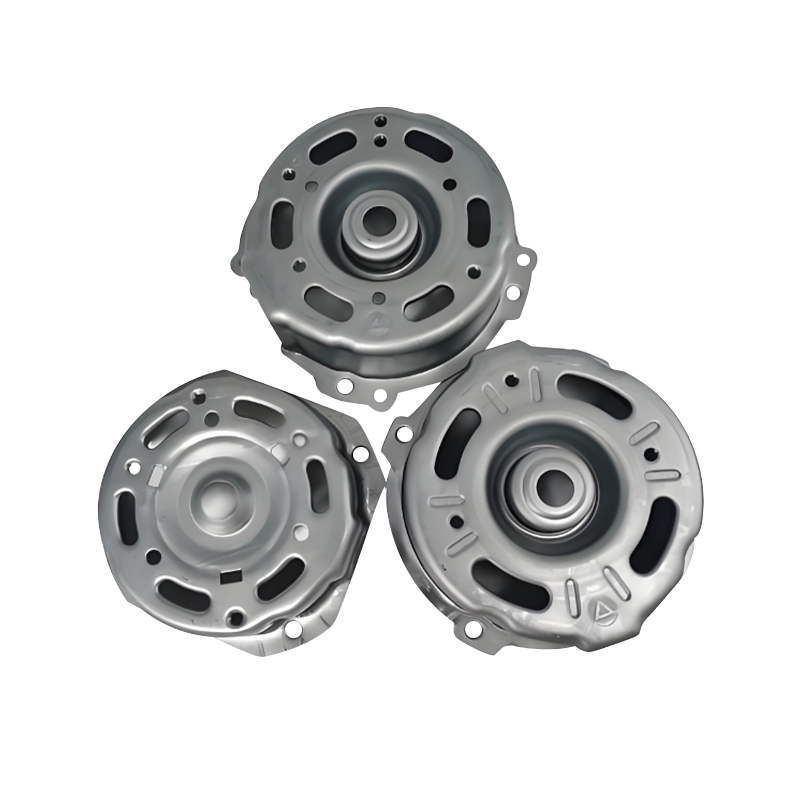
Automotive motor housing stamping parts
Automotive motor housing stamping parts are core c...
-
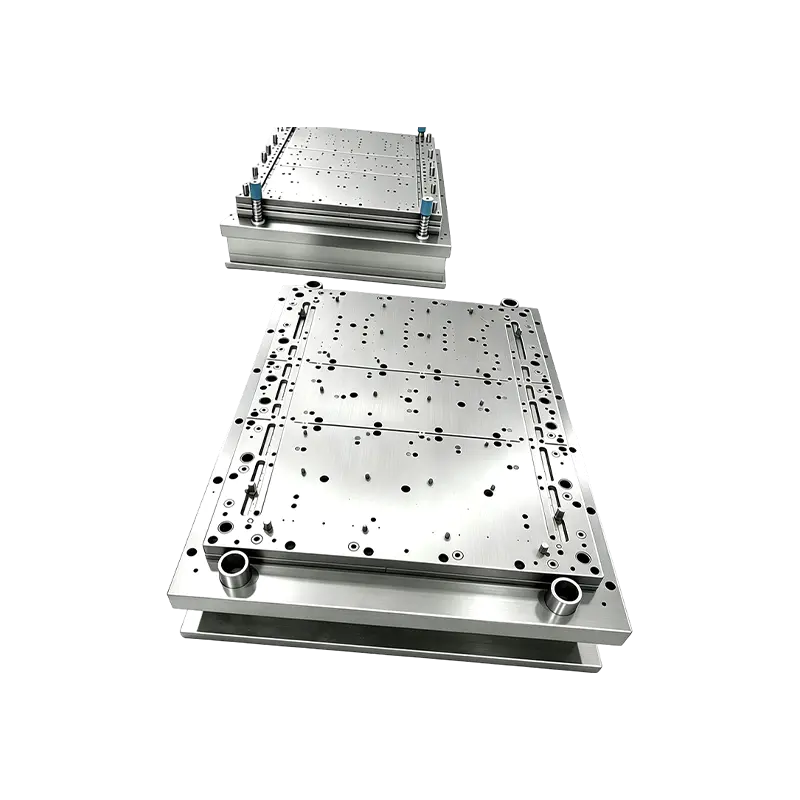
Progressive Stamping Die for Connector & Terminal Parts High Speed Progressive Stamping Die Precision Metal Hardware Stamping Tool mold for Connector Terminal Parts Automotive Components
Progressive Stamping Die for Connector & Termi...
-

New energy vehicle copper busbar stamping parts
New energy vehicle copper busbar stamping parts ar...
-
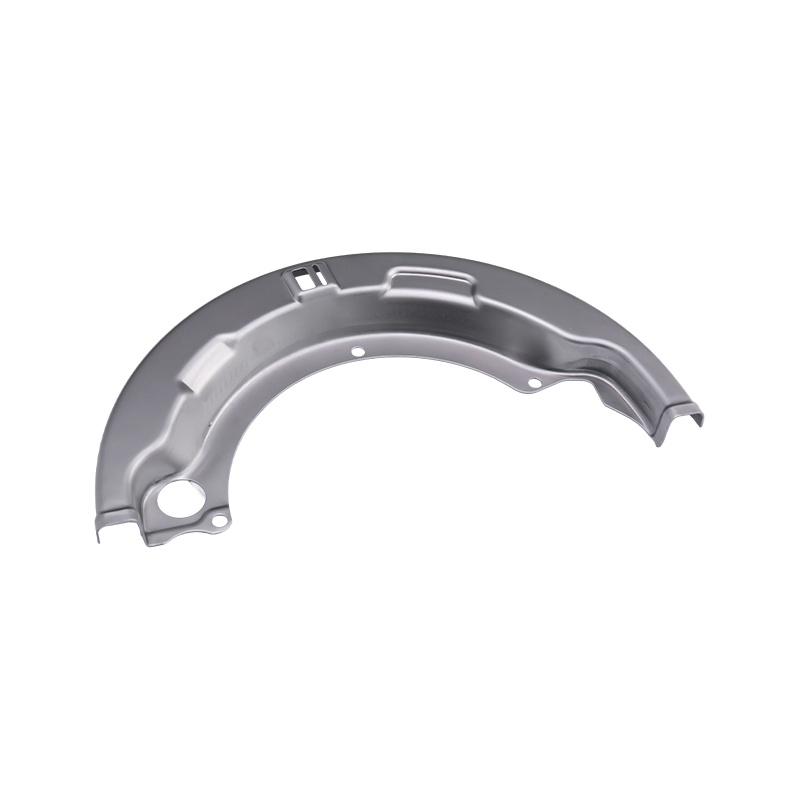
Heavy truck stamping parts
Our Heavy truck stamping parts are precision-manuf...
- E-mail us: [email protected]
- Call us: +86-139 1308 8972

Industry News
Home / News / Industry News / The automotive stamping die industry is ushering in a new round of technological upgrades.
The automotive stamping die industry is ushering in a new round of technological upgrades.
2026-01-12
With the rapid development of new energy vehicles and intelligent manufacturing, the automotive stamping die industry is entering a new phase of technological upgrading and structural adjustment. As a crucial foundation for automotive parts manufacturing, stamping dies face higher demands in terms of precision, efficiency, and stability.
In recent years, the trend towards lightweighting in automobiles has become increasingly apparent, with the application of new materials such as high-strength steel and aluminum alloys in vehicle body structures expanding. This presents greater challenges to the structural design, material selection, and manufacturing processes of stamping dies. Dies not only need higher wear resistance and service life but also must maintain stable forming quality under complex forming conditions.
Simultaneously, the automotive industry's increasing demands for production efficiency and consistency are driving the development of stamping dies towards higher precision, standardization, and automation. By introducing precision machining equipment, digital design, and automated stamping production lines, die manufacturers are transforming from delivering single dies to providing systematic solutions.
In the new energy vehicle sector, the demand for key components such as battery housings, motor housings, and structural parts continues to grow, bringing new application scenarios to the stamping die industry. Related dies are increasingly emphasizing manufacturability analysis and mass production stability during the design phase to adapt to the rapid pace of product development.
Industry insiders say that the automotive stamping die industry will place greater emphasis on technological accumulation and comprehensive service capabilities in the future. Companies with capabilities in die manufacturing, stamping processes, and automation integration will have a more advantageous position in market competition, driving the industry towards high-quality and sustainable development.
Previous Post
What Is the Difference Between Progressive and Transfer Metal Stamping Dies?
Next Post
No next article
Our Products.
Start Your Business with an OEM Manufacturer Right Here!

Provide global customers with complete turn-key solutions
through
innovation!
QUICK LINKS
CONTACT INFO.
-
 +86-139 1308 8972
 -

-
 No. 118 Yexin Road, Wujiang Economic Development Zone, Suzhou, China
Copyright © Suzhou Shuangqisi Mold Equipment Co., Ltd. All Rights Reserved. Custom Stamping Die Metal Stamping Die Manufacturers
