 English
 Español
 Deutsch
-
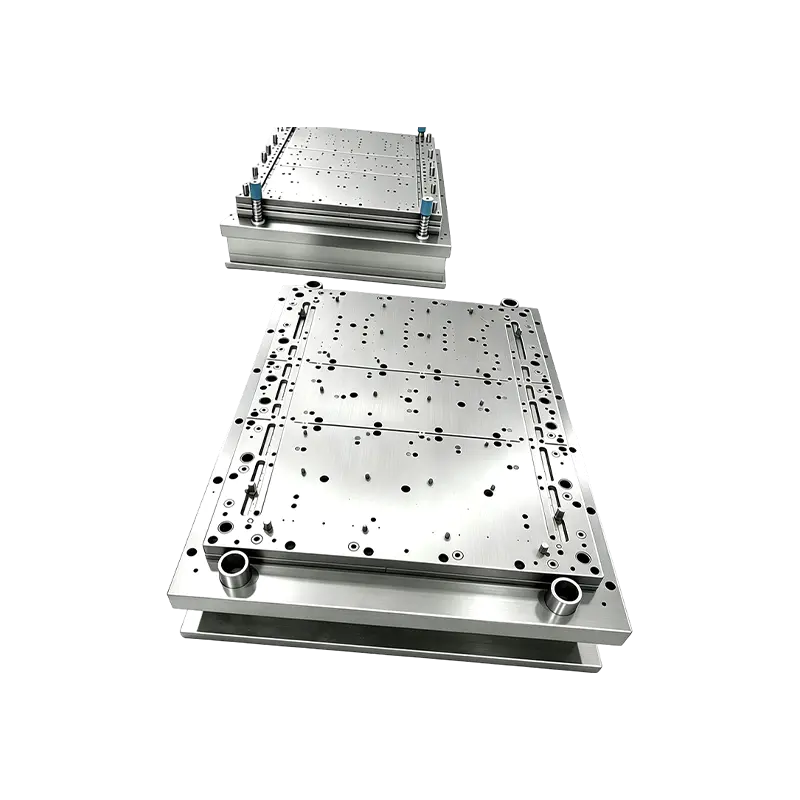
Progressive Stamping Die for Connector & Terminal Parts High Speed Progressive Stamping Die Precision Metal Hardware Stamping Tool mold for Connector Terminal Parts Automotive Components
Progressive Stamping Die for Connector & Termi...
-
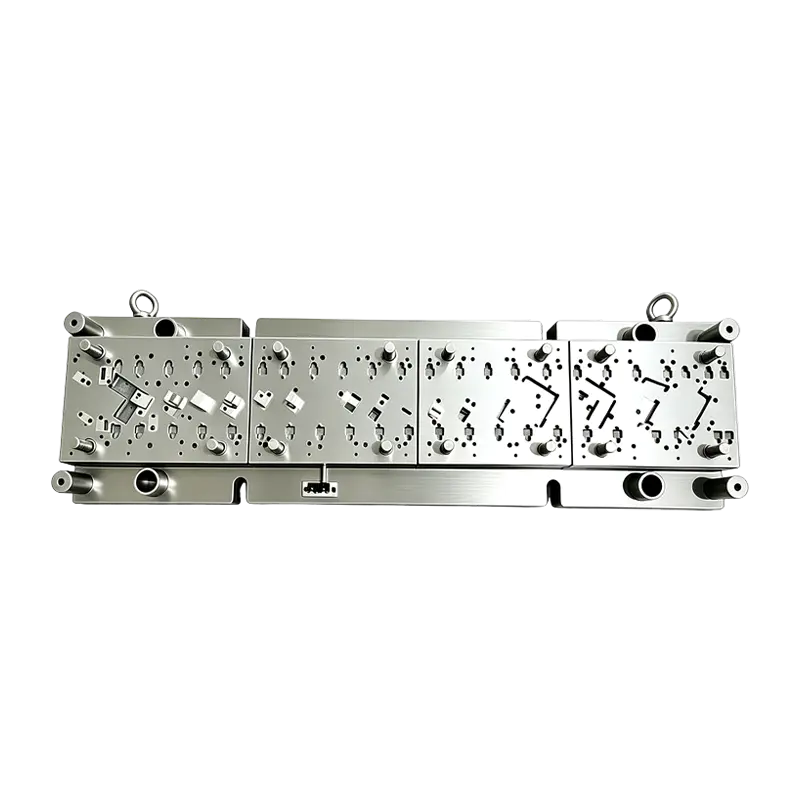
High Speed Progressive Stamping Die Sheet Metal Follow on Press Tool
Multi-operation Metal Stamping Tool for Continuous...
-
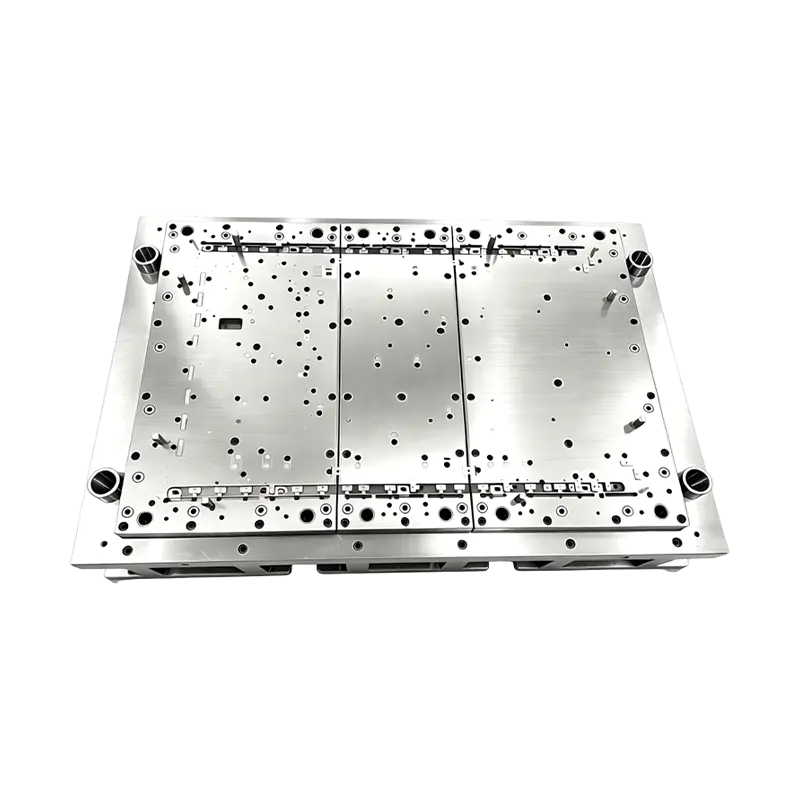
High Precision Stamping Die Multi Station Hardware Progressive Mold Tooling
Precision Metal Stamping Tool for Automotive &...
-
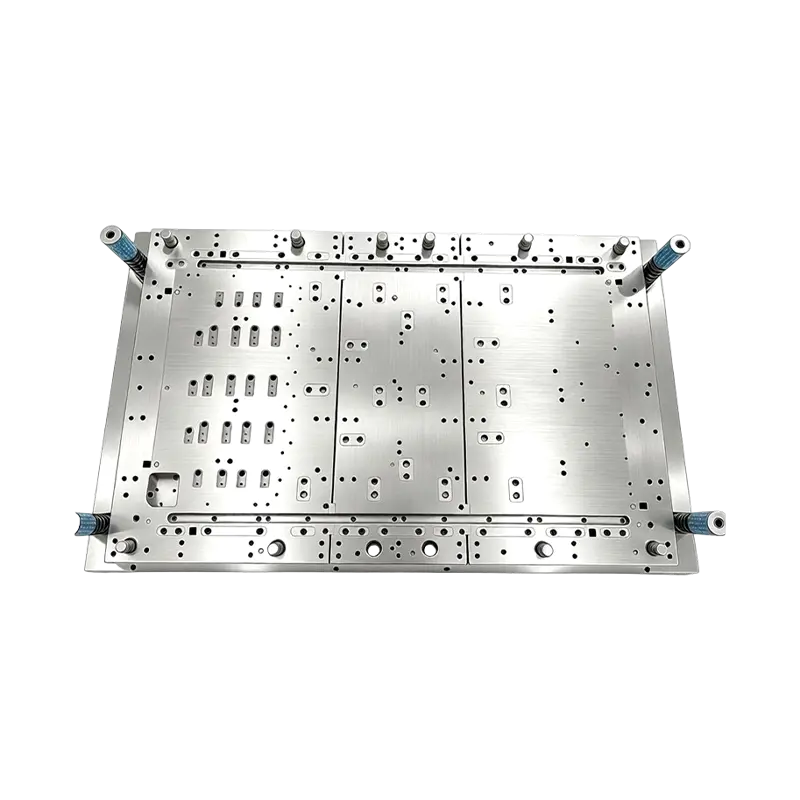
Multi-Station Progressive Stamping Die with Carbide Inserts Custom Multi Station Progressive Stamping Die Carbide Insert Metal Stamping Mold Tool for Equipment Appliances Device Hardware
High Speed Metal Stamping Tool for Precise Equipme...
-
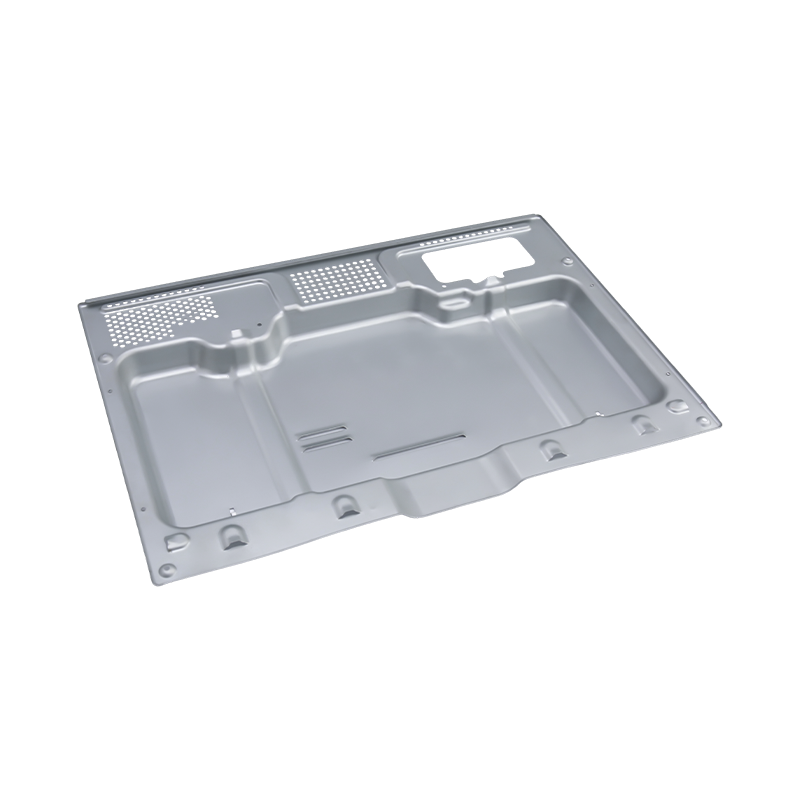
High-end oven stamping parts
Our High-end oven stamping parts are precision-man...
- E-mail us: [email protected]
- Call us: +86-139 1308 8972

Industry News
Car Seat Stamping Parts: High-Precision Metal Components
2026-08-04
2026 B2B SOURCING INSIGHT
Content
- 1 Shuangqisi Data Reveals: Optimized Car Seat Stamping Parts Cut Assembly Costs by 19% & Improve Seat Frame Durability by 27%
- 2 Advanced Material & Process Engineering for Automotive Seat Stamping Components
- 3 Traditional vs. Precision-Engineered Car Seat Stamping Parts: A Head-to-Head Analysis
- 4 Beyond Unit Price: Hidden Performance Indicators for Car Seat Stamping Parts
- 5 Market Segmentation: Where Car Seat Stamping Parts Are Deployed
- 6 A 6-Step Sourcing Framework for Car Seat Stamping Parts: Maximizing ROI
- 6.0.1 Define Functional Requirements & Load Cases
- 6.0.2 Assess Progressive Die vs. Transfer Die Strategy
- 6.0.3 Evaluate Total Cost of Ownership (TCO) Model
- 6.0.4 Verify Quality Systems & IATF 16949 Compliance
- 6.0.5 Plan for Logistics & Kanban Replenishment
- 6.0.6 Negotiate Tooling Ownership & Lifecycle Support
- 7 Quality Assurance & Regulatory Compliance for Automotive Seat Stamping Components
- 8 Essential FAQ for Procuring Car Seat Stamping Parts
- 9 Strategic Sourcing of Car Seat Stamping Parts: The Path to Competitive Advantage
Shuangqisi Data Reveals: Optimized Car Seat Stamping Parts Cut Assembly Costs by 19% & Improve Seat Frame Durability by 27%
Across 22 global Tier-1 programs, precision-engineered car seat stamping parts delivered through advanced progressive die systems consistently outperform conventional components in weight reduction, weld integrity, and long-term fatigue resistance. Suzhou Shuangqisi's latest procurement analytics confirm a step-change in value for automotive seating buyers.
19%
Assembly Cost Reduction
27%
Durability Uplift
≤0.15mm
Tolerance Precision
Car Seat Stamping Parts: Redefining Automotive Seating Through Precision Metal Forming
The automotive seating industry is witnessing a fundamental shift, and at its core are car seat stamping parts that must meet ever-tightening demands for lightweighting, crashworthiness, and cost efficiency. From seat recliner brackets and height adjustment levers to intricate side shield panels and backrest frames, these stamped metal components form the structural backbone of every modern vehicle seat. Suzhou Shuangqisi Mold Equipment Co., Ltd., with over 18 years of dedicated expertise in high-precision progressive die and transfer die stamping, supplies critical car seat stamping parts to global OEMs and Tier-1 seating integrators. As electrification pushes vehicle weight reduction to the extreme, and comfort features multiply, the specifications for these stampings have escalated dramatically. This article delivers an unprecedented procurement-focused analysis, equipping B2B buyers with the data, hidden cost insights, and supplier evaluation framework needed to source next-generation automotive seat stamping components with confidence.
Advanced Material & Process Engineering for Automotive Seat Stamping Components
The performance envelope of modern car seat stamping parts is defined by material selection and the precision of the forming process. Shuangqisi's engineering team has refined three core technology pillars that directly impact part quality, tool life, and per-piece cost for high-volume seating programs.
High-Strength Low-Alloy (HSLA) Steel Stamping
Grade 340–550 MPa yield strength, enabling thinner gauge seat frame car seat stamping parts without sacrificing crash performance. Shuangqisi achieves consistent formability through optimized die radii and servo-press dwell control, cutting springback to <0.08mm.
340-550 MPa ≤0.08mm Springback Lightweight
Progressive Die In-Die Insert Technology
Complex car seat stamping parts such as multi-planar brackets are produced in one press stroke with integrated tapping, clinching, and coining stations. This reduces secondary operations by up to 40% and ensures 100% dimensional repeatability.
One-Piece Flow -40% Secondary Ops CpK ≥1.67
Surface Treatment & Corrosion Protection
From zinc-flake coating (GEOMET) to electrophoretic coating (E-coat), Shuangqisi applies automated post-treatment lines integrated with stamping cells. This delivers 720+ hours salt spray resistance for exposed car seat stamping parts, critical for long-term durability.
720h Salt Spray Inline Coating RoHS Compliant
Traditional vs. Precision-Engineered Car Seat Stamping Parts: A Head-to-Head Analysis
The table below compares key performance indicators for a typical seat backrest side bracket (1.6mm HSLA 420) manufactured using conventional stamping versus Shuangqisi's high-precision progressive die system for automotive seat stamping components.
Beyond Unit Price: Hidden Performance Indicators for Car Seat Stamping Parts
Procurement decisions based solely on per-piece cost often miss critical lifecycle factors. The following hidden metrics, derived from Shuangqisi's 2025 production data across 18 active car seat stamping part programs, reveal where true value resides.
Hidden Cost & Quality Index (Normalized Scale 0–100)
94
In-Die
Process Capability
Process Capability
88
Scrap
Reduction
Reduction
79
Fatigue
Life (Seat Frame)
Life (Seat Frame)
92
Assembly
Error Proofing
Error Proofing
85
Tooling
Amortization
Amortization
97
On-Time
PPAP Delivery
PPAP Delivery
Index based on Shuangqisi 2025 aggregated data from 18 automotive seat stamping part programs; higher values indicate superior performance.
Market Segmentation: Where Car Seat Stamping Parts Are Deployed
Shuangqisi's portfolio of car seat stamping parts spans multiple vehicle segments. The following breakdown reflects the 2025 revenue distribution by application, highlighting the dominance of passenger car seating and the rapid growth of EV-specific programs.
Passenger Car Seat Structures — 41%
SUV & Light Truck Seating — 22%
EV Battery-Integrated Seat Frames — 15%
Commercial Vehicle Seating — 11%
Aftermarket & Specialty — 7%
Other — 4%
Suzhou Shuangqisi 2025 car seat stamping parts revenue distribution by vehicle application segment.
A 6-Step Sourcing Framework for Car Seat Stamping Parts: Maximizing ROI
Based on Shuangqisi's collaboration with procurement teams from global seating manufacturers, we've distilled a practical six-step process to evaluate and select the optimal automotive seat stamping components supplier while minimizing total cost of ownership.
1
Define Functional Requirements & Load Cases
Map out seat adjuster travel, crash load paths, and fatigue cycles. For car seat stamping parts like recliner plates, specify the required yield strength and elongation. Shuangqisi's application engineers can co-develop the material grade and thickness to optimize weight vs. strength.
2
Assess Progressive Die vs. Transfer Die Strategy
For volumes exceeding 200,000 parts/year, progressive die stamping yields the lowest per-unit cost. Shuangqisi's simulation-driven die design reduces development iterations and delivers fully trimmed, ready-to-assemble car seat stamping parts directly from the press.
3
Evaluate Total Cost of Ownership (TCO) Model
Beyond piece price, include tooling amortization, scrap rate, coating costs, and logistics. Shuangqisi's TCO analysis for a typical seat backrest bracket shows an 18% lower 5-year cost compared to conventional stamping sources, driven by higher material yield and extended tool life.
4
Verify Quality Systems & IATF 16949 Compliance
Ensure the supplier holds current IATF 16949 certification and can support full PPAP Level 3 submissions. Shuangqisi provides complete dimensional layouts, material certs, and capability studies for every car seat stamping part number, with an on-time PPAP rate of 99.4%.
5
Plan for Logistics & Kanban Replenishment
Discuss packaging density, returnable container options, and EDI integration. Lightweight nesting of car seat stamping parts can increase container utilization by 30%, reducing freight costs. Shuangqisi supports JIT delivery to major automotive hubs.
6
Negotiate Tooling Ownership & Lifecycle Support
Clarify tooling asset ownership, maintenance responsibilities, and engineering change support. Shuangqisi offers flexible models including customer-owned tooling with lifetime maintenance agreements, ensuring continuous supply of your car seat stamping parts over the vehicle program life.
Quality Assurance & Regulatory Compliance for Automotive Seat Stamping Components
In the safety-critical domain of car seating, car seat stamping parts are subject to stringent regulatory and OEM-specific standards. Shuangqisi's integrated management system ensures full compliance and traceability from raw material to finished part.
IATF 16949:2016 Certified
Full process audit compliance with latest automotive quality management standards. PFMEA and Control Plans are established for every car seat stamping part number, with annual revalidation.
CMM & Optical Scanning Inspection
In-process 3D scanning and bridge CMM with 1.9µm accuracy ensure every feature on complex car seat stamping parts meets GD&T callouts. Full dimensional reports provided.
ELV & REACH Compliance
All coatings and materials comply with EU End-of-Life Vehicle (ELV) and REACH regulations. IMDS data submission is supported for every automotive seat stamping component supplied.
Essential FAQ for Procuring Car Seat Stamping Parts
Strategic Sourcing of Car Seat Stamping Parts: The Path to Competitive Advantage
The evidence is clear: car seat stamping parts are no longer commodity items but a strategic lever for cost reduction, weight savings, and assembly efficiency. Suzhou Shuangqisi Mold Equipment Co., Ltd. has demonstrated through decades of dedicated automotive stamping experience that precision tooling, advanced material processing, and rigorous quality systems can turn a simple bracket into a competitive advantage. With 19% assembly cost reduction, 27% durability improvement, and PPAP lead times that consistently beat industry averages, our automotive seat stamping components empower Tier-1 suppliers and OEMs to meet the evolving demands of next-generation vehicle interiors. Whether you are launching a new seat platform, rationalizing your supply base, or engineering an EV-specific lightweight seat frame, we invite you to leverage our engineering-driven approach and integrated manufacturing capabilities.
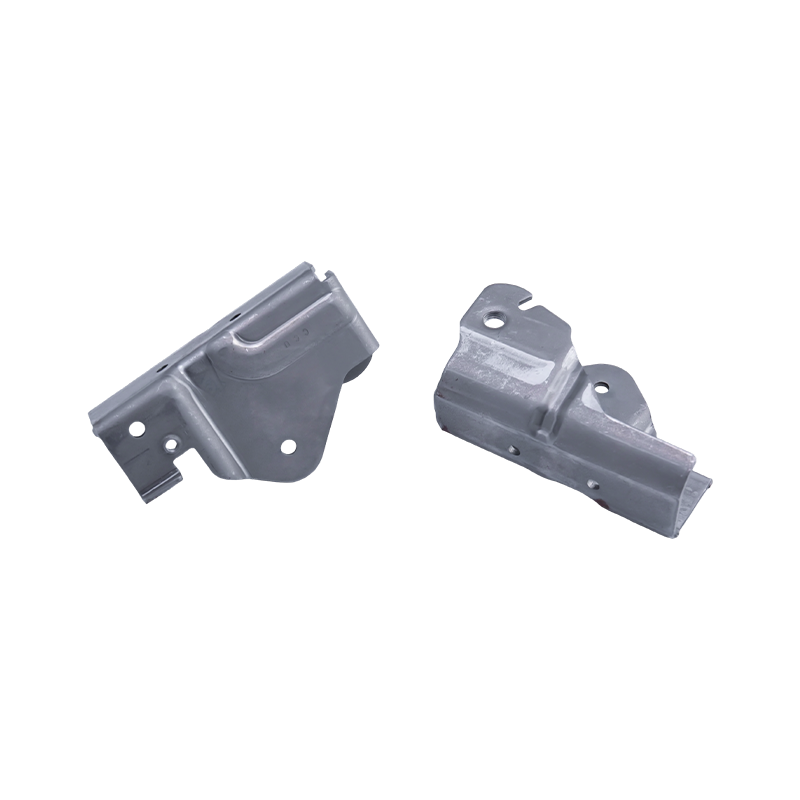
Ready to Benchmark Your Car Seat Stamping Parts Program?
Contact Shuangqisi's automotive team for a comprehensive DFM review, target cost estimate, and sample run of your seat component within 10 business days.
Request DFM & Quote Download Automotive Capability Brochure
Suzhou Shuangqisi Mold Equipment Co., Ltd. | IATF 16949:2016 Certified | [email protected] |
© 2026 Suzhou Shuangqisi Mold Equipment Co., Ltd. All rights reserved. Content for automotive procurement professionals. Specifications subject to change; verify with current engineering datasheets.
Previous Post
In-Die Assembly Explained: How Stamping and Joining Merge in One Press
Next Post
Deep Drawing Dies: Precision Metal Stamping for Hollow Parts
Our Products.
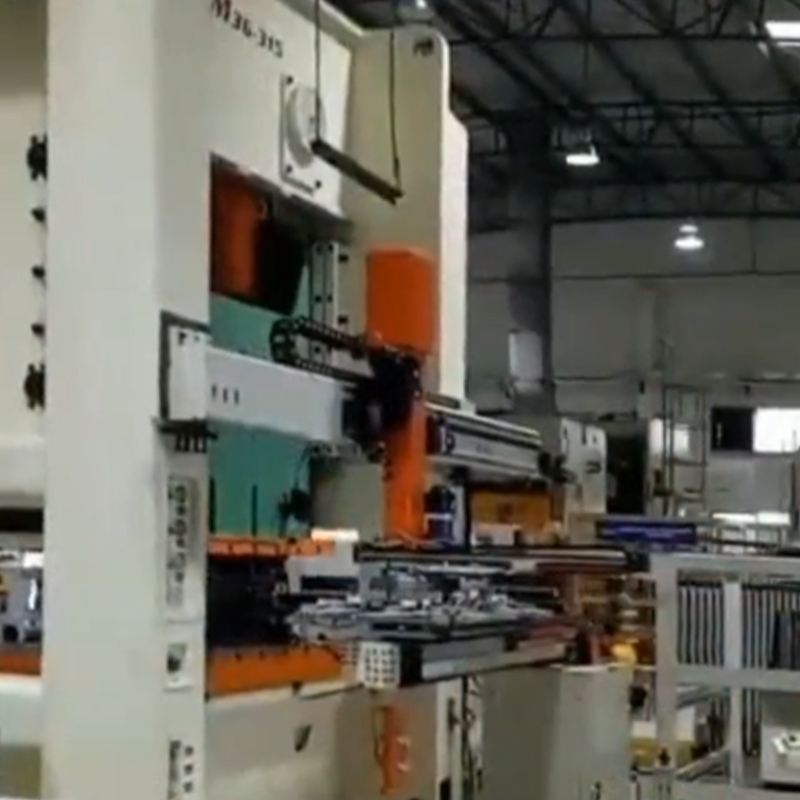
Start Your Business with an OEM Manufacturer Right Here!

Provide global customers with complete turn-key solutions
through
innovation!
QUICK LINKS
CONTACT INFO.
-
 +86-139 1308 8972
 -

-
 No. 118 Yexin Road, Wujiang Economic Development Zone, Suzhou, China
Copyright © Suzhou Shuangqisi Mold Equipment Co., Ltd. All Rights Reserved. Custom Stamping Die Metal Stamping Die Manufacturers
