 English
 Español
 Deutsch
-
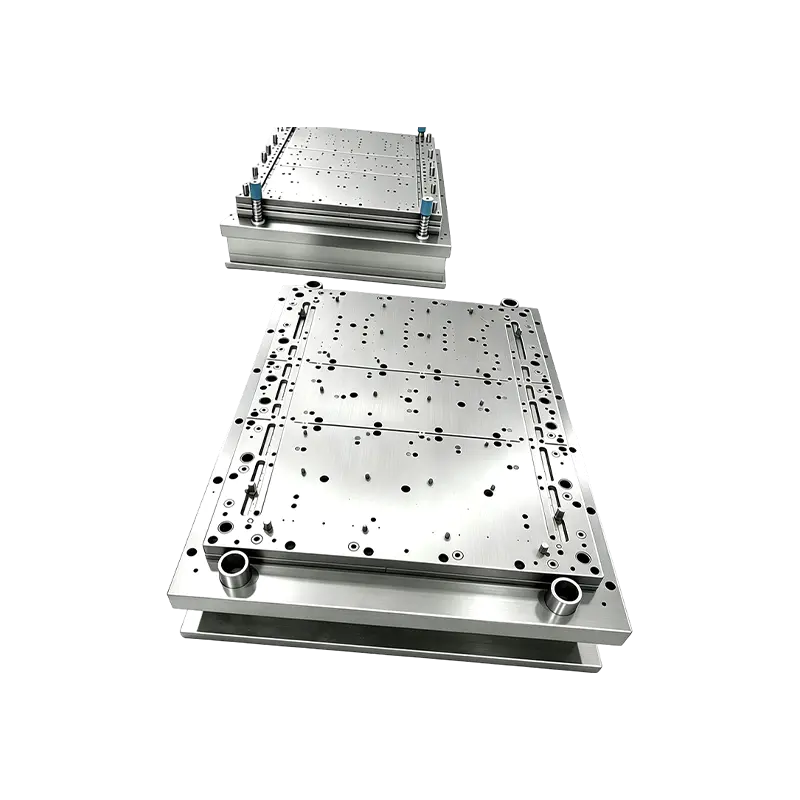
Progressive Stamping Die for Connector & Terminal Parts High Speed Progressive Stamping Die Precision Metal Hardware Stamping Tool mold for Connector Terminal Parts Automotive Components
Progressive Stamping Die for Connector & Termi...
-
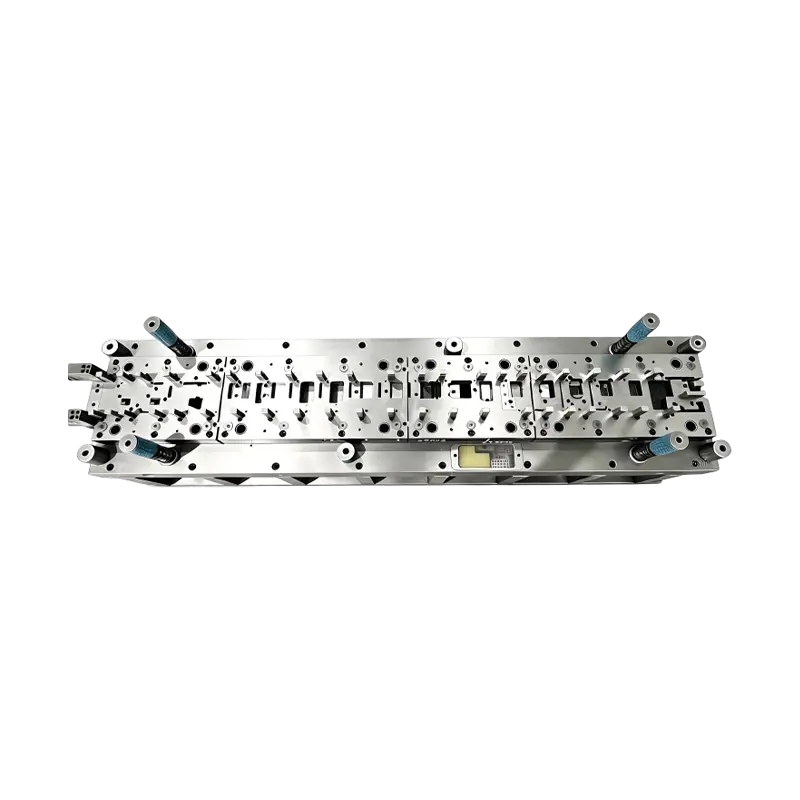
Long-Stroke Multi-Stage Progressive Die Automatic Strip Feed Progressive Die Long Travel Follow on Stamping Tool for Sheet Metal Hardware Press Moulding
Long-Stroke Multi-Stage Progressive DieOur custom ...
-
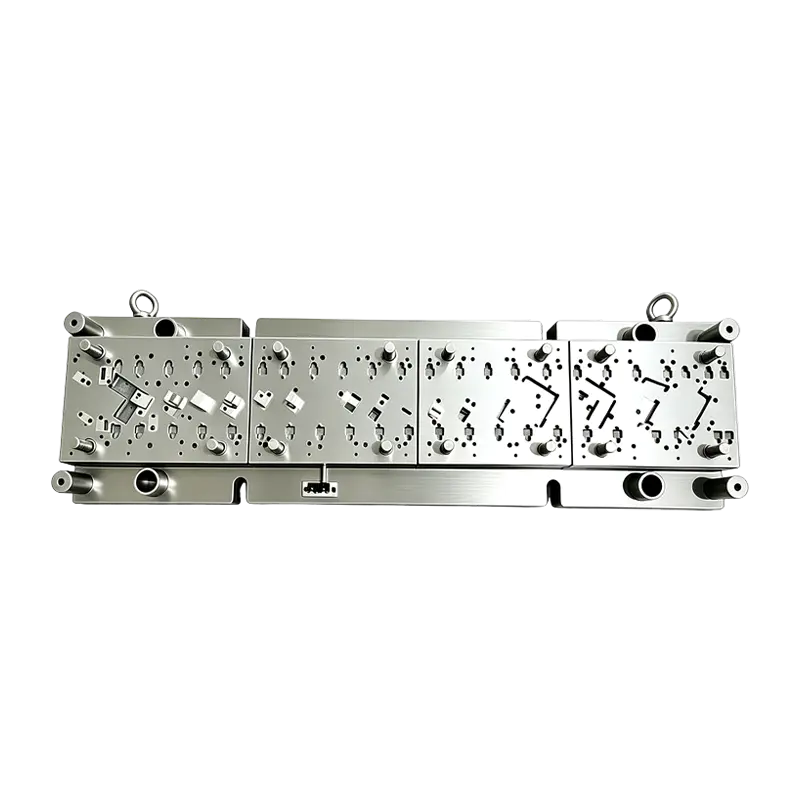
High Speed Progressive Stamping Die Sheet Metal Follow on Press Tool
Multi-operation Metal Stamping Tool for Continuous...
-
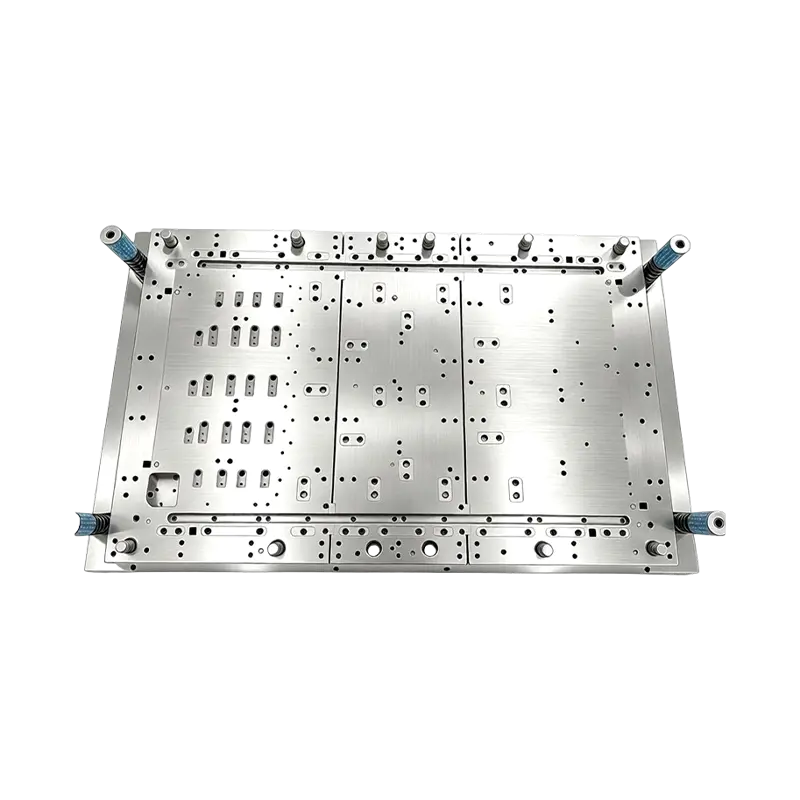
Multi-Station Progressive Stamping Die with Carbide Inserts Custom Multi Station Progressive Stamping Die Carbide Insert Metal Stamping Mold Tool for Equipment Appliances Device Hardware
High Speed Metal Stamping Tool for Precise Equipme...
-
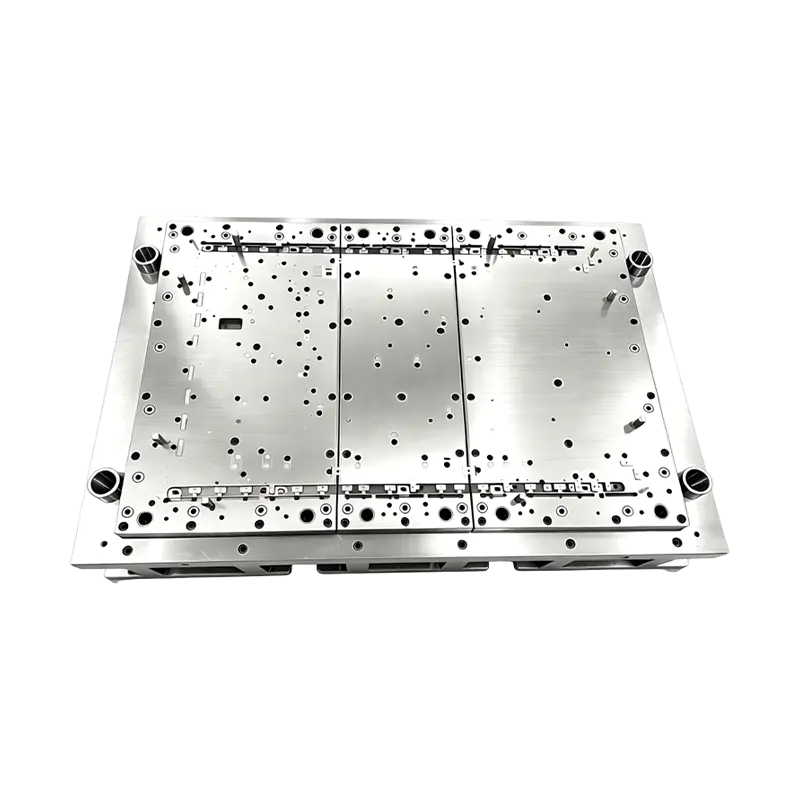
High Precision Stamping Die Multi Station Hardware Progressive Mold Tooling
Precision Metal Stamping Tool for Automotive &...
- E-mail us: [email protected]
- Call us: +86-139 1308 8972

Industry News
Metal Stamping & Drawing Parts Guide
2026-03-23
Content
- 1 What Are Metal Stamping Parts and How Are They Made
- 2 Metal Drawing Part Products: Process Principles and Capabilities
- 3 Materials Used in Metal Stamping and Drawing Operations
- 4 Metal Stamping Parts in Home Appliance Manufacturing
- 5 Automotive Applications: Safety, Precision, and Performance
- 6 Quality Control and Tolerance Management in Stamping Production
What Are Metal Stamping Parts and How Are They Made
Metal stamping parts are precision-formed metal components produced by applying controlled force through a stamping press to deform sheet metal into a defined shape using hardened tool steel dies. The process encompasses a family of operations — blanking, piercing, bending, forming, coining, and embossing — that can be performed individually in single-stage dies or combined in progressive or transfer dies that complete multiple operations in a single press stroke. The result is a component with consistent geometry, tight dimensional tolerances, and surface finish characteristics that are determined entirely by the die design rather than operator skill, making stamping one of the most repeatable and scalable metal forming processes available to manufacturers.
The economics of metal stamping parts are driven by die amortization across high production volumes. Once the tooling investment is made, the per-piece cost of stamped components decreases rapidly with volume — making stamping the dominant forming process for any application requiring thousands or millions of identical metal components. For home appliance manufacturers producing millions of units annually and automotive OEMs with model runs in the hundreds of thousands, the cost-per-part advantage of stamping over machining or casting is decisive. Consistent thickness and tight tolerances are maintained automatically by the die geometry, eliminating the dimensional variability that requires manual inspection and sorting in less precise manufacturing methods.
Metal Drawing Part Products: Process Principles and Capabilities
Metal drawing part products are produced through deep drawing — a stamping sub-process in which a flat sheet metal blank is radially drawn into a forming die by the mechanical action of a punch, creating a hollow, seamless component with a depth that exceeds its diameter. Deep drawing is the process behind cylindrical cans, cups, shells, housings, and enclosures across virtually every manufacturing industry. Unlike bending or blanking operations that shear or fold material, deep drawing plastically deforms the metal by causing controlled material flow from the flange area into the die cavity, converting flat sheet into three-dimensional form without material removal.
The quality of metal drawing part products depends on the precise management of several interacting process parameters: blank holder force, punch speed, lubrication, material ductility, and the draw ratio — the relationship between blank diameter and punch diameter. Exceeding the material's limiting draw ratio without intermediate annealing causes wrinkling, tearing, or wall thickness non-uniformity that renders the part unusable. Modern deep drawing operations use finite element simulation during die design to predict material flow and optimize process parameters before cutting any tooling, significantly reducing the development time and scrap associated with empirical trial-and-error approaches.
Key Differences Between Stamping and Deep Drawing
- Part geometry — Metal stamping parts are typically flat or shallow-formed components produced in a single press stroke, while metal drawing part products are hollow, three-dimensional shells produced through progressive material flow over one or multiple draw stages.
- Material stress state — Stamping primarily subjects material to tensile, compressive, or bending stresses in the plane of the sheet. Deep drawing creates a complex biaxial stress state — tensile in the wall, compressive in the flange — that requires materials with high elongation and low yield-to-tensile strength ratios for successful forming.
- Tooling complexity — Deep drawing dies require precise clearance control between punch and die, blank holder systems, and often multiple redraw stages for deep components, making tooling more complex and costly than equivalent-volume stamping dies for flat-formed parts.
- Surface finish requirements — Metal drawing part products used in visible applications — such as appliance housings or cosmetic packaging — require careful lubrication management and die surface finishing to prevent tool marks, galling, and orange-peel texture on the drawn surface.
Materials Used in Metal Stamping and Drawing Operations
Material selection for metal stamping parts and metal drawing part products is one of the most consequential decisions in the component development process. The chosen material must satisfy the mechanical property requirements of the application, the formability demands of the stamping or drawing process, the surface finish requirements of the finished part, and the cost constraints of the manufacturing program. The following materials account for the large majority of stamped and drawn components across industrial sectors.
| Material | Key Properties | Typical Applications |
| Low carbon steel (DC01–DC06) | Excellent formability, low cost, weldable | Appliance panels, brackets, body reinforcements |
| High-strength steel (HSS/AHSS) | High yield strength, crash energy absorption | Automotive structural and safety components |
| Galvanized / electro-galvanized steel | Corrosion resistance, paintable | Washing machine tubs, refrigerator frames |
| Stainless steel (304, 430) | Corrosion resistance, hygienic surface | Appliance inner liners, food equipment |
| Aluminum alloy (1xxx, 3xxx, 5xxx) | Lightweight, corrosion resistant | Automotive body panels, heat exchangers |
| Copper and brass | Electrical conductivity, formability | Electrical contacts, connectors, terminals |
Metal Stamping Parts in Home Appliance Manufacturing
Home appliance manufacturing is one of the largest and most demanding application sectors for metal stamping parts. Every major appliance category — refrigerators, washing machines, air conditioners, dishwashers, and cooking appliances — contains dozens to hundreds of stamped components that perform structural, functional, and aesthetic roles simultaneously. The dimensional consistency that stamping delivers is essential in appliance assembly, where components from multiple suppliers must fit together within tight assembly tolerances on high-speed production lines.
Refrigerators
Refrigerator door frames are among the most dimensionally critical stamping parts in appliance manufacturing. The door frame must maintain flatness and straightness within tight tolerances to ensure consistent contact with the door gasket across its entire perimeter — a requirement directly linked to the refrigerator's energy efficiency rating. Any dimensional deviation that creates gasket gaps results in cold air leakage, increased compressor run time, and energy consumption above the certified rating. Stamping's ability to hold these tolerances consistently across high-volume production is what makes it the only practical manufacturing method for this application.
Washing Machines
Washing machine inner tub brackets are stamping parts that must withstand significant dynamic loads — centrifugal forces during spin cycles can reach several hundred kilograms — while maintaining precise positional relationships between the tub, drum bearings, and motor assembly. The bracket's dimensional accuracy directly affects vibration balance during high-speed spinning, which in turn determines noise levels, bearing life, and structural fatigue life of the entire machine. Stamped brackets produced with consistent thickness and tight tolerances eliminate the assembly variation that would otherwise require individual balancing adjustments on each unit.
Air Conditioners
Air conditioner chassis use stamping parts for stable load-bearing and precise fitting of the compressor, fan motor, heat exchanger, and electrical components. The chassis must maintain its dimensional geometry through the mechanical stresses of transportation, installation, and years of vibration from the compressor and fan. Stamped steel chassis with consistent wall thickness provide the stiffness-to-weight ratio required for these applications without the cost of machined or cast alternatives.
Automotive Applications: Safety, Precision, and Performance
In the automotive sector, metal stamping parts are critical to safety and performance in ways that make dimensional accuracy and material integrity non-negotiable requirements. Automotive stamping specifications are among the tightest in any manufacturing industry, with dimensional tolerances on safety-critical components measured in tenths of a millimeter and material property requirements verified through statistical process control rather than sampling inspection.
Brake and Suspension Components
Brake caliper components represent some of the most demanding applications for metal stamping parts in the automotive sector. The caliper bracket and mounting hardware must maintain precise geometry to ensure correct pad alignment, even clamping force distribution, and consistent braking performance across the full range of operating temperatures and loads. Stamping's high dimensional accuracy — typically ±0.1mm or better on critical features in production tooling — meets these requirements at the volumes and costs that automotive manufacturing demands. Any deviation from specified geometry in brake components translates directly into braking performance variability that affects vehicle safety certification.
Seat Structures and Body Reinforcements
Seat brackets and body panel reinforcements rely on stamping's high dimensional accuracy to meet strict automotive safety standards in crash performance testing. Seat brackets must maintain their load path integrity under the extreme forces generated in frontal and side impact events, ensuring that occupant restraint systems function as designed. Body panel reinforcements — door intrusion beams, B-pillar inserts, and floor tunnel reinforcements — are increasingly manufactured from advanced high-strength steel stampings that absorb crash energy through controlled deformation, a behavior that depends critically on precise material thickness consistency and geometry accuracy. The versatility of metal stamping parts across these safety-critical applications makes them indispensable for reliable, cost-effective manufacturing in the automotive sector.
Quality Control and Tolerance Management in Stamping Production
Maintaining dimensional consistency across high-volume stamping production requires a systematic approach to quality control that begins with die design and continues through every stage of production. The dimensional accuracy that makes metal stamping parts valuable in assembly — reducing assembly gaps, cutting production costs, and enhancing product durability — is not an automatic outcome of the stamping process. It is the result of disciplined process control applied consistently across the full production run.
- First article inspection (FAI) — Full dimensional verification of the first production parts against the engineering drawing using coordinate measuring machines (CMM) confirms that the die produces parts within tolerance before volume production begins. FAI data provides the baseline against which subsequent production variation is measured.
- Statistical process control (SPC) — Continuous monitoring of critical dimensions during production using control charts identifies process drift before it produces out-of-tolerance parts, enabling preventive tool adjustments rather than reactive scrap generation.
- Die maintenance schedules — Progressive die wear — particularly on cutting edges, bend radii, and draw beads — directly affects part dimensions. Structured die maintenance intervals based on part count, with dimensional verification at each interval, prevent tolerance drift caused by tool wear from reaching assembled products.
- Material incoming inspection — Sheet metal thickness variation, yield strength deviation, and surface condition all affect stamping part dimensions and springback behavior. Incoming material verification against certified mill test reports and statistical sampling of physical properties prevents material-induced dimensional variation from entering the process.
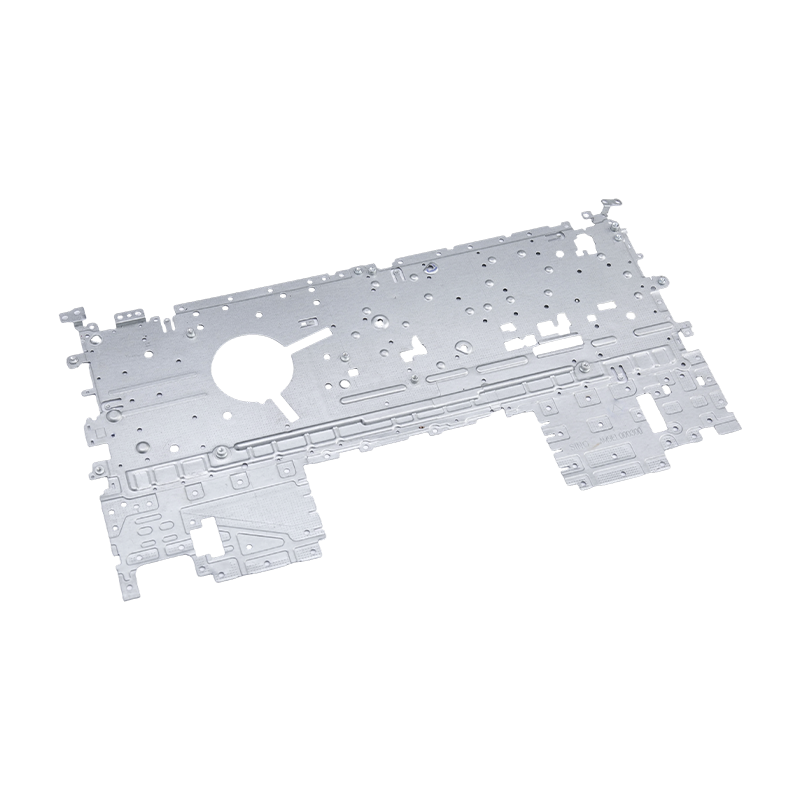
Previous Post
Guide to Deep Drawing Metal Stamping Dies for Automotive Parts
Next Post
Metal Stamping Parts for Automotive and Home Appliances: Processes, Materials and Quality Standards
Our Products.
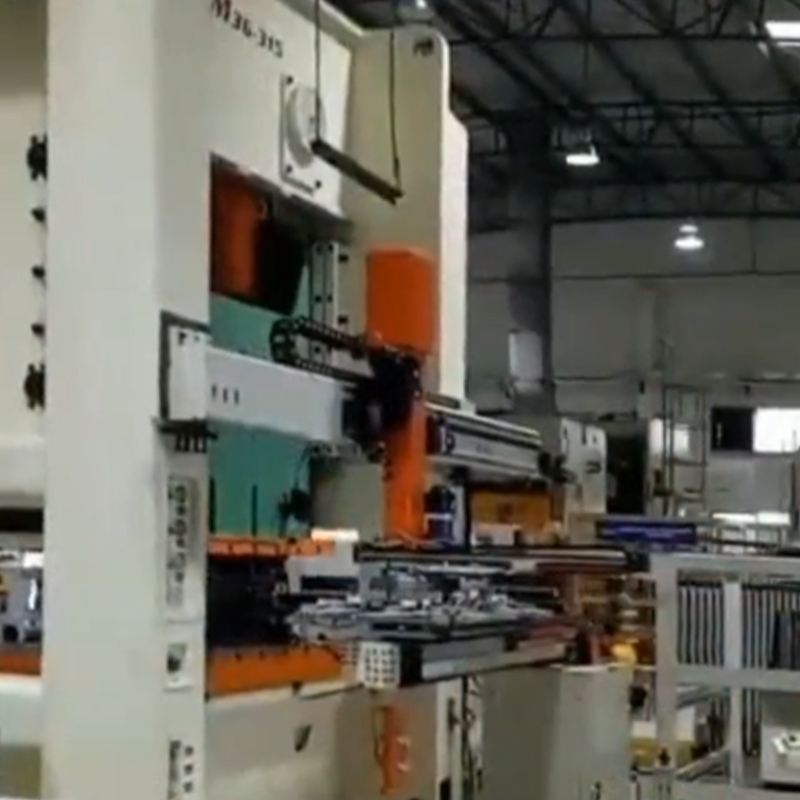
Start Your Business with an OEM Manufacturer Right Here!

Provide global customers with complete turn-key solutions
through
innovation!
QUICK LINKS
CONTACT INFO.
-
 +86-139 1308 8972
 -

-
 No. 118 Yexin Road, Wujiang Economic Development Zone, Suzhou, China
Copyright © Suzhou Shuangqisi Mold Equipment Co., Ltd. All Rights Reserved. Custom Stamping Die Metal Stamping Die Manufacturers
