 English
 Español
 Deutsch
-
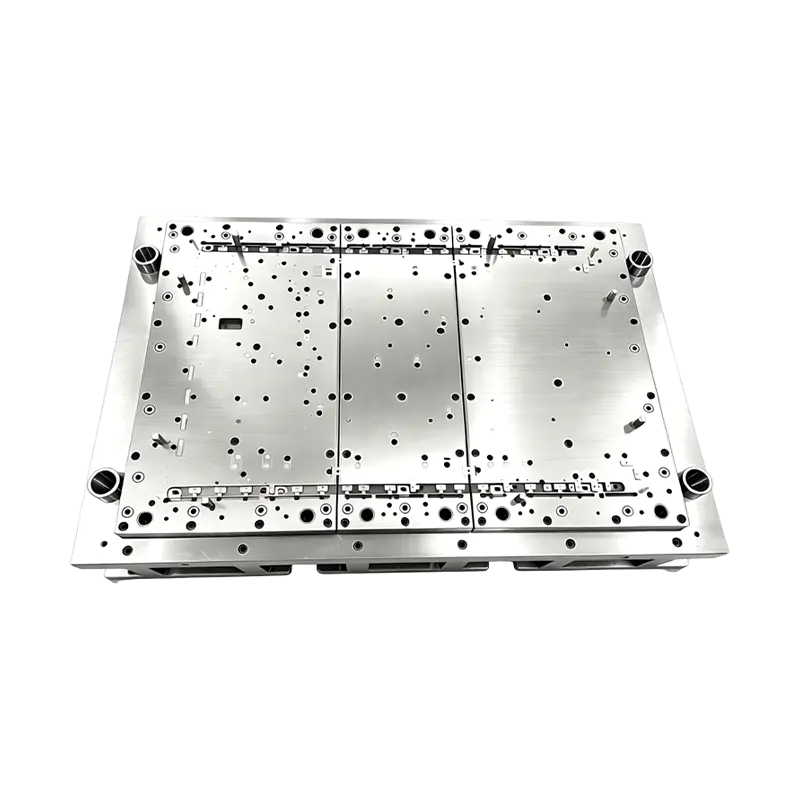
High Precision Stamping Die Multi Station Hardware Progressive Mold Tooling
Precision Metal Stamping Tool for Automotive &...
-
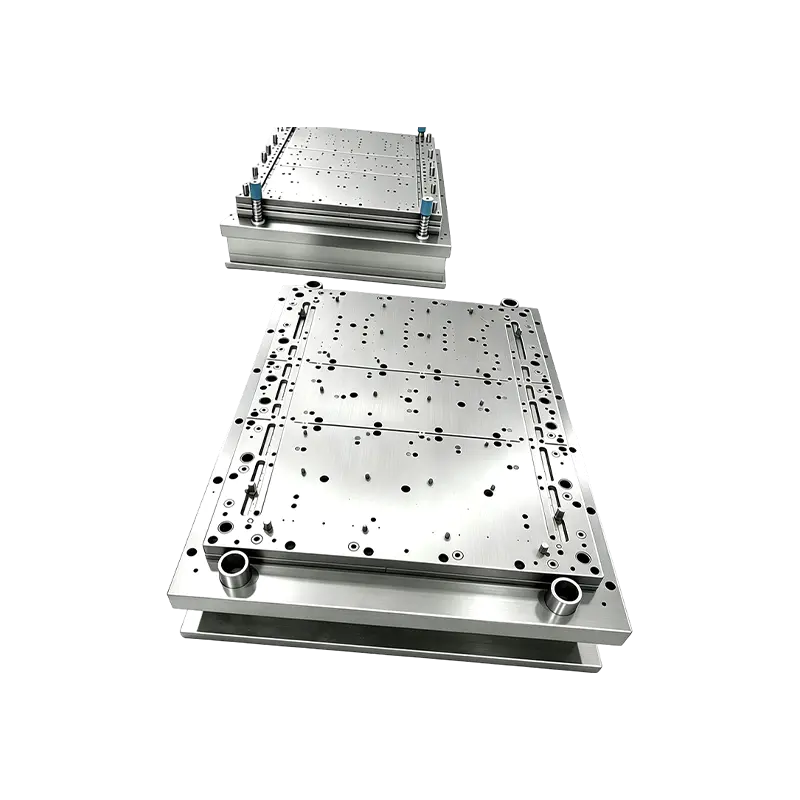
Progressive Stamping Die for Connector & Terminal Parts High Speed Progressive Stamping Die Precision Metal Hardware Stamping Tool mold for Connector Terminal Parts Automotive Components
Progressive Stamping Die for Connector & Termi...
-
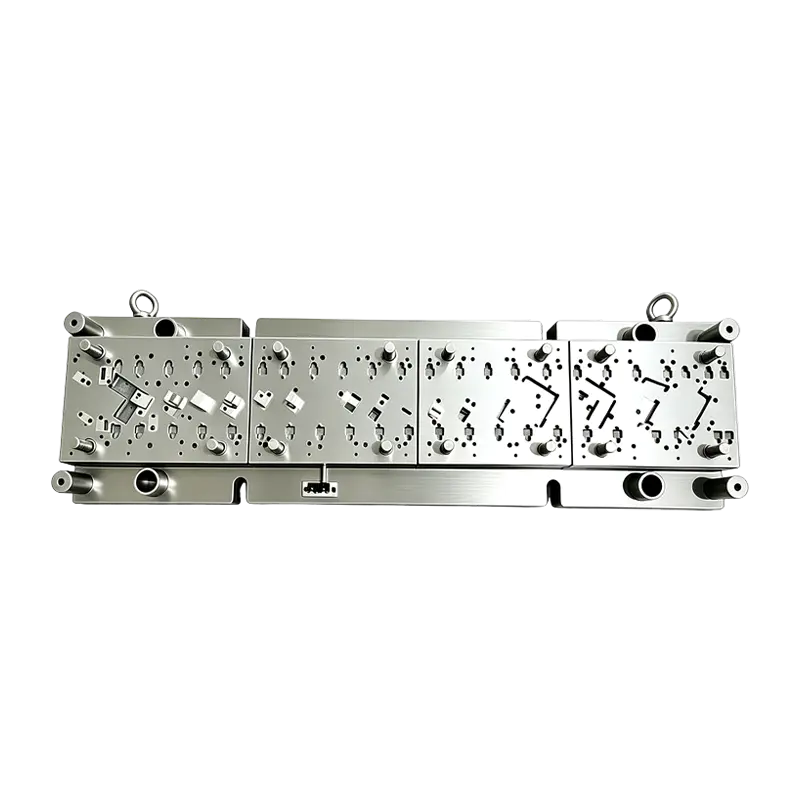
High Speed Progressive Stamping Die Sheet Metal Follow on Press Tool
Multi-operation Metal Stamping Tool for Continuous...
-
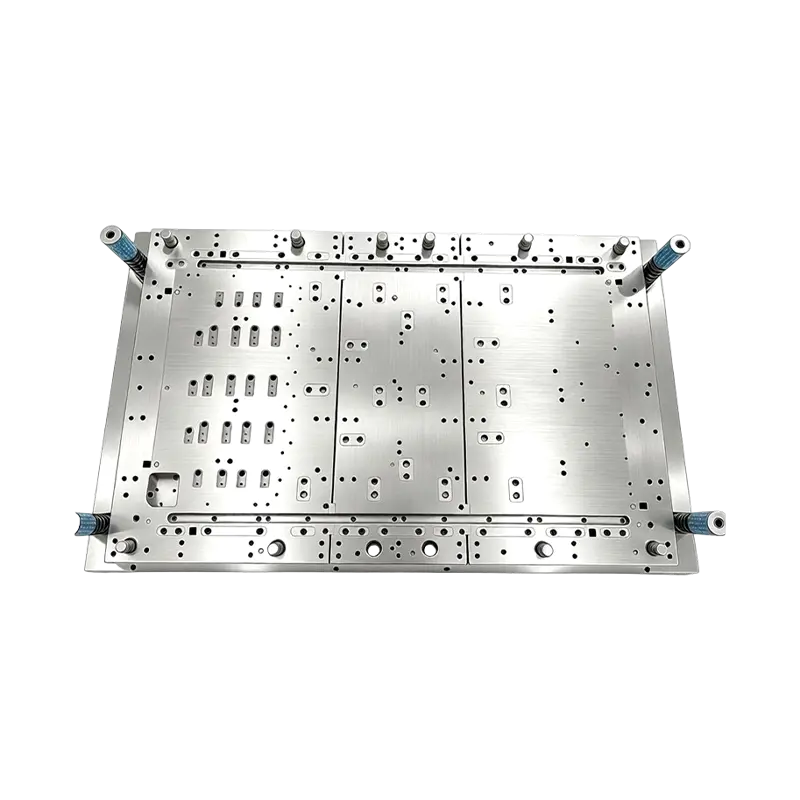
Multi-Station Progressive Stamping Die with Carbide Inserts Custom Multi Station Progressive Stamping Die Carbide Insert Metal Stamping Mold Tool for Equipment Appliances Device Hardware
High Speed Metal Stamping Tool for Precise Equipme...
-
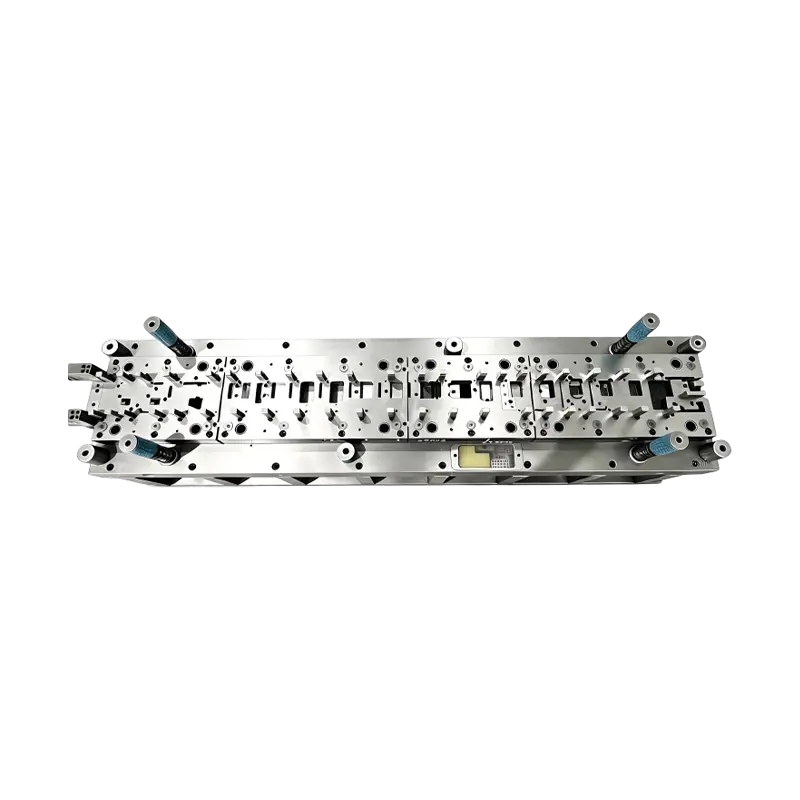
Long-Stroke Multi-Stage Progressive Die Automatic Strip Feed Progressive Die Long Travel Follow on Stamping Tool for Sheet Metal Hardware Press Moulding
Long-Stroke Multi-Stage Progressive DieOur custom ...
- E-mail us: [email protected]
- Call us: +86-139 1308 8972

Industry News
Home / News / Industry News / Precision Stamping Dies for Electronics & Home Appliances: High-Efficiency Manufacturing Solutions in 2026
Precision Stamping Dies for Electronics & Home Appliances: High-Efficiency Manufacturing Solutions in 2026
2026-04-07
Content
Precision Engineering in Electronic Stamping Dies
Electronic Stamping Dies represent the pinnacle of precision tooling for manufacturing miniature electronic components. Constructed from hardened tool steel or tungsten carbide, these dies withstand millions of cycles while maintaining micron-level tolerances critical for connector pins, shield cans, and lead frames. The gap between punch and die is meticulously controlled at 5%-10% of material thickness, ensuring clean shearing without burrs that could compromise electrical contact or assembly fit. This precision engineering extends to guide pin alignment, stripper plate dynamics, and spring-loaded ejector systems that guarantee consistent part ejection without deformation.
Critical Tolerances and Material Specifications
- Tungsten carbide inserts provide exceptional wear resistance for high-volume production of copper alloy terminals, extending die life beyond 10 million strokes before refurbishment.
- Precision ground guide bushings with 0.002mm clearance maintain punch-die alignment under high-speed operation, preventing lateral deflection that causes dimensional variation.
- Surface coatings like TiN or DLC reduce friction and galling when stamping stainless steel or phosphor bronze, preserving edge quality and reducing maintenance frequency.
Material selection for Electronic Stamping Dies directly impacts part quality and production economics. For thin-gauge copper alloys used in smartphone connectors, fine-grain carbide minimizes edge chipping during blanking operations. When processing thicker steel sheets for appliance chassis components, alloy tool steels with deep-hardening properties provide the toughness needed to withstand impact loads without catastrophic failure. Engineers must balance hardness, toughness, and wear resistance based on specific application requirements to optimize both die performance and component quality.
Applications Across Home Appliance and Electronics Manufacturing
Home Appliance Stamping Dies enable mass production of structural and functional components for refrigerators, washing machines, air conditioners, and kitchen appliances. These dies process galvanized steel, aluminum, and pre-coated metals into brackets, hinges, control panel frames, and motor housings with consistent dimensional accuracy. The robust design of appliance stamping tools accommodates thicker materials and higher tonnage requirements while maintaining the surface finish needed for subsequent painting or powder coating processes. Integration of pierce forms, embossing stations, and curling operations within single dies reduces secondary processing steps and overall manufacturing cost.
| Component Type | Typical Application | Material & Gauge |
| Electrical Terminals | Power cords, internal wiring harnesses | Brass, phosphor bronze 0.2-0.8mm |
| Shield Cans | EMI protection for circuit boards | Cold-rolled steel, nickel silver 0.15-0.4mm |
| Appliance Brackets | Motor mounts, panel supports | Galvanized steel, aluminum 1.0-3.0mm |
Design Considerations for Complex Geometries
Manufacturing intricate electronic components like multi-pin connectors or flexible lead frames requires sophisticated die designs that incorporate cam actions, lifters, and precision pilots. Home Appliance Stamping Dies for decorative trim pieces or ergonomic handles often integrate texture embossing and edge curling within the same tool to eliminate secondary operations. Advanced simulation software validates material flow, springback compensation, and stress distribution before tool fabrication, reducing trial-and-error iterations and accelerating time-to-market for new product launches.
Progressive Dies and Automation for Mass Production
Multi-station progressive dies represent the most efficient solution for high-volume production of Electronic Stamping Dies components. A single press stroke advances material through multiple workstations that perform blanking, piercing, forming, and cutoff operations sequentially, producing finished parts with each cycle. This approach eliminates manual handling between operations, reduces work-in-process inventory, and achieves production rates exceeding 1,000 parts per minute for simple terminals. Precision feeders with servo-driven pitch control ensure consistent strip advancement within ±0.05mm, critical for maintaining registration across complex progressive sequences.
- Integrated sensors monitor strip position, part ejection, and tonnage variations in real-time, enabling immediate detection of misfeeds or tool wear before defective parts are produced.
- Quick-change die systems with standardized mounting plates and pneumatic clamping reduce changeover time from hours to minutes, supporting flexible manufacturing of mixed component families.
- Automated lubrication systems deliver precise micro-doses of stamping oil to cutting edges and forming surfaces, extending tool life while minimizing post-stamping cleaning requirements.
Optimizing Production Efficiency with Smart Controls
Modern Electronic Stamping Dies integrate with Industry 4.0 manufacturing ecosystems through IoT-enabled monitoring and predictive analytics. Pressure sensors embedded in die shoes capture tonnage signatures for each stroke, establishing baseline profiles that detect subtle changes indicating punch wear, material variation, or lubrication issues. Machine learning algorithms analyze this data to predict maintenance needs before quality deviations occur, shifting from reactive repairs to proactive optimization. For Home Appliance Stamping Dies producing safety-critical components like door latch mechanisms, this intelligent monitoring provides documented process validation essential for regulatory compliance and quality audits.
Maintenance Strategies and Lifecycle Management
Proper maintenance of Home Appliance Stamping Dies and Electronic Stamping Dies directly impacts part quality, production uptime, and total cost of ownership. A structured maintenance program includes daily cleaning to remove metal fines and lubricant residue, weekly inspection of cutting edges for chipping or wear, and monthly verification of guide pin clearance and spring pressure. Documented maintenance logs track component replacement intervals and performance trends, enabling data-driven decisions about refurbishment versus replacement. Investing in preventive maintenance typically extends die life by 30-50% compared to run-to-failure approaches while maintaining consistent part quality throughout the tool's service life.
| Maintenance Activity | Frequency | Impact on Performance |
| Cutting edge inspection & sharpening | Every 500K-2M strokes | Maintains burr-free edges, reduces press tonnage requirements |
| Guide pin/bushing clearance check | Monthly or 1M strokes | Prevents lateral deflection, ensures dimensional consistency |
| Spring pressure verification | Quarterly or 3M strokes | Ensures reliable part ejection, prevents double-hit defects |
Extending Service Life Through Material and Coating Selection
Strategic selection of die materials and surface treatments significantly enhances the longevity of both Home Appliance Stamping Dies and Electronic Stamping Dies. For abrasive materials like stainless steel or pre-coated metals, carbide inserts with polished surfaces reduce adhesive wear and galling. Diamond-like carbon (DLC) coatings provide exceptional hardness and low friction coefficients, particularly beneficial for high-speed stamping of copper alloys where heat buildup accelerates wear. When refurbishing worn dies, laser cladding techniques rebuild cutting edges with wear-resistant alloys while preserving the original tool geometry, offering a cost-effective alternative to complete replacement. These material science advances, combined with disciplined maintenance practices, ensure that precision stamping tools deliver consistent performance throughout extended production campaigns while minimizing total manufacturing costs.
Previous Post
Why Aluminum Alloy Is Replacing Steel in Electronic Stamping Parts?
Next Post
Guide to Deep Drawing Metal Stamping Dies for Automotive Parts
Our Products.
Start Your Business with an OEM Manufacturer Right Here!

Provide global customers with complete turn-key solutions
through
innovation!
QUICK LINKS
CONTACT INFO.
-
 +86-139 1308 8972
 -

-
 No. 118 Yexin Road, Wujiang Economic Development Zone, Suzhou, China
Copyright © Suzhou Shuangqisi Mold Equipment Co., Ltd. All Rights Reserved. Custom Stamping Die Metal Stamping Die Manufacturers
