 English
 Español
 Deutsch
-
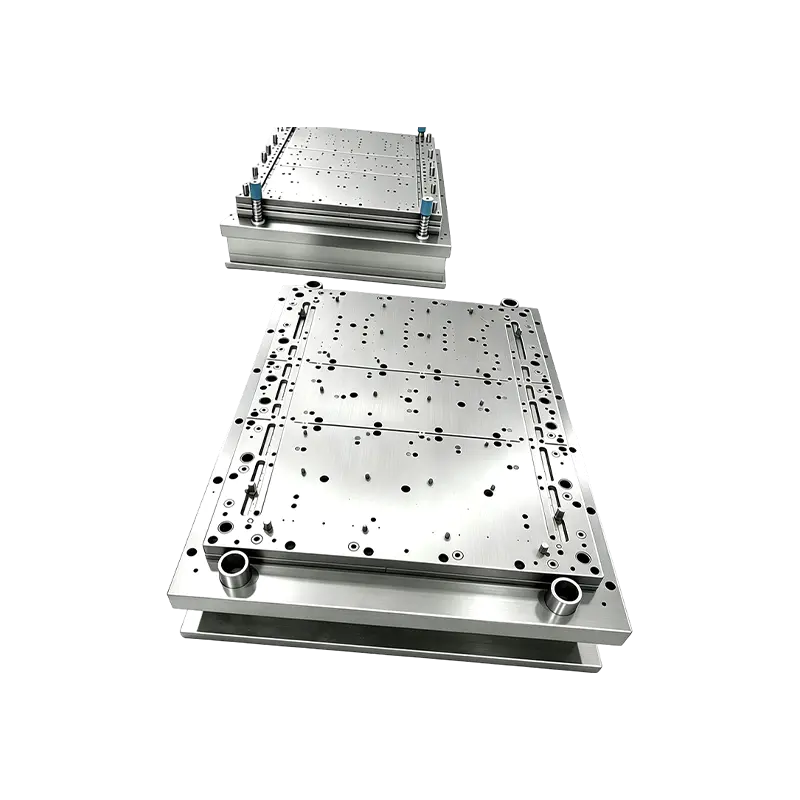
Progressive Stamping Die for Connector & Terminal Parts High Speed Progressive Stamping Die Precision Metal Hardware Stamping Tool mold for Connector Terminal Parts Automotive Components
Progressive Stamping Die for Connector & Termi...
-
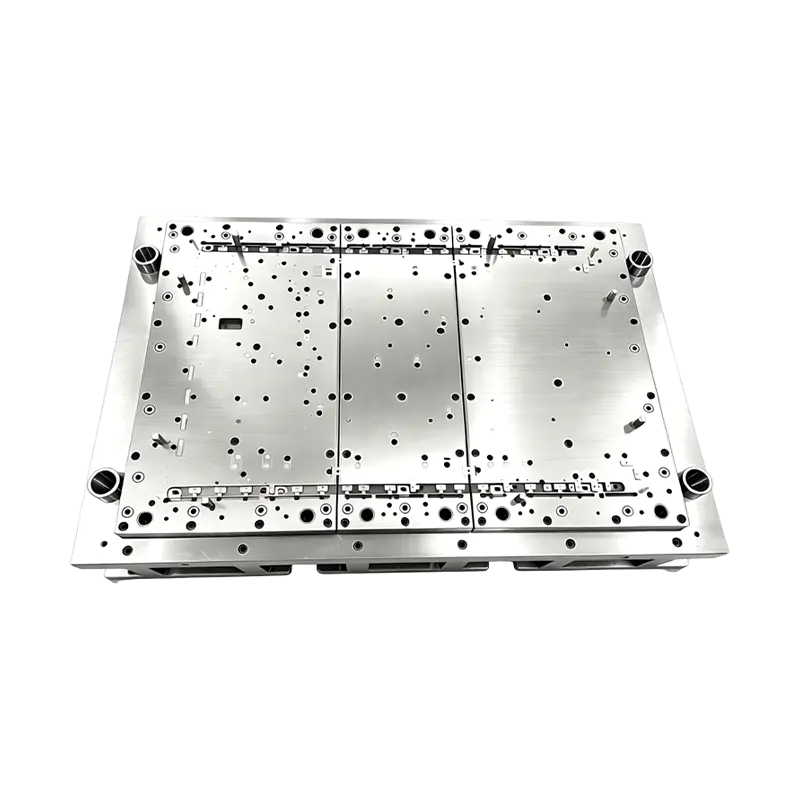
High Precision Stamping Die Multi Station Hardware Progressive Mold Tooling
Precision Metal Stamping Tool for Automotive &...
-
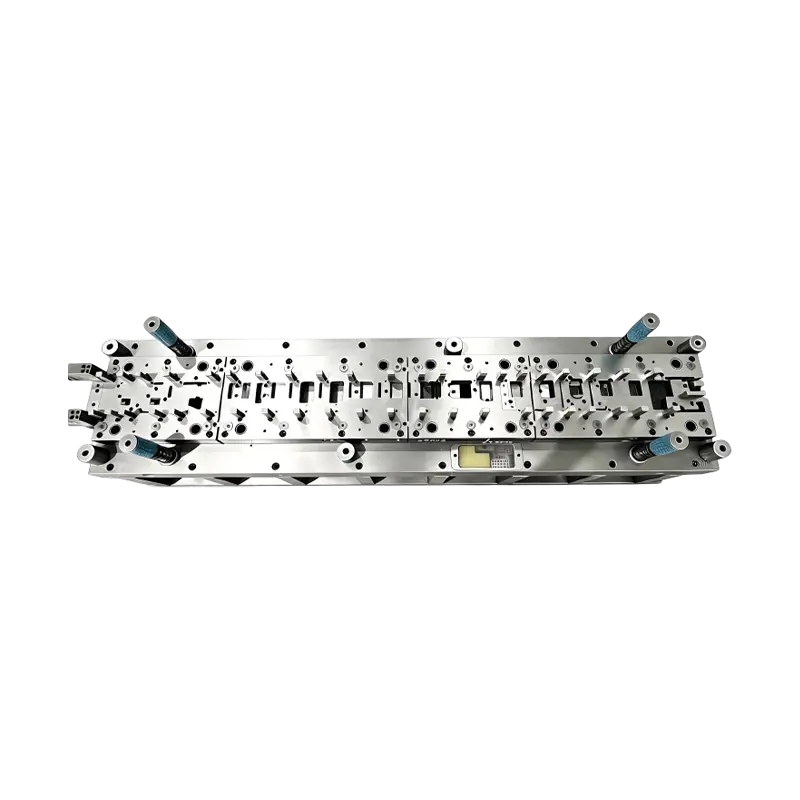
Long-Stroke Multi-Stage Progressive Die Automatic Strip Feed Progressive Die Long Travel Follow on Stamping Tool for Sheet Metal Hardware Press Moulding
Long-Stroke Multi-Stage Progressive DieOur custom ...
-
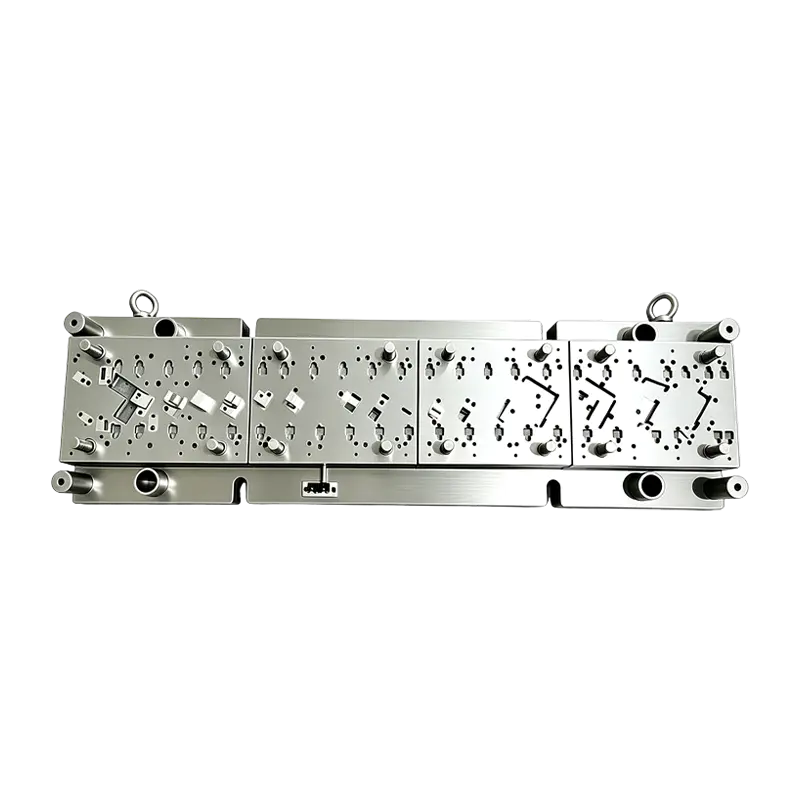
High Speed Progressive Stamping Die Sheet Metal Follow on Press Tool
Multi-operation Metal Stamping Tool for Continuous...
-
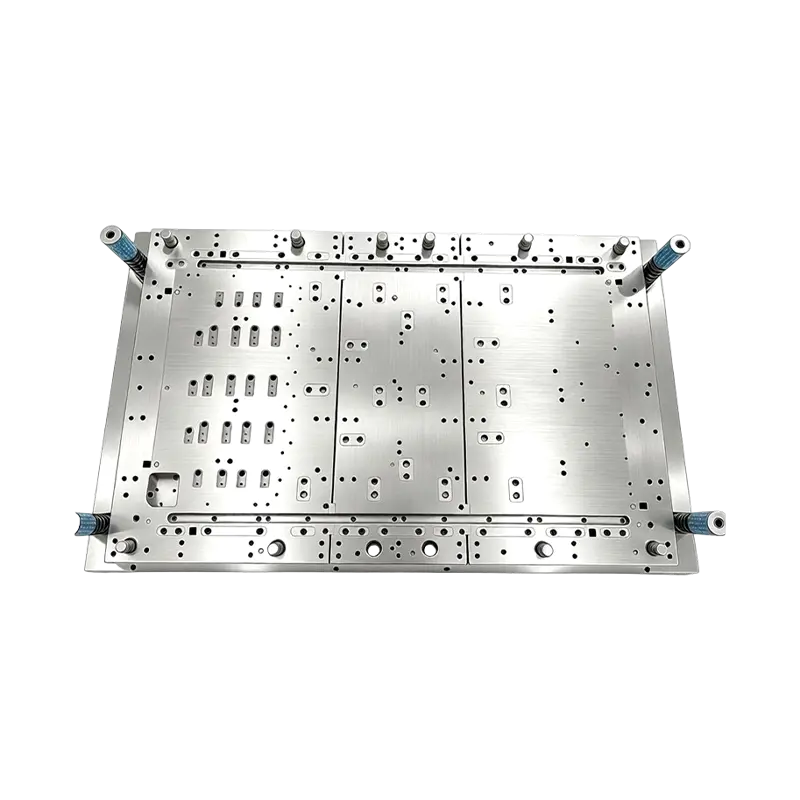
Multi-Station Progressive Stamping Die with Carbide Inserts Custom Multi Station Progressive Stamping Die Carbide Insert Metal Stamping Mold Tool for Equipment Appliances Device Hardware
High Speed Metal Stamping Tool for Precise Equipme...
- E-mail us: [email protected]
- Call us: +86-139 1308 8972

Industry News
Home / News / Industry News / Metal Stamping Process: How Tooling, Die Design, and Automation Influence Part Cost
Metal Stamping Process: How Tooling, Die Design, and Automation Influence Part Cost
2026-09-01
A procurement manager comparing three stamped part quotes from different suppliers will often see a 25 to 35 percent price spread for the same drawing. The difference is rarely in the base material cost. It comes from how the metal stamping process is planned, tooled, and automated.
The process itself converts flat sheet metal into finished components using a press, a die set, and a controlled feed system. It looks simple, but the choices made before the press runs will influence the cost of every part for years.
Key insight: The most valuable opportunity in a metal stamping project is not press speed or cycle time. It is how you define the boundary conditions for die design, material specification, and production throughput.
Content
- 1 Core Principles of the Metal Stamping Process
- 2 Process Comparison: Which Stamping Approach Fits Your Volume and Tolerances?
- 3 Hidden Metrics: Where Quality Loss Actually Happens
- 4 Industry Application Distribution Across Stamping
- 5 Selection Guide: From Drawing to Press-Ready Tooling
- 6 Maintenance and Compliance Considerations
Core Principles of the Metal Stamping Process
Every stamping line follows a repeating sequence. Coil or blank material is fed into a press, the die closes, forming or blanking occurs, and the part is ejected. Each step introduces a variable that can affect dimensional stability, but the largest influences are decided in the die design phase.
How the Metal Behaves in the Die
When a sheet is compressed and stretched beyond its yield point, the material wants to return to its original shape. This springback behavior is predictable only when the tool compensates for it. Grain direction matters as well: a small bend radius can create fractures in a longitudinal orientation unless the bend allowance is recalculated.
Die Types and Their Tradeoffs
Progressive dies run multiple operations in one feed cycle. Transfer dies move the part from station to station with a mechanical or robotic transfer system. Deep drawing dies produce cups, housings, and motor shells over multiple draws. A responsible supplier will model each option against your annual volume and tolerance requirements.
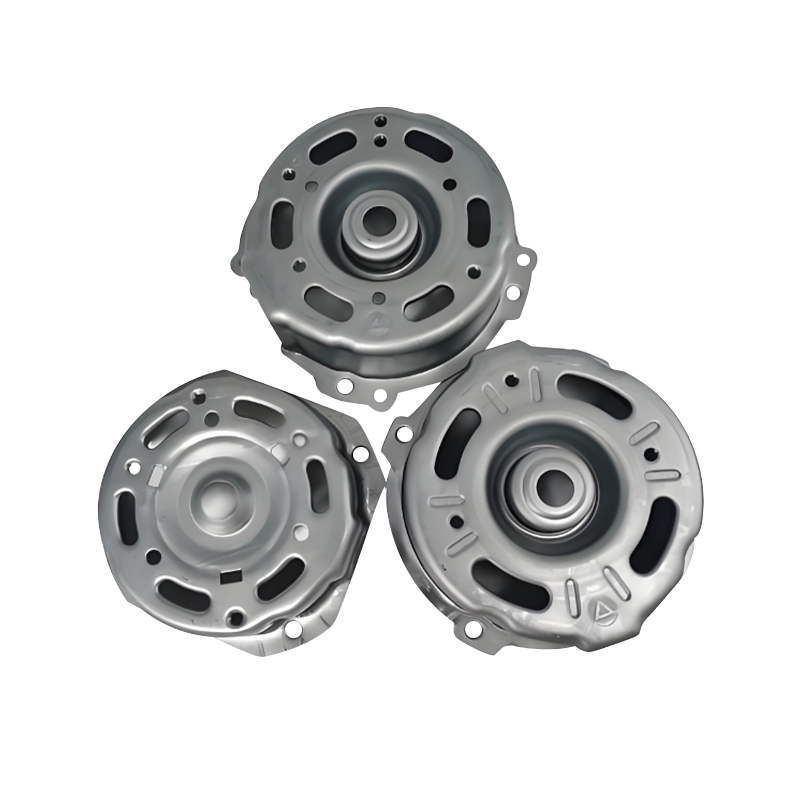 Precision Automotive Motor Housing Stampings for Structural StabilityThese high-strength steel or aluminum housings ensure tight tolerances and vibration resistance, making them a dependable choice for protecting motors in demanding automotive environments.View Product →
For a deeper look at the consequences of this choice, read a practical comparison of progressive versus transfer stamping.
Four Variables That Decide Part Quality
Die precision
The die clearance and guide clearance determine edge quality. A clearance change of 0.02 mm can create a measurable difference in burr height and tool life.
Lubrication
A consistent lubricant film lowers friction and keeps the material flowing. Inadequate lubrication causes scoring and excessive heat generation.
Material thickness variation
A tolerance band from a steel mill of +/−0.05 mm can alter forming pressure requirements. If the supplier compensates correctly, the output remains stable.
Automation alignment
Feeders and transfer mechanisms need to coordinate with the press stroke. Misaligned feed timing can cause part-to-part variation and unplanned downtime.
Process Comparison: Which Stamping Approach Fits Your Volume and Tolerances?
Selection is not purely about the cheapest die. It depends on the mix of annual volume, desired tolerance, and how many secondary operations you are willing to pay for.
Table 1: Simplified comparison of common metal stamping approaches.
Metric
Progressive
Transfer
Deep Draw
Tooling cost
Medium
High
Highest
Material utilization
Good
Excellent
Fair
Dimensional consistency
Very high
High
Medium-high
Typical batch size
10,000+
5,000+
1,000+
Lead time
4-8 weeks
6-12 weeks
8-16 weeks
Operator involvement
Low
Medium
High
For high-volume automotive and electronic components, progressive stamping usually has the lowest cost per part. Transfer stamping becomes attractive for large, deep parts that need to be turned between operations. Deep drawing remains the default for motor housings and battery covers where roundness and wall thickness are critical.
Hidden Metrics: Where Quality Loss Actually Happens
Most production reports focus on the final defect rate. The hidden cost of quality loss is found by analyzing internal rejection data across similar stamped parts. The pattern below is representative of medium-batch and large-batch stamping plants.
Die wear 38%
Material variance 21%
Feed misalignment 15%
Operator handling 12%
Lubrication issues 9%
Other 5%
Die wear is the largest controllable factor. By monitoring the blanking clearance trend and implementing scheduled die maintenance, a plant can usually reduce scrap by 15 to 20 percent. Material variance is harder to control, but it can be limited by specifying tighter coil thickness tolerance and storing coils under stable temperature and humidity.
Industry Application Distribution Across Stamping
The metal stamping process serves very different requirements depending on the final component. In automotive and new energy vehicles, stamping suppliers handle structural parts, seat frames, motor housings, battery covers, and copper busbars. In electronics and home appliances, parts like high-end oven housings or laptop components emphasize surface appearance and tight tolerances. Industrial automation and compressors demand consistent repeatability over long production runs.
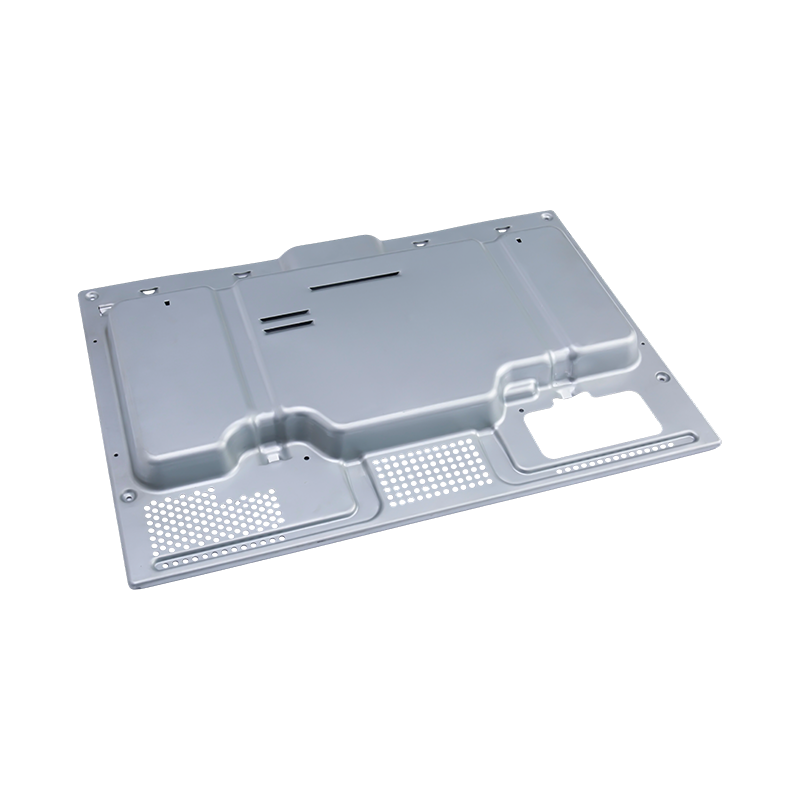 Heat-Resistant Oven Stamping Parts with Precision Surface FinishCrafted from heat-resistant alloys and finished with anti-rust coatings, these components withstand high temperatures while meeting food-grade standards, ideal for premium oven applications.View Product →
- Automotive & new energy vehicles - 46%
- Electronics & appliances - 27%
- Industrial equipment - 17%
- Other sectors - 10%
For battery and electric motor components, mechanical properties matter more than appearance.
 High-Conductivity Copper Busbar Stampings for EV Power SystemsMade from high-purity copper with precise blanking, these busbars minimize energy loss and handle high currents, essential for reliable power distribution in electric vehicles.View Product →
A copper busbar with excessive burr height can cause local stress concentrations in the assembly, so tool maintenance and blanking clearance receive special attention.
Selection Guide: From Drawing to Press-Ready Tooling
Choosing a stamping partner is often more about process discipline than price. The following step card shows a proven route from drawing release to stable mass production, including the automation handoff.
1. Design & Feasibility Review
The part drawing is reviewed with focus on bend radii, material thickness, and tolerance stack. A DFM report is issued before tool steel is ordered.
2. Die Design & Simulation
The die design is built around springback compensation and strip layout. Simulation software is used to predict material flow and tonnage.
3. Material Selection & Tryout
Coil thickness, yield strength, and surface finish are qualified with the steel mill. The tryout press run verifies that the first part meets drawing requirements.
4. Automation & Press Integration
Feeders, destackers, and transfer mechanisms are linked to the press sequence. The supplier can extend this step into a full stamping automation line with part ejection and inspection.
5. Sampling, PPAP, and Mass Production
Dimensional and capability studies are completed on a defined sample size. Once approved, the production line runs under process control with regular die maintenance stops.
This route is particularly important when a customer expects a turnkey solution. A supplier that can manage die design, stamping output, and automation equipment under one roof reduces the interfaces that usually cause project delays.
Maintenance and Compliance Considerations
Even a well-designed tool loses its precision with every stroke. The practical reality is that productivity depends more on scheduled maintenance than on the press brand. A reliable maintenance program includes guide clearance checks, cutting edge inspection, lubrication tank analysis, and die storage with rust-preventive coating.
On the production side, inspection of the stamped part should be tied to mill certificate data. An unexpected shift in material thickness or yield strength should trigger a new sampling run, not an immediate adjustment to the press settings.
Compliance requirements usually span three areas: product traceability, occupational safety, and environmental handling of lubricants and coil scrap. The supplier must maintain batch records and keep them available for review. Protective barriers, light curtains, and reset procedures are standard on modern presses. Waste oil, used lubricant, and coil ends need a documented disposal flow.
A stamping partner that treats these topics as part of the quotation shows that the process is under control. That is the level of discipline a buyer should expect when the part will be used in automotive, appliance, or industrial equipment applications.
Previous Post
Metal Stamping Explained: The Complete Guide to Process, Materials, and Cost
Next Post
Metal Stamping for Automotive: Process, Applications, and Supplier Selection
Our Products.
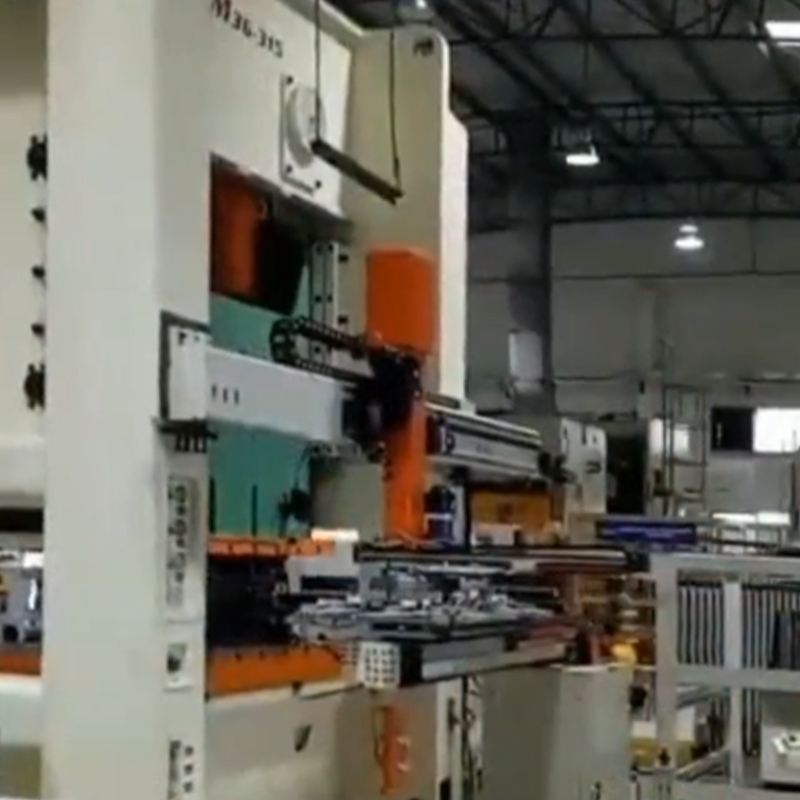
Start Your Business with an OEM Manufacturer Right Here!

Provide global customers with complete turn-key solutions
through
innovation!
QUICK LINKS
CONTACT INFO.
-
 +86-139 1308 8972
 -

-
 No. 118 Yexin Road, Wujiang Economic Development Zone, Suzhou, China
Copyright © Suzhou Shuangqisi Mold Equipment Co., Ltd. All Rights Reserved. Custom Stamping Die Metal Stamping Die Manufacturers
