 English
 Español
 Deutsch
-
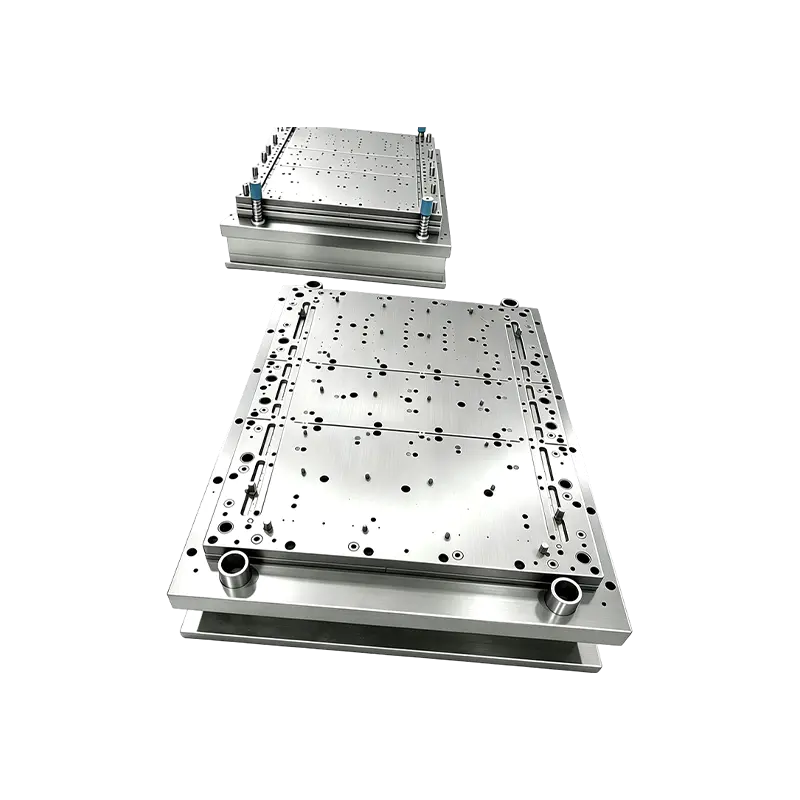
Progressive Stamping Die for Connector & Terminal Parts High Speed Progressive Stamping Die Precision Metal Hardware Stamping Tool mold for Connector Terminal Parts Automotive Components
Progressive Stamping Die for Connector & Termi...
-
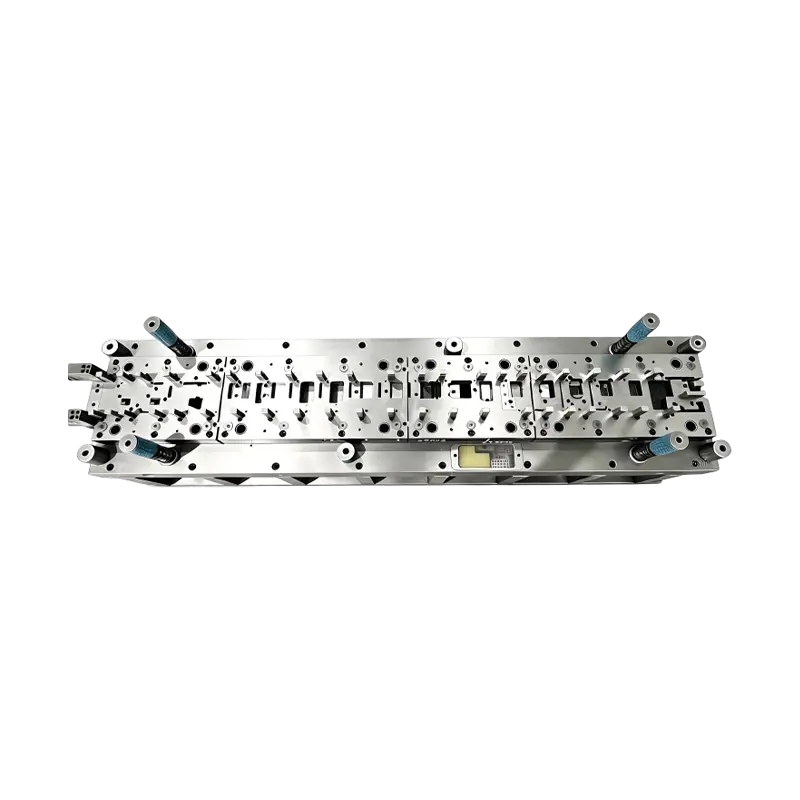
Long-Stroke Multi-Stage Progressive Die Automatic Strip Feed Progressive Die Long Travel Follow on Stamping Tool for Sheet Metal Hardware Press Moulding
Long-Stroke Multi-Stage Progressive DieOur custom ...
-
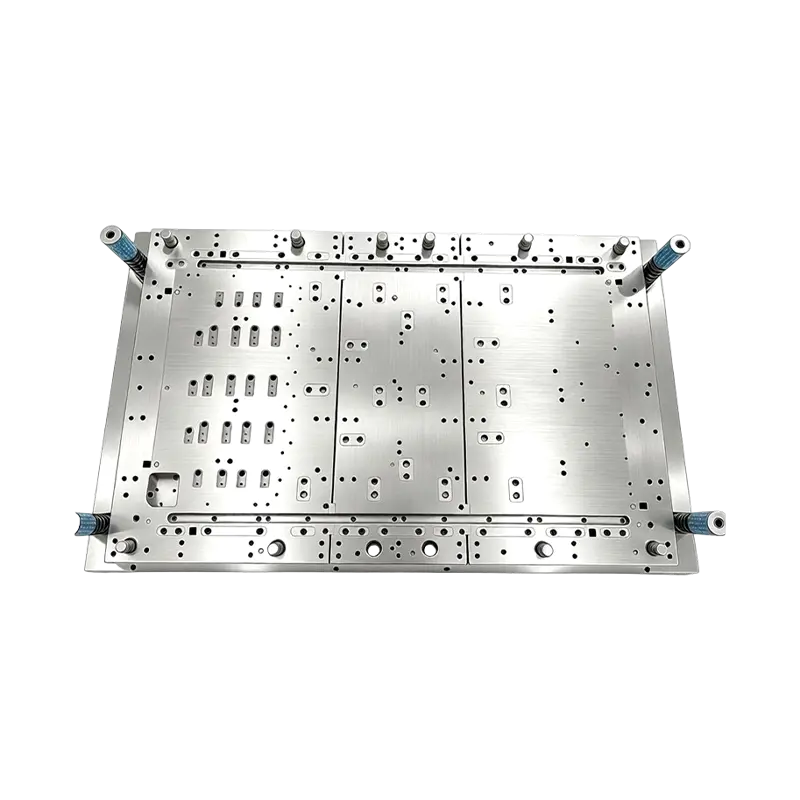
Multi-Station Progressive Stamping Die with Carbide Inserts Custom Multi Station Progressive Stamping Die Carbide Insert Metal Stamping Mold Tool for Equipment Appliances Device Hardware
High Speed Metal Stamping Tool for Precise Equipme...
-

Deep drawing mold for front and rear wheels of two-wheeled electric vehicles
This Deep drawing mold for front and rear wheels o...
-
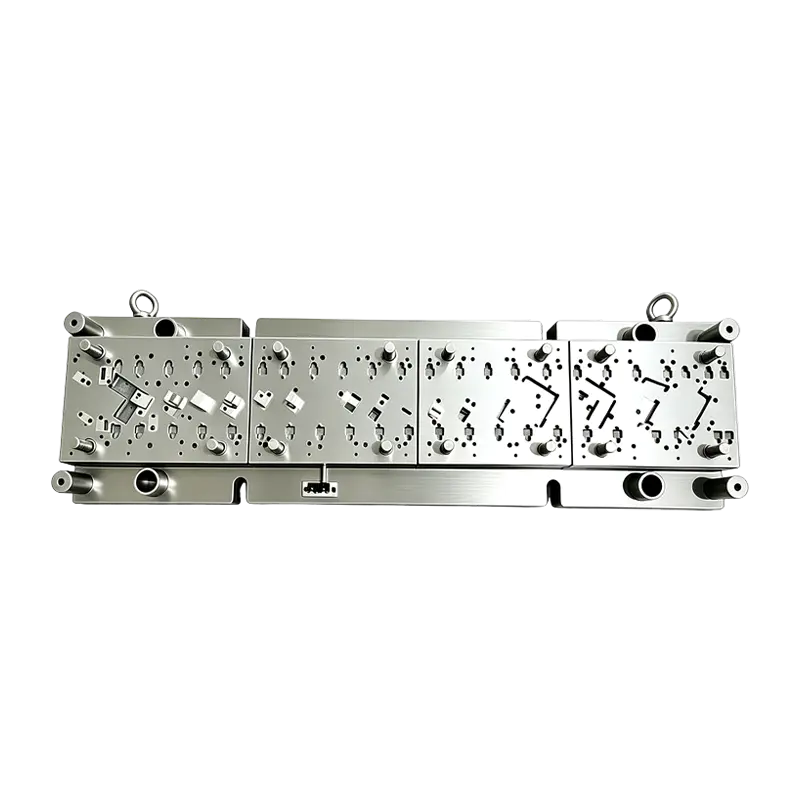
High Speed Progressive Stamping Die Sheet Metal Follow on Press Tool
Multi-operation Metal Stamping Tool for Continuous...
-
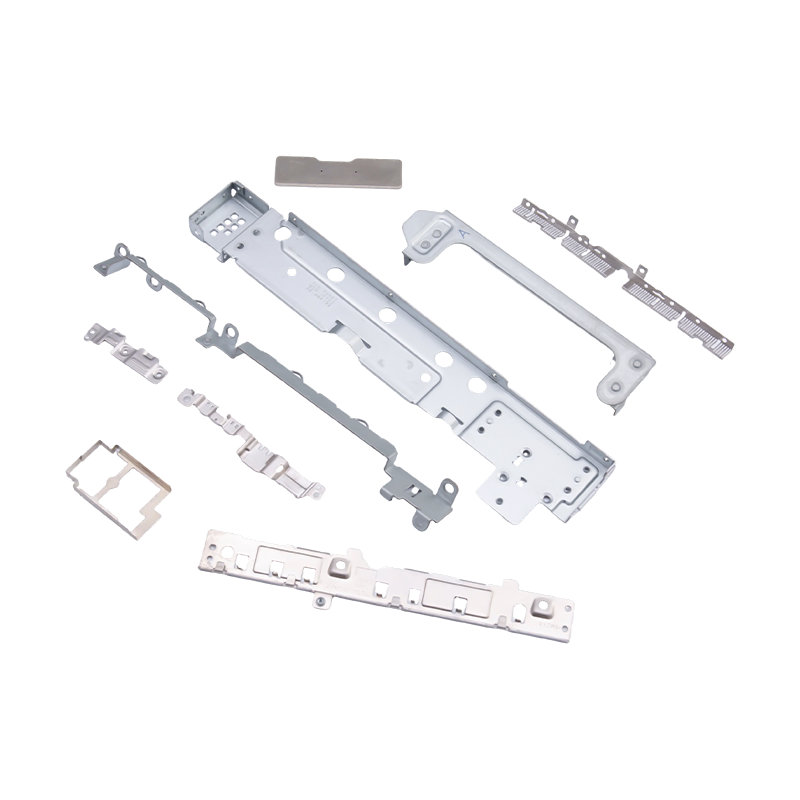
Small stamped parts for laptops and mobile phones
As essential internal components for modern portab...
- E-mail us: [email protected]
- Call us: +86-139 1308 8972

Industry News
Home / News / Industry News / Metal Stamping for Automotive: Process, Applications, and Supplier Selection
Metal Stamping for Automotive: Process, Applications, and Supplier Selection
2026-08-20
When a new vehicle model moves from CAD to production, the body shop typically receives several hundred different stamped parts. From door inner panels to motor housings and battery covers, metal stamping for automotive determines how fast the line runs, how much the vehicle weighs, and how well safety structures absorb impact. The process looks simple — feed coil into press, form with tooling, remove part — but each step hides decisions that affect cost over the entire model lifecycle.
The crucial takeaway for purchasing and engineering teams is this: the right stamping partner delivers value through die design, process consistency, and automation integration, not merely through the lowest unit price. A miscalculation in tooling design or steel selection can show up as cracks, springback, or burrs after thousands of parts have been produced.
Core conclusion: Evaluate automotive metal stamping suppliers on die engineering, material knowledge, quality control, and automation capability. Those factors determine long-run cost per part and on-time delivery more than the initial tooling quote.
Content
How Automotive Metal Stamping Works
Metal stamping is a cold-forming process that uses a large press and a pair of die halves to convert flat sheet metal into three-dimensional shapes. The press applies force, the die controls material flow, and the resulting part is ejected. In automotive applications, three operations dominate: blanking, bending, and deep drawing.
Speed
Modern servo presses can run more than 20 strokes per minute for simple parts.
Modern servo presses can run more than 20 strokes per minute for simple parts.
Precision
Progressive dies hold tolerances within ±0.1 mm for critical safety parts.
Progressive dies hold tolerances within ±0.1 mm for critical safety parts.
Material yield
Optimized nests can reduce scrap below 15% in many cases.
Optimized nests can reduce scrap below 15% in many cases.
Automotive stamping parts today are made from aluminum, low-carbon steel, and advanced high-strength steels. AHSS creates weight-saving opportunities but demands higher press tonnage and more carefully designed dies to prevent springback.
Key Stamping Technologies and Their Trade-offs
Choosing the right process is a balancing act between part complexity, volume, and tooling cost. For vehicle components, three methods dominate.
Process
Typical Parts
Tolerances
Material Utilization
Production Speed
Progressive die stamping
Brackets, connectors, small structural parts
±0.05–0.1 mm
70–85%
20–50 spm
Deep drawing
Fuel tanks, motor housings, battery enclosures
±0.1–0.3 mm
60–70%
6–15 spm
Transfer stamping
Large body panels, chassis rails
±0.2–0.5 mm
65–75%
5–10 spm
Table 1. Comparison of common automotive stamping processes.
Progressive dies are ideal for high-volume small parts because multiple stations perform cutting, forming, and trimming in one pass. Many automotive suppliers use progressive molds for automotive parts to hold tight tolerances at high speed. Deep drawing handles deep, seamless shapes and is widely used for EV battery covers and motor housings. Transfer presses offer greater flexibility for large panels but require more floor space and higher press investment.
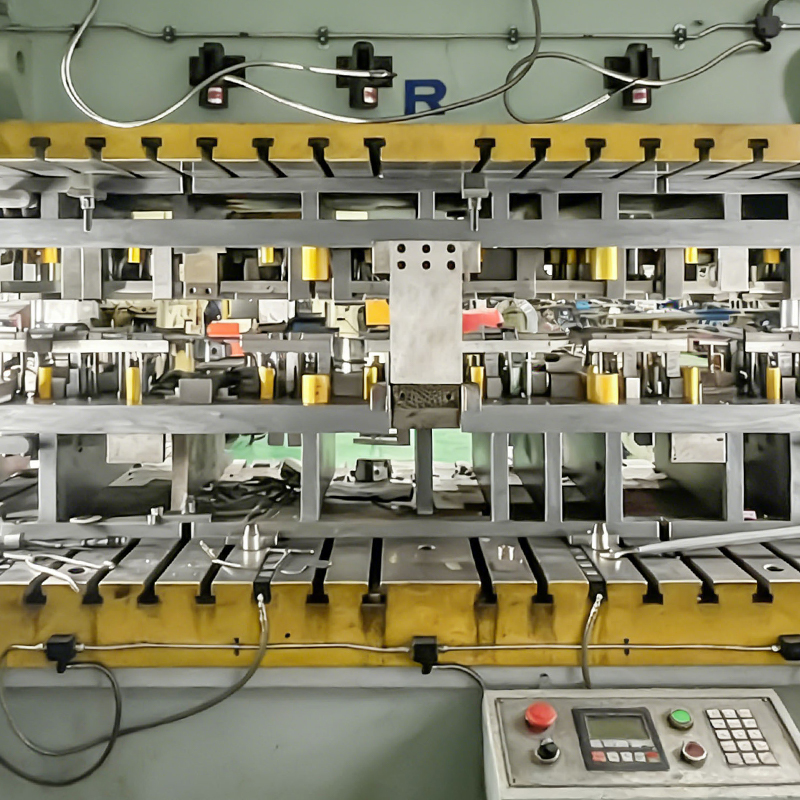 Progressive molds for automotive parts Suppliers, Custom Company - Suzhou ShuangShuangqisi is Progressive molds for automotive parts Suppliers and Company in China, Custom Progressive molds for automotive parts Design...View Product →
Where Stamped Parts Are Used in Modern Vehicles
Stampings appear in nearly every subsystem of a car or truck. While body panels get the most attention, hidden parts such as seat rails, motor shells, and busbars are equally important to vehicle performance.
Body panels & closures (35%)
Chassis & suspension (25%)
Powertrain & transmission (20%)
EV battery & electrical (12%)
Interior & mounting hardware (8%)
Among these, electric vehicle growth has increased demand for battery cover stamping parts and automotive motor housing stamping parts. Battery covers need deep drawing capability with tight flatness control to protect the cells, while motor housings require dimensional stability to prevent vibration and noise.
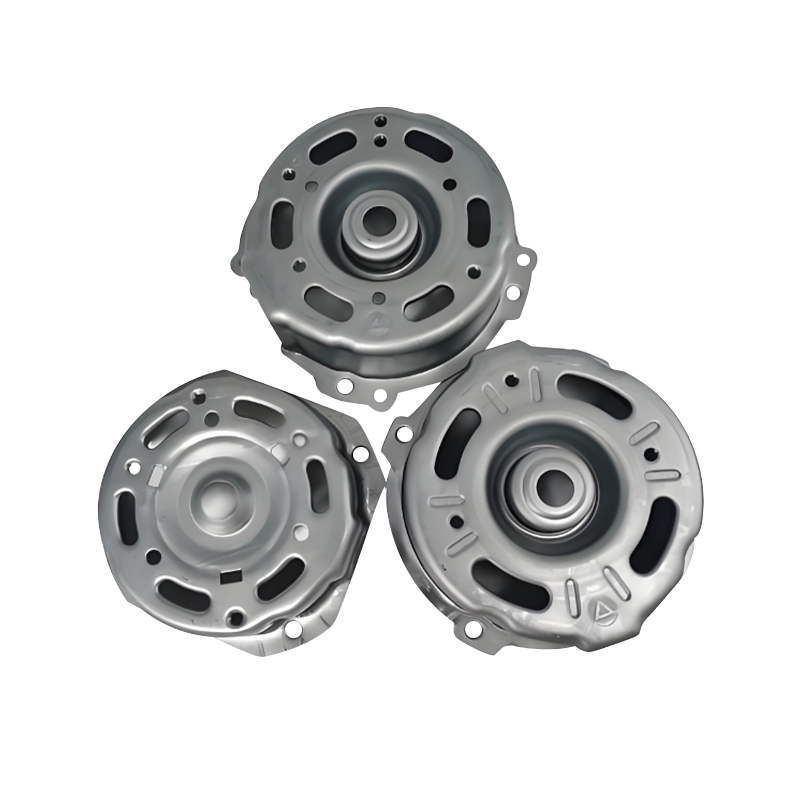 Automotive motor housing stamping parts Suppliers, Custom Company - Suzhou ShuanShuangqisi is Automotive motor housing stamping parts Suppliers and Company in China, Custom Automotive motor housing stamping parts Desi...View Product →
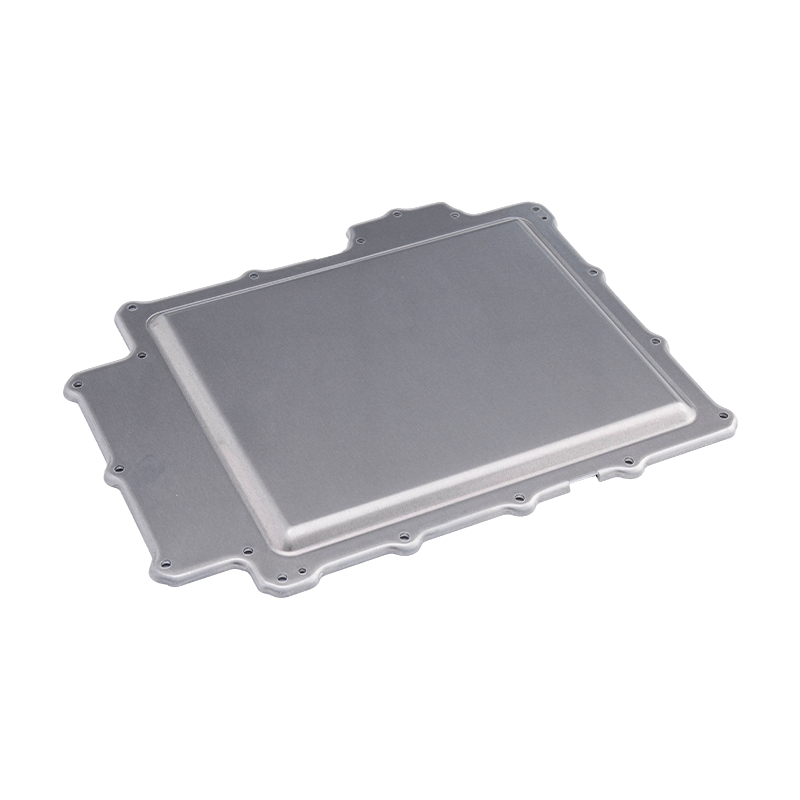 Battery cover stamping parts Suppliers, Custom Company - Suzhou Shuangqisi Mold Shuangqisi is Battery cover stamping parts Suppliers and Company in China, Custom Battery cover stamping parts Design & Manufacturing, Ou...View Product →
Hidden Metrics That Drive Tooling Decisions
Unit price is the metric everyone sees. The metrics that matter behind the scenes are tooling amortization, press uptime, and die wear.
Tooling cost is often 35–40% of the total cost over a program because dies require hard machining, heat treatment, and maintenance. Material cost depends on nesting efficiency. Press and labor are influenced by stroke rate and automation level. Inspection and rework appear small but can multiply when high-strength steel causes springback.
How to Choose a Metal Stamping Partner
A structured selection process reduces the risk of tooling redesigns and production delays. Here are five steps that align engineering and procurement.
Step 1 — Define requirements
Document part geometry, annual volume, material grade, tolerance, and surface finish.
Document part geometry, annual volume, material grade, tolerance, and surface finish.
Step 2 — Evaluate die engineering
Review DFM reports and CAE simulation for springback and thinning behavior.
Review DFM reports and CAE simulation for springback and thinning behavior.
Step 3 — Validate samples
Measure critical dimensions and perform fit checks in prototype assemblies.
Measure critical dimensions and perform fit checks in prototype assemblies.
Step 4 — Audit quality systems
Check IATF 16949 certification, in-process inspection, and SPC data.
Check IATF 16949 certification, in-process inspection, and SPC data.
Step 5 — Confirm automation integration
Verify that the supplier can deliver stamping automation equipment or a fully integrated line.
Verify that the supplier can deliver stamping automation equipment or a fully integrated line.
Look for a partner that combines mold design, stamping production, and automation under one roof, because this reduces interface risk and accelerates ramp-up.
Maintenance and Compliance Considerations
Automotive stamping production depends on disciplined die maintenance. A preventive schedule based on stroke count — for example, fine-blanking dies need re-sharpening every 50,000 to 100,000 strokes — prevents dimensional drift.
- Use tool steel grades matched to the material being stamped; AHSS accelerates die wear.
- Monitor burr height and part thickness near edge zones.
- Follow material traceability requirements from mill certificate to stamped part.
- Ensure stamping fluids and waste treatment meet local environmental rules.
Compliance with automotive quality standards such as IATF 16949 is a common expectation for tier suppliers, and PPAP documents are usually required for new parts.
Metal stamping for automotive is a mature yet evolving field. The shift to electric vehicles introduces new housing geometries and high-strength materials, while traditional body panels remain central to production volume. Supplier decisions made today will affect line efficiency and part quality for years to come. By focusing on technical depth, process data, and automation capability, you can turn stamping from a commodity purchase into a strategic advantage.
Previous Post
Metal Stamping Process: How Tooling, Die Design, and Automation Influence Part Cost
Next Post
Dual Sourcing Metal Stamping: Strategy, Tooling Alignment, and Supplier Selection
Our Products.
Start Your Business with an OEM Manufacturer Right Here!

Provide global customers with complete turn-key solutions
through
innovation!
QUICK LINKS
CONTACT INFO.
-
 +86-139 1308 8972
 -

-
 No. 118 Yexin Road, Wujiang Economic Development Zone, Suzhou, China
Copyright © Suzhou Shuangqisi Mold Equipment Co., Ltd. All Rights Reserved. Custom Stamping Die Metal Stamping Die Manufacturers
