 English
 Español
 Deutsch
-
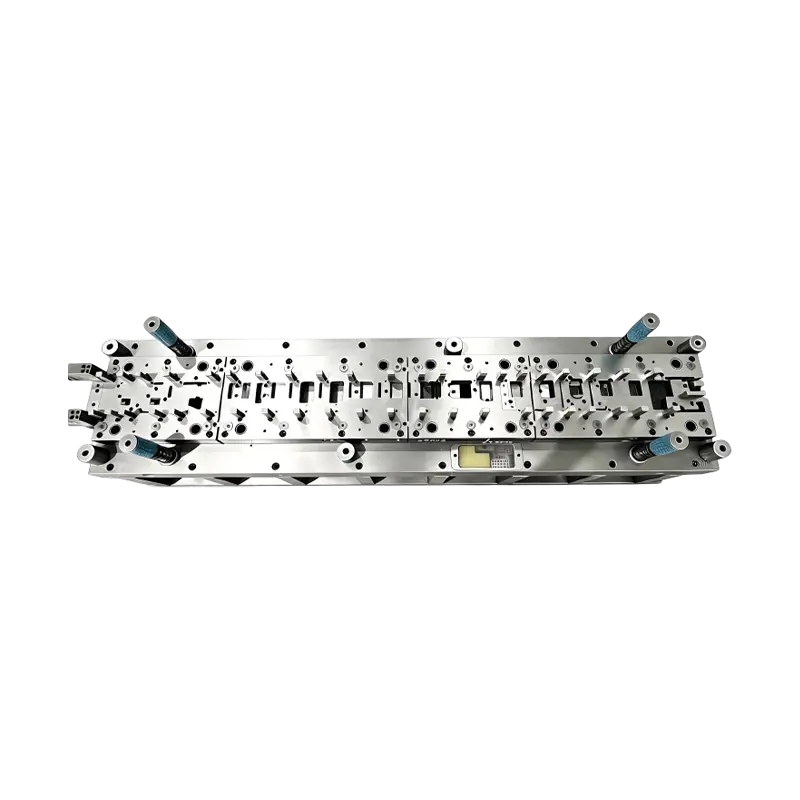
Long-Stroke Multi-Stage Progressive Die Automatic Strip Feed Progressive Die Long Travel Follow on Stamping Tool for Sheet Metal Hardware Press Moulding
Long-Stroke Multi-Stage Progressive DieOur custom ...
-
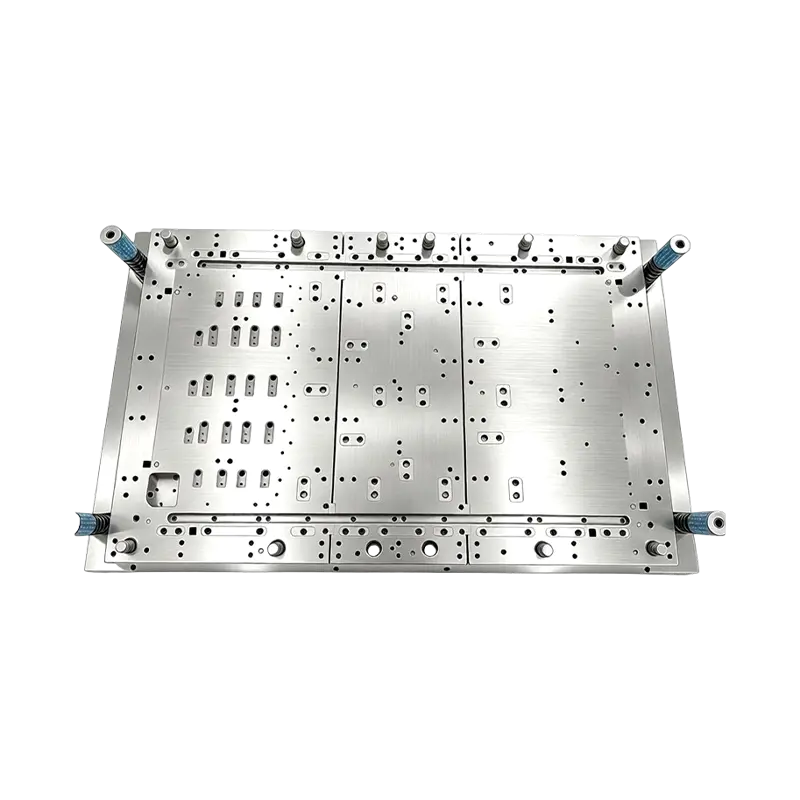
Multi-Station Progressive Stamping Die with Carbide Inserts Custom Multi Station Progressive Stamping Die Carbide Insert Metal Stamping Mold Tool for Equipment Appliances Device Hardware
High Speed Metal Stamping Tool for Precise Equipme...
-
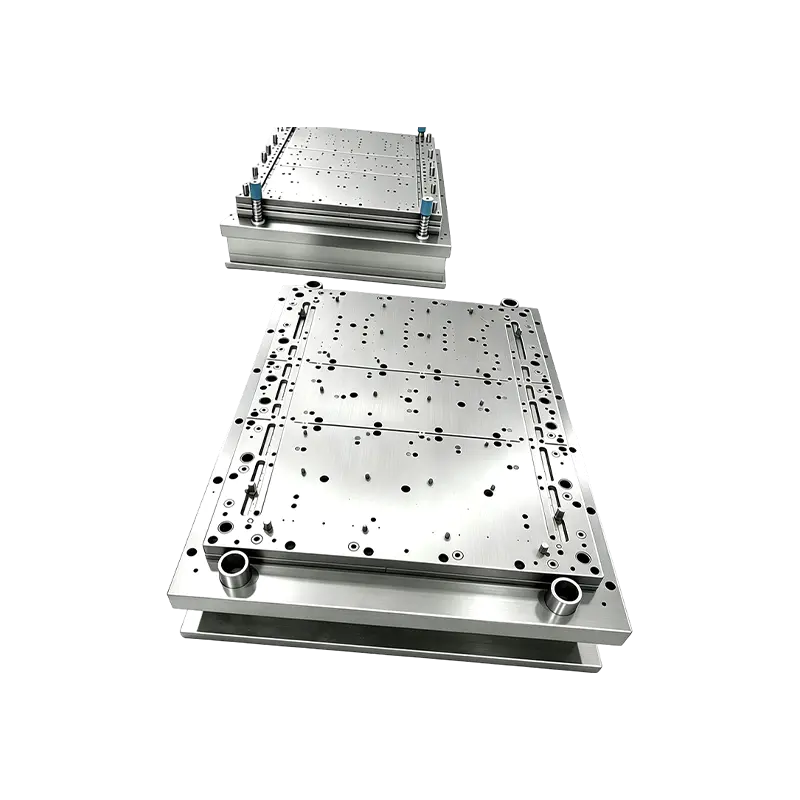
Progressive Stamping Die for Connector & Terminal Parts High Speed Progressive Stamping Die Precision Metal Hardware Stamping Tool mold for Connector Terminal Parts Automotive Components
Progressive Stamping Die for Connector & Termi...
-
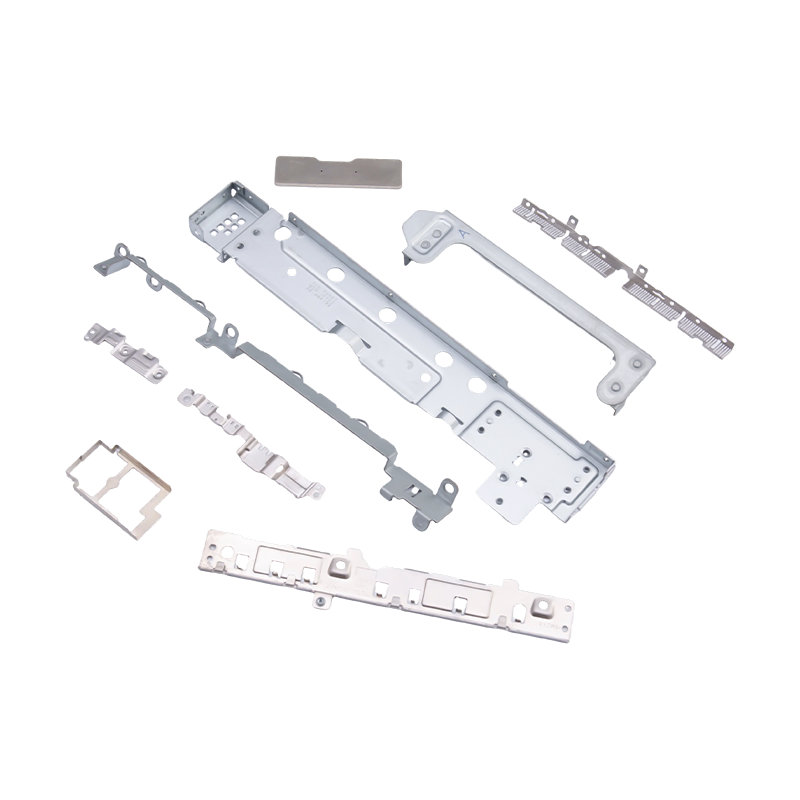
Small stamped parts for laptops and mobile phones
As essential internal components for modern portab...
-

Deep drawing mold for front and rear wheels of two-wheeled electric vehicles
This Deep drawing mold for front and rear wheels o...
- E-mail us: [email protected]
- Call us: +86-139 1308 8972

Industry News
Home / News / Industry News / Aluminum Stamping Suppliers: How to Evaluate Capability, Risk, and Fit
Aluminum Stamping Suppliers: How to Evaluate Capability, Risk, and Fit
2026-09-20
Content
- 1 Why Aluminum Stamping Suppliers Fail After the First Shipment
- 2 What Changes When You Stamp Aluminum Instead of Steel
- 3 Supplier Types Compared on the Metrics That Matter
- 4 The Hidden Costs That Show Up After Three Months
- 5 Where Aluminum Stamped Parts Are Used
- 6 A Five-Step Selection Process for Aluminum Stamping Suppliers
- 7 Maintenance and Compliance Checklist Before You Commit
Why Aluminum Stamping Suppliers Fail After the First Shipment
A stamped aluminum battery tray that passes prototype samples can still fail at 50,000 units if the supplier's die wear allowance was never modeled. The same is true for a copper busbar that meets conductivity specs but develops edge cracks after three regrinds. Aluminum behaves differently from steel: it tears, springs back, and gallops through die clearances. The best aluminum stamping suppliers are not simply those with the lowest price per kilogram. They control alloy temper, die maintenance, and the handoff to automation.
Core conclusion
Select aluminum stamping suppliers on four verified capabilities: (1) die design for the specific alloy and temper, (2) documented die maintenance and regrind records, (3) in-house or tightly controlled automation for progressive and transfer operations, and (4) a quality system that samples first-off and last-off parts. Price follows these four; it should not lead them.
What Changes When You Stamp Aluminum Instead of Steel
Aluminum stamping is not a drop-in replacement for steel stamping. The metal has roughly one-third the elastic modulus of steel, so springback is larger and less predictable. Its lower formability in certain tempers means deep drawing requires larger die radii, better lubrication, and sometimes intermediate annealing. The table below summarizes the practical differences that affect supplier selection.
Alloy and Temper
1100 and 3003 are soft and form easily but lack strength. 5052 offers a balance for brackets and enclosures. 6061-T6 is strong but cracks in tight bends unless you design for it. A capable supplier asks for the temper before quoting the die.
Die Clearance and Wear
Aluminum galls and builds up on die edges. Clearance must be 8–12% of thickness for many alloys, and dies need polished flutes, frequent regrinding, and sometimes carbide inserts. Suppliers that run steel dies on aluminum will produce slivers and tear-outs.
Automation Handoff
Progressive and transfer dies for aluminum need gentler feed systems, anti-galling lubricants, and scrap removal that does not scratch the surface. Automation that works for cold-rolled steel often needs retiming and softer grippers for aluminum.
If you are comparing progressive and transfer metal stamping, the aluminum factor changes the cycle time and die cost assumptions you should use.
Supplier Types Compared on the Metrics That Matter
Aluminum stamping suppliers fall into three broad operating models. The table below compares them on die ownership, alloy expertise, automation, and risk. The numbers are typical ranges from quoting and auditing stamped parts, not guarantees.
The Hidden Costs That Show Up After Three Months
Purchase price per part is visible. Die maintenance, scrap, and secondary operations are not. In a review of aluminum stamping projects, the following cost drivers typically appear after the first 90 days. The bars show their approximate share of unexpected cost overruns.
Die rework
35%
Scrap rate
25%
Regrind downtime
18%
Secondary ops
12%
Logistics
10%
Die rework and scrap are the largest hidden costs because aluminum tooling wears faster and process windows are narrower. A supplier that tracks die hits and regrind intervals can quote a realistic piece price. One that does not will recover those costs through change orders.
Where Aluminum Stamped Parts Are Used
Aluminum stamping demand is not uniform. The pie chart below shows a representative distribution of applications for a supplier serving automotive, electronics, and industrial customers. Electric vehicles and battery systems now drive the largest share.
- Automotive and EV (42%) — battery covers, motor housings, busbars, seat frames
- Electronics (26%) — laptop chassis, server racks, oven panels
- Industrial equipment (16%) — servo drive housings, compressor parts
- Appliances (10%) — small home appliance shells and brackets
- Other (6%) — specialty enclosures and hardware
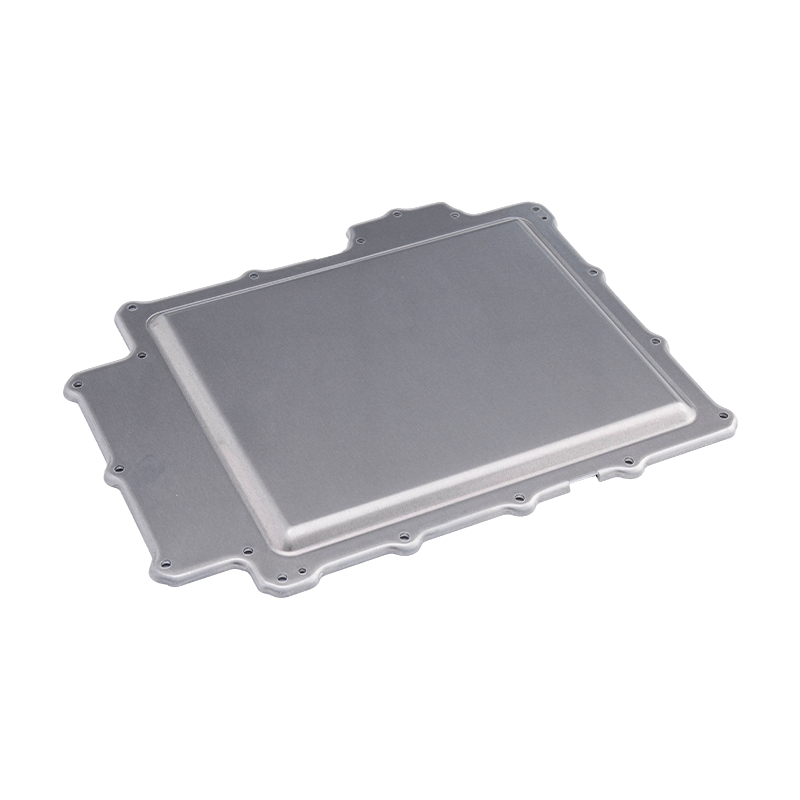 Battery cover stamping partsOur Battery cover stamping parts are precision-manufactured components designed for automotive, industrial, and energy storage battery enclosures. Crafted from high-qu...View Product →
Battery cover stamping is a good example of a part that looks simple but demands tight control of flatness, edge quality, and dimensional stability after forming. Suppliers that already produce these parts for EV programs understand the alloy and die requirements.
A Five-Step Selection Process for Aluminum Stamping Suppliers
Use this sequence to compare suppliers without getting lost in spreadsheets. Each step produces a document you can hold a supplier to.
Step 1
Define the alloy and tolerance stack
Write the temper, thickness, and critical dimensions. A 0.2 mm bend radius in 6061-T6 is a different process from the same radius in 5052-H32. Send the stack with the RFQ.
Step 2
Audit die maintenance records
Ask for regrind logs, hit counters, and scrap rates for similar aluminum jobs. A supplier that cannot show die life data is guessing at your piece price.
Step 3
Run a pilot with capability study
Require a 300-piece run with Cpk on the critical dimensions. Aluminum springback can shift the mean after the first few hundred hits. The pilot exposes that shift.
Step 4
Verify automation handoff
If the part runs on a progressive die for automotive parts, watch the feed, scrap removal, and part ejection. Aluminum scratches easily; the automation must handle it without cosmetic damage.
Step 5
Lock in a service agreement
Define regrind intervals, spare die inserts, and response time for die repairs. The lowest quote often excludes these, and they become the real cost.
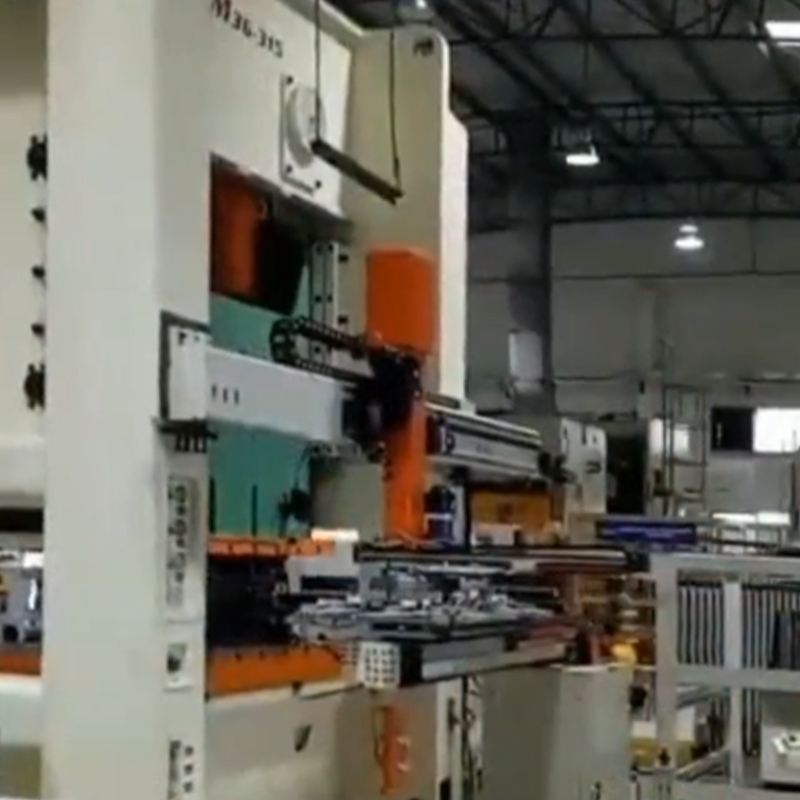
 Stamping Automation EquipmentSuzhou Shuangqisi Mold Equipment Co., Ltd., located at No. 118 Yexin Road, Wujiang District, Suzhou City, has 60 technical staff. Through the joint efforts and continu...View Product →
Automation is not an afterthought for aluminum. A dedicated stamping automation line can reduce handling damage and stabilize the process, but it must be specified for the alloy and part geometry.
Maintenance and Compliance Checklist Before You Commit
Aluminum stamping suppliers that serve automotive and electronics customers must meet traceability and materials compliance requirements. Use this checklist during the audit.
- Alloy traceability: mill certificates for each coil or blank, with heat numbers linked to production lots.
- Die maintenance schedule: documented regrind intervals based on hit count, not calendar time.
- RoHS and REACH: declarations for lubricants, coatings, and any secondary operations.
- IATF 16949 or ISO 9001: current certificates with scope covering aluminum stamping.
- Packaging and corrosion control: aluminum can oxidize or scratch in transit; specify interleaving and VCI where needed.
New energy vehicle copper busbar stamping partsNew energy vehicle copper busbar stamping parts are core conductive components engineered for high-voltage power transmission in electric vehicles. Made from high-puri...View Product →
Copper busbars and other conductivity-critical parts add another layer: they must meet electrical and thermal requirements while surviving the stamping process. An integrated supplier that understands both the die and the end use can close that gap. An integrated supplier that builds its own dies and automation has fewer handoff risks, but it also has more of your program under one roof. Visit the floor, review the regrind logs, and watch a die change. The evidence is there if you ask for it.
Previous Post
Copper Progressive Stamping: Alloys, Tolerances, Tooling and Cost Guide
Next Post
Aluminum Progressive Stamping: Process, Alloys, Design Tips & Cost Guide
Our Products.
Start Your Business with an OEM Manufacturer Right Here!

Provide global customers with complete turn-key solutions
through
innovation!
QUICK LINKS
CONTACT INFO.
-
 +86-139 1308 8972
 -

-
 No. 118 Yexin Road, Wujiang Economic Development Zone, Suzhou, China
Copyright © Suzhou Shuangqisi Mold Equipment Co., Ltd. All Rights Reserved. Custom Stamping Die Metal Stamping Die Manufacturers
